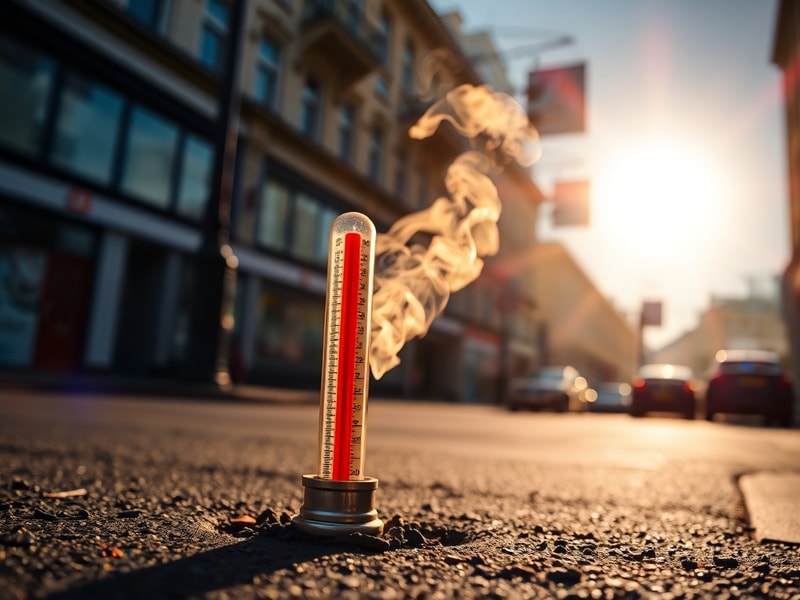
UK Braces for Record-Breaking Heat as Red Warnings Spread
The UK is facing an unprecedented weather event this week as the Met Office issues its first-ever red extreme heat warning for parts of England. Temperatures are expected to soar above 40°C in some areas, shattering previous records and posing severe risks to public health, infrastructure, and daily life. Emergency services, local authorities, and health officials have activated contingency plans to mitigate the impact of what meteorologists describe as a “once in a century” heatwave.
The warning covers large swathes of central and southern England, including London, Manchester, and Birmingham. Forecasters warn that the extreme heat could last for several days, with overnight temperatures remaining dangerously high. Public health experts have already raised concerns about vulnerable groups, including the elderly, children, and those with pre-existing medical conditions. Hospitals are preparing for an influx of heat-related illnesses, while train operators have announced reduced services to prevent track buckling—a common issue during prolonged high temperatures.
This event marks a dramatic shift in the UK’s relationship with extreme weather. Historically, the country has been ill-prepared for prolonged heat, with many homes, workplaces, and public transport systems designed for milder climates. The red warning signals a new era of climate adaptation, forcing authorities to confront the realities of a warming planet.
Why This Heatwave Is Different
While the UK has experienced heatwaves before, this one stands out for several reasons. First, the duration of the extreme heat is unusual. Most past heatwaves lasted a few days, but this system is expected to linger, increasing the risk of heat exhaustion and dehydration. Second, the geographic spread is vast, affecting millions across multiple regions simultaneously. Third, the intensity is record-breaking, with temperatures potentially exceeding the UK’s previous high of 38.7°C, set in Cambridge in 2019.
Climate scientists point to a combination of factors driving this event. A high-pressure system parked over the UK is trapping hot air, while a plume of exceptionally warm air from North Africa is being funneled northward. The jet stream’s unusual positioning is also contributing to the stagnant, hot conditions. These patterns are consistent with climate change projections, which predict more frequent and intense heatwaves in the UK as global temperatures rise.
Local authorities are taking drastic measures to prepare. In London, schools are considering early closures, while the capital’s transport authority has advised against non-essential travel. Emergency services are on high alert, with ambulance crews trained to respond to heat-related emergencies. Meanwhile, the NHS has issued guidance to hospitals to prioritize critical patients and expand cooling facilities.
Broader Implications: Infrastructure, Economy, and Climate Policy
The extreme heat is exposing critical weaknesses in the UK’s infrastructure. Roads are at risk of melting, rail tracks could buckle, and power grids may struggle under increased demand for air conditioning. The National Grid has warned of potential blackouts if demand surges beyond capacity. Businesses, particularly those in outdoor sectors like construction and tourism, are facing disruptions, with some sites forced to shut down during peak heat hours.
The economic impact could be substantial. A report from the London School of Economics estimates that heatwaves cost the UK economy hundreds of millions of pounds annually in lost productivity, healthcare costs, and infrastructure damage. This week’s event could push those figures even higher. The construction industry, already grappling with supply chain issues, may see further delays as workers face unsafe conditions. Meanwhile, the agriculture sector is bracing for crop losses, particularly in regions already affected by drought.
Beyond immediate economic concerns, the heatwave is reigniting debates about climate policy. Critics argue that the UK’s response remains reactive rather than proactive. While the Met Office’s warning system has improved, long-term strategies—such as retrofitting buildings for heat resilience or investing in renewable energy to reduce carbon emissions—have been slow to materialize. Environmental groups are seizing on the moment to call for stronger climate action, while politicians are under pressure to justify their records on climate resilience.
The event also highlights global inequities in climate adaptation. While wealthier nations like the UK can mobilize resources to respond to extreme weather, developing countries often bear the brunt of climate change with far fewer resources. This disparity underscores the need for international cooperation in addressing climate-related disasters.
How to Stay Safe During the Heatwave
Public health officials have issued urgent advice to help people stay safe during the extreme heat. Vulnerable individuals are particularly at risk, but everyone should take precautions. Here are key steps to minimize health risks:
- Stay hydrated. Drink plenty of water, even if you don’t feel thirsty. Avoid alcohol and caffeine, as they can dehydrate you.
- Keep cool. Close curtains during the day, open windows at night, and use fans or air conditioning if available. Avoid going outside during peak heat hours (11 AM to 3 PM).
- Check on others. Look out for elderly neighbors, young children, and those with chronic illnesses. Offer assistance if needed.
- Dress appropriately. Wear loose, light-colored clothing and a hat if you must go outside. Use sunscreen to protect your skin from harmful UV rays.
- Know the signs of heat exhaustion. Symptoms include dizziness, headache, nausea, and excessive sweating. If you or someone else experiences these, move to a cool place, hydrate, and seek medical help if symptoms worsen.
For those working outdoors or in non-air-conditioned environments, employers are advised to adjust schedules, provide shade, and ensure adequate hydration. Schools have been encouraged to modify outdoor activities, and sports events may be postponed or canceled. The message is clear: adapt or risk serious consequences.
Looking Ahead: A Hotter Future
This heatwave is a stark reminder that climate change is not a distant threat but a present reality. The UK’s experience this week could serve as a case study for other nations grappling with extreme weather. While the immediate focus is on survival and damage control, the longer-term challenge will be adapting to a hotter, more unpredictable climate.
Policymakers, urban planners, and businesses must rethink their strategies. Cities may need to invest in green spaces, reflective building materials, and heat-resistant infrastructure. Energy providers must ensure grids can handle increased demand without collapsing. And individuals must take personal responsibility for staying safe in an era of escalating temperatures.
The red heat warning is more than a weather alert—it’s a wake-up call. The UK, like much of the world, is entering uncharted territory. How the country responds will shape its resilience for decades to come.