What Makes Bellingham Washington’s Most Underrated Urban Gem
Tucked between the rugged peaks of the North Cascades and the calm waters of Bellingham Bay, Bellingham, Washington, often slips under the radar despite its natural beauty and vibrant community. With a population just shy of 95,000, this city offers a rare blend of outdoor adventure, progressive culture, and small-town charm—all within easy reach of major metropolitan areas like Seattle and Vancouver. Unlike its more tourist-heavy neighbors, Bellingham thrives quietly, attracting residents who value authenticity over hype. From its historic downtown to its thriving craft beer scene, Bellingham is a place where nature and urban life coexist effortlessly.
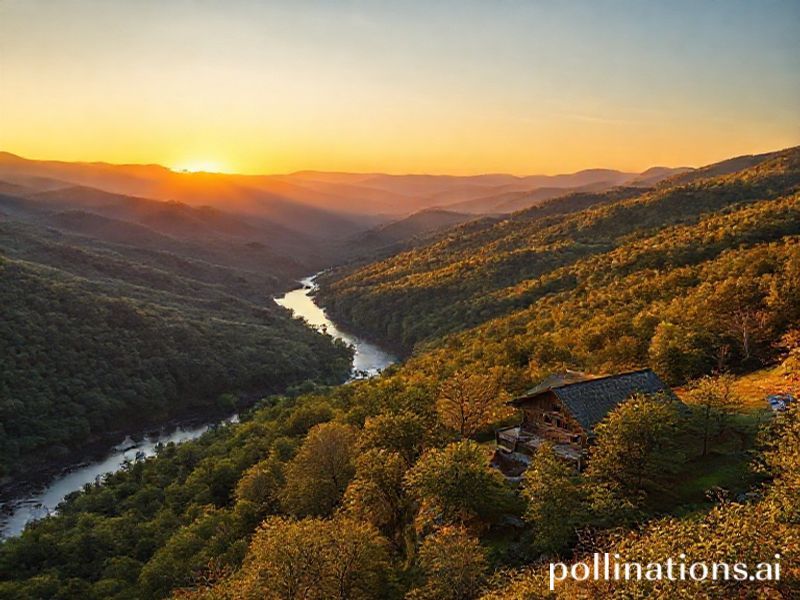
The city’s geography is one of its strongest assets. To the east, Mount Baker looms over the landscape, its snow-capped peak visible from nearly every corner of the city on clear days. To the west, the Salish Sea stretches toward the San Juan Islands, offering kayaking, sailing, and whale-watching opportunities. This proximity to both mountains and water makes Bellingham a haven for outdoor enthusiasts. Residents can hike through ancient forests in the Chuckanut Mountains, mountain bike on technical trails at Galbraith Mountain, or paddle through the calm waters of Lake Whatcom—all within 30 minutes of downtown. It’s a level of access that larger cities simply can’t match.
Yet Bellingham isn’t just a playground for adrenaline junkies. The city has cultivated a rich cultural scene that reflects its progressive values. Western Washington University, with its 16,000 students, injects youthful energy into the community, fostering a creative and intellectual atmosphere. The university’s presence is evident in the city’s arts and music scenes, from the historic Mount Baker Theatre to the eclectic galleries lining Railroad Avenue. Local artists, musicians, and performers find a welcoming stage here, contributing to a thriving DIY culture that feels both authentic and inclusive.
Exploring Bellingham’s Outdoor Playground
The allure of Bellingham’s natural landscapes is undeniable. For those who crave adventure, the city serves as a gateway to some of the Pacific Northwest’s most stunning destinations. The Chuckanut Mountains, part of the larger Cascade Range, offer over 40 miles of trails, including the popular Oyster Dome and Lost Lake routes. These hikes reward explorers with panoramic views of the San Juan Islands and, on rare occasions, the Olympic Mountains. The trails are well-maintained, but the terrain can be challenging, making them a favorite among serious hikers and trail runners.
Galbraith Mountain, located just north of downtown, is another outdoor hotspot, particularly for mountain bikers. The mountain’s 40+ miles of singletrack trails cater to all skill levels, from beginner-friendly loops to expert downhill runs. The Bellingham Mountain Bike Coalition has played a key role in developing and maintaining these trails, ensuring they remain sustainable and accessible. Beyond biking, Galbraith is also a prime spot for rock climbing, with routes like the iconic “The Priest” attracting climbers from across the region. The mountain’s open grasslands and forested areas provide habitat for deer, eagles, and other wildlife, adding to the sense of wildness that defines Bellingham’s surroundings.
For water lovers, Bellingham Bay offers a different kind of escape. The bay is part of the larger Salish Sea, a network of waterways that includes the Strait of Georgia and Puget Sound. Kayaking and paddleboarding are popular activities here, with rentals and guided tours available through local outfitters. The bay is also a prime spot for whale watching, particularly during the spring and fall migrations when orcas and gray whales pass through the area. The Whatcom Museum’s rotating exhibits often highlight local marine life, offering educational opportunities for visitors and residents alike. Whether you’re paddling at sunrise or watching the sunset over the water, Bellingham’s aquatic playground is a constant source of wonder.
Even in the colder months, Bellingham’s outdoor appeal doesn’t fade. Mount Baker Ski Area, located about an hour east of the city, is a world-class destination for skiers and snowboarders. With over 1,000 acres of terrain and an average annual snowfall of 400 inches, it’s one of the snowiest places in the state. The resort also offers snowshoeing, tubing, and Nordic skiing, making it a versatile winter playground. For those who prefer to stay closer to home, the city maintains several parks and trails that remain accessible year-round, such as the Interurban Trail, a paved path that connects downtown to the surrounding neighborhoods.
A City That Puts Community First
Bellingham’s charm lies in its people as much as its landscapes. The city has a long history of activism and grassroots organizing, dating back to the 1970s when local residents successfully fought to block a proposed oil refinery that threatened the bay. Today, that spirit of environmental and social responsibility is woven into the fabric of the community. Organizations like the RE Sources for Sustainable Communities and the Bellingham Food Bank work tirelessly to address issues like climate change, food insecurity, and affordable housing. These efforts have earned Bellingham a reputation as one of the most progressive cities in Washington state.
The local food scene is another reflection of Bellingham’s community-driven values. The Bellingham Farmers Market, open year-round on Saturdays, is one of the largest in the state, featuring over 200 vendors selling everything from organic produce to handmade crafts. The market is a hub for local farmers, artisans, and food producers, many of whom prioritize sustainability and ethical practices. Nearby, restaurants like The Local Teriyaki and Home Skillet serve up comfort food made with ingredients sourced from within a 100-mile radius. Even the city’s coffee culture thrives on local partnerships, with cafes like Woods Coffee and Camber roasting beans from nearby roasters such as Caffe Vita and Olympia Coffee Roasting.
Bellingham’s commitment to sustainability extends beyond food. The city has been a leader in renewable energy initiatives, with over 40% of its electricity coming from renewable sources. The Bellingham Public Library, a LEED-certified building, is a model of energy efficiency, featuring solar panels, rainwater harvesting, and natural ventilation systems. Public transit is also a priority, with Whatcom Transportation Authority (WTA) buses serving the city and surrounding areas. The WTA’s Zero Emissions Fleet Initiative aims to transition the entire bus fleet to electric vehicles by 2030, further reducing the city’s carbon footprint.
Despite its progressive leanings, Bellingham maintains a down-to-earth, welcoming atmosphere. Unlike larger cities where anonymity is the norm, Bellingham’s residents often know their neighbors by name. This sense of community is perhaps most evident during the annual Ski to Sea race, a grueling 90-mile relay that tests participants’ endurance across skiing, biking, running, canoeing, and kayaking segments. The event, which dates back to 1973, draws thousands of spectators and participants each year, embodying the city’s love for outdoor adventure and camaraderie.
Why Bellingham Is the Perfect Place to Call Home
For those considering a move, Bellingham offers a quality of life that’s hard to beat. The cost of living is lower than in Seattle or Portland, though housing prices have risen in recent years due to increased demand. Still, compared to other major cities in the Pacific Northwest, Bellingham remains relatively affordable. The median home price hovers around $550,000, while rent for a one-bedroom apartment averages $1,500 per month. Despite these costs, many residents find the trade-off worthwhile for the access to nature, cultural amenities, and strong sense of community.
The job market in Bellingham is diverse, with key industries including education (thanks to Western Washington University), healthcare, manufacturing, and tourism. The city is home to several major employers, such as PeaceHealth St. Joseph Medical Center, Alcoa Intalco Works, and the Bellingham School District. Remote work is also on the rise, with many professionals choosing to live in Bellingham while working for companies based elsewhere. The city’s fiber-optic network, one of the fastest in the state, ensures reliable internet access for those who need it.
Education is another area where Bellingham shines. The Bellingham Public Schools district is consistently ranked among the top in the state, with a strong emphasis on STEM programs, arts education, and college readiness. Western Washington University is a major draw for students, offering over 160 academic programs and a vibrant campus life. The university’s commitment to sustainability is evident in its LEED-certified buildings, organic farm, and zero-waste initiatives. For families or individuals looking to further their education, Bellingham provides ample opportunities without the overwhelming size of larger university towns.
Perhaps the most compelling reason to consider Bellingham is the lifestyle it offers. Residents enjoy a rare balance between urban amenities and natural beauty. You can spend your morning hiking in the mountains, your afternoon exploring local art galleries, and your evening enjoying a craft beer at one of the city’s many breweries. The pace of life is relaxed but never dull, with a calendar full of festivals, markets, and community events. Whether you’re a young professional, a retiree, or a family looking for a better place to raise kids, Bellingham has something to offer.
The Challenges and Opportunities Ahead
Of course, Bellingham isn’t without its challenges. Like many cities in the Pacific Northwest, it faces issues like housing affordability, traffic congestion, and the need for more diverse economic opportunities. The influx of remote workers and tech professionals has driven up housing costs, pricing out some long-time residents. Local leaders are exploring solutions, such as incentivizing affordable housing developments and expanding public transit, but the road ahead is complex. Additionally, climate change poses a growing threat to the region, with increased wildfire risk and changing weather patterns affecting both the environment and the economy.
Yet these challenges also present opportunities for growth and innovation. Bellingham’s commitment to sustainability positions it well to tackle climate change head-on. The city’s Climate Action Plan, adopted in 2007, outlines ambitious goals for reducing greenhouse gas emissions, increasing energy efficiency, and promoting green transportation. Local businesses and organizations are stepping up as well, with initiatives like the Bellingham Zero Waste Initiative and the Whatcom County Climate Impact Project working to create a more resilient future. These efforts not only benefit the environment but also strengthen the community’s sense of purpose and collaboration.
Another area of opportunity lies in Bellingham’s role as a regional hub. With its proximity to Canada—just 60 miles north of Vancouver—and its connections to Seattle via Interstate 5, Bellingham is strategically positioned to attract investment and talent. The city’s international airport offers direct flights to major West Coast hubs, making it easier for businesses to operate locally. Meanwhile, the growing demand for remote work and outdoor recreation is drawing new residents who prioritize quality of life over urban density. If Bellingham can leverage these advantages while addressing its challenges, it has the potential to become a model for sustainable, community-focused urban living.
Final Thoughts: Bellingham’s Quiet Revolution
Bellingham may not have the name recognition of Seattle or Portland, but it offers something those cities often lack: a genuine sense of balance. Here, you can live close to nature without sacrificing access to culture, education, and community. You can enjoy the benefits of a mid-sized city without the overwhelming crowds or high costs. And perhaps most importantly, you can be part of a community that values sustainability, creativity, and connection.
In a region often defined by its extremes—think of the hustle of Seattle or the tourist crowds of the San Juans—Bellingham stands out as a place that gets it right. It’s a city that works for its residents, not the other way around. Whether you’re drawn by the outdoor adventures, the vibrant culture, or the strong sense of community, Bellingham has a way of making you feel at home. And in today’s fast-paced world, that’s no small feat.