Widows Bay: From Coastal Tragedy to Global Resilience Story
Widows Bay isn’t just a place on a map—it’s a whisper of history, a cautionary tale, and a cultural touchstone that echoes across oceans and centuries. From the jagged cliffs of Scotland’s northern coast to the storm-lashed shores of Newfoundland, stories of Widows Bay have spread through sailors’ yarns, local folklore, and even modern media. The name alone carries weight: it evokes loss, resilience, and the unpredictable fury of the sea.
The Many Faces of Widows Bay
The phrase “Widows Bay” appears in different forms across the globe, tied to geography, tragedy, and legend. In the United Kingdom, particularly in Scotland and Ireland, it’s often linked to coastal villages where fishing was the lifeblood—and the killer. The cliffs of Caithness and the storm-wracked shores of Donegal have seen countless men lost to the sea, leaving behind wives and families whose grief became immortalized in local names. In Canada, especially Newfoundland, Widows Bay is a haunting reference to communities hollowed out by the cod moratorium of the 1990s, when the collapse of the fishing industry forced men to leave home for work, never to return.
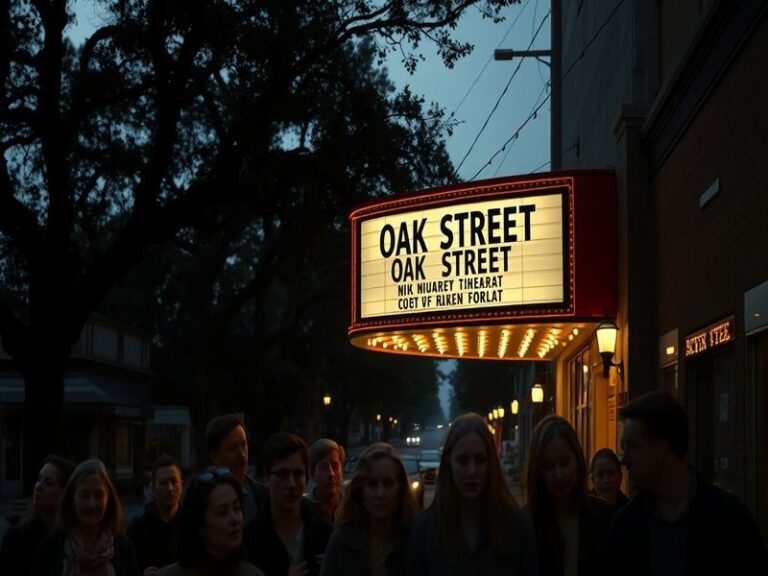
But Widows Bay isn’t just a historical marker. It’s also a name that has crept into popular culture. The 2021 psychological horror film Widows Bay reimagined the concept as a fictional coastal town haunted by a vengeful spirit tied to the sea. The film used the name to tap into deeper anxieties: isolation, betrayal, and the ghosts of decisions made in desperation. It’s a reminder that Widows Bay isn’t just about geography—it’s about emotion, memory, and the stories we tell to make sense of loss.
The Sea as Both Provider and Predator
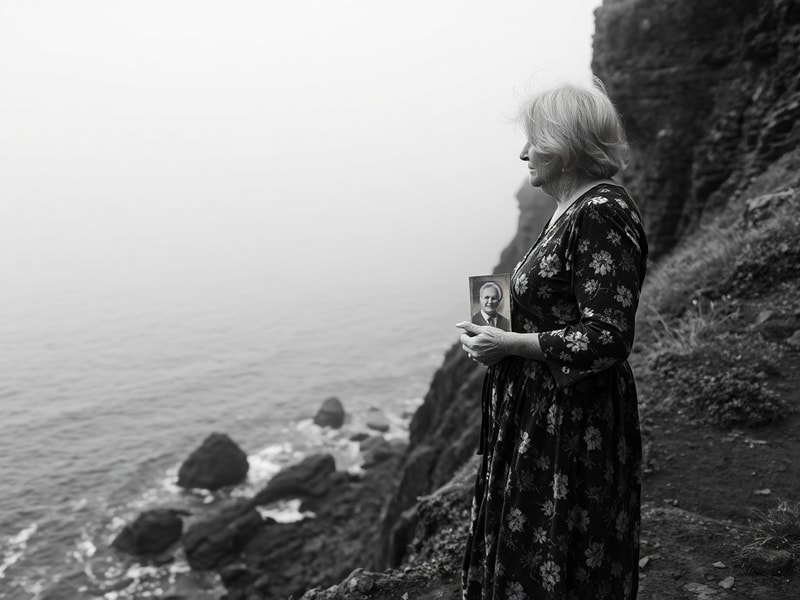
To understand Widows Bay, you must understand the sea’s dual role. For centuries, coastal communities depended on fishing—not just for income, but for identity. A man’s worth was measured in cod, in herring, in the size of the catch he brought home. But the sea didn’t care about worth. It claimed lives in storms, in capsized boats, in silent drownings that left no trace. Wives waited by windows, scanning the horizon for a sail that never came. Children grew up with stories of fathers lost to the deep, their names carved into memorial stones in churchyards.
This cycle wasn’t unique to one region. In Kerala, India, fishing villages like Neendakara and Sakthikulangara have their own versions of Widows Bay—places where widows outnumber married women, where the rhythm of life is dictated by tides and tragedies. According to local records, over 1,200 fishermen have gone missing in the Arabian Sea since 2010, their boats swallowed by monsoon waves. The women left behind—often illiterate and unskilled—form cooperatives to sell fish or stitch nets, turning grief into grit.
The emotional toll is staggering. In a study published by the Journal of Coastal Studies, researchers found that widows in fishing communities experience higher rates of depression and PTSD, not just from loss, but from the economic instability that follows. Many are forced to take on dangerous jobs like deep-sea diving to collect shells or seaweed, risking their own lives to feed their families. The sea, once a provider, becomes a relentless reaper.
From Folklore to Film: How Widows Bay Entered the Cultural Lexicon
The power of Widows Bay lies in its ability to transcend its origins. It’s a name that has been co-opted, reimagined, and weaponized in storytelling. In literature, it appears in the works of Scottish writers like Neil Gunn, whose novel The Silver Darlings explores the impact of clearances and fishing on coastal communities. In music, it’s echoed in the ballads of Newfoundland, where singers like Ron Hynes immortalized the plight of widows in songs like The Last Trip Home.
Modern media has amplified its reach. The 2021 horror film Widows Bay, directed by Darren Lynn Bousman, took the concept into supernatural territory, but its roots were undeniable. The film’s protagonist, a grieving widow played by Emelia Hartford, returns to a fictional coastal town where the sea’s victims refuse to stay buried. The movie’s setting—a town called Widows Bay—is a character in itself, a place where the past isn’t just remembered; it’s alive.
But the most compelling adaptations of Widows Bay aren’t fictional. They’re the real-life stories of women who’ve turned their grief into action. In Tamil Nadu, India, a group of widows formed the “Thoothukudi Fisherwomen’s Collective,” pooling resources to buy boats and train other women in navigation. In Maine, USA, the “Widows at the Helm” program offers mental health support and financial literacy to women who’ve lost partners to commercial fishing accidents. These initiatives prove that Widows Bay isn’t just a place of sorrow—it’s a rallying cry.
The Global Widows Bay: A Shared Struggle
What connects these disparate places—Scotland’s cliffs, Newfoundland’s coves, India’s backwaters, America’s docks—is the shared experience of loss and resilience. Widows Bay is a global phenomenon, not because the name is used universally, but because the story it represents is universal.
Consider this: according to the World Bank, over 90% of the world’s 50 million small-scale fishermen are men, and the majority of their families live in poverty. When a fisherman dies, his widow often inherits nothing—no boat, no gear, no income. Cultural norms dictate that she remarry or rely on charity. But in places like Zanzibar, Tanzania, organizations like “Community For Coastal Women” are challenging these norms. They provide microloans to widows to start seaweed farming businesses, a sustainable alternative to fishing that doesn’t risk lives.
Here’s a snapshot of Widows Bay around the world:
- Scotland (Caithness and Sutherland): Over 20 coastal villages have memorials dedicated to fishermen lost at sea. The “Lifeboat Widows” support network helps women navigate grief and bureaucracy.
- Newfoundland, Canada: The cod moratorium of 1992 left 30,000 people unemployed, with widows making up a significant portion. Today, initiatives like the “Women in Resource Development Corporation” train widows in trades like welding and carpentry.
- Kerala, India: The “Fishermen’s Widows Welfare Scheme” provides pensions and vocational training. In 2022, over 5,000 widows received support to start small businesses.
- Maine, USA: The “Maine Fishermen’s Wives Association” lobbies for better safety regulations and mental health resources. They’ve successfully pushed for mandatory safety training and improved life rafts on fishing boats.
These efforts show that Widows Bay isn’t just a place on a map—it’s a state of being. It’s the village where the sea took too much, the town where grief became fuel, the community where widows refused to be invisible.
The Future of Widows Bay: Can the Cycle Be Broken?
The question now is whether the Widows Bay narrative can evolve from one of loss to one of empowerment. Technology offers a glimmer of hope. In Vietnam, the “Women in Fisheries Network” uses mobile apps to connect widows with buyers, cutting out middlemen who exploit their vulnerability. In the Philippines, solar-powered desalination plants provide clean water to coastal villages, reducing the need for women to travel long distances to collect water—a task that often puts them at risk of harassment.
But technology alone isn’t enough. Structural change is needed. Governments must enforce safety regulations on fishing boats, provide life insurance to fishermen, and invest in alternative livelihoods. In Bangladesh, the “Safe Migration Project” trains fishermen in safer techniques and connects them with insurance schemes. Since its launch in 2018, the project has reduced fatalities by 40%.
Culturally, the shift is slower. In many communities, widows are still seen as burdens rather than assets. But grassroots movements are chipping away at these norms. In Ghana, the “Widows Empowerment Initiative” runs workshops on financial literacy and leadership, teaching widows to advocate for themselves in local government. In Sri Lanka, widows in fishing villages have formed cooperatives to sell dried fish and seafood online, bypassing exploitative traders.
The path forward isn’t easy. The sea will always be dangerous. But the story of Widows Bay doesn’t have to end in tragedy. It can end in transformation. It can be a story of women who turned their grief into action, who built boats instead of waiting for them to return, who turned the tide on poverty and despair.
Widows Bay may start as a place name, but it ends as a testament to human resilience. It’s a reminder that even in the darkest corners of the world, light can be found—not in the absence of loss, but in the courage to rise from it.