Lionel Richie’s Enduring Influence on Pop and R&B Music
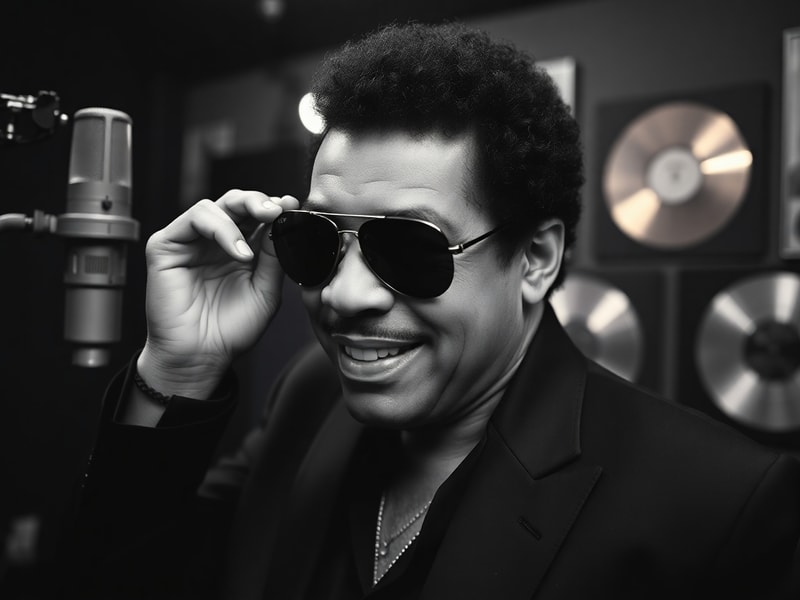
Lionel Richie’s career spans five decades, yet his music remains timeless. From Motown roots to solo superstardom, Richie crafted anthems that defined generations. His voice—smooth yet soulful—carried hits like “Hello” and “All Night Long” into living rooms worldwide. Even today, his influence echoes in pop, R&B, and even hip-hop samples. Richie isn’t just a relic of the past; he’s a living archive of musical evolution.
The Early Years: Motown and the Commodores
Born in Tuskegee, Alabama, in 1949, Lionel Richie grew up in a musical family. His mother was a church choir director, and his father worked in the U.S. Army. After studying economics at Tuskegee Institute, Richie joined The Commodores in 1968. The band, initially a funk group, found mainstream success with Richie as lead vocalist and saxophonist. Hits like “Brick House” and “Three Times a Lady” showcased his knack for melody and heartfelt lyrics.
The Commodores’ crossover appeal bridged soul and pop, but Richie’s solo ambitions soon took center stage. His departure in the early 1980s marked a turning point—not just for him, but for the music industry. The Commodores’ legacy endures, but Richie’s solo work redefined what it meant to be a black artist in pop music. He brought vulnerability to lyrics about love and longing, a rarity for Black male artists at the time.
Solo Stardom: Defining the 1980s Pop Landscape
Richie’s 1982 self-titled debut album launched him as a solo star. “Truly” became his first No. 1 hit, blending R&B with pop sensibilities. But it was 1983’s “Can’t Slow Down” that cemented his place in music history. The album sold over 20 million copies worldwide, winning two Grammys and an Album of the Year award. Songs like “All Night Long (All Night)” fused Caribbean rhythms with American pop, while “Hello” delivered a ballad so emotive it became a cultural touchstone.
Richie’s success wasn’t accidental. He understood the power of crossover appeal before it became a buzzword. His collaborations with artists like Michael Jackson on “We Are the World” (1985) demonstrated his ability to unite genres and causes. Richie’s music transcended racial and cultural barriers, making him one of the first Black artists to achieve sustained mainstream pop dominance.
Critics often dismiss the 1980s as a decade of excess, but Richie’s work proved that pop could be both sophisticated and accessible. His lyrics avoided clichés, focusing instead on universal emotions. This approach influenced later artists, from Bruno Mars to Ed Sheeran, who cite Richie as a key inspiration.
The Cultural Impact: More Than Just Hits
Richie’s influence extends beyond chart-toppers. He shaped how Black artists navigated the pop landscape, proving that authenticity could coexist with commercial success. His fashion—think tuxedos and bold colors—became iconic, mirroring his music’s blend of elegance and energy. Even his occasional forays into film, like his 1977 role in Scott Joplin, highlighted his versatility.
Richie’s philanthropy also left a mark. His work with the United Negro College Fund and AIDS awareness campaigns reflected a commitment to social responsibility. In an industry often criticized for its shallowness, Richie stood out as an artist who cared about more than just fame.
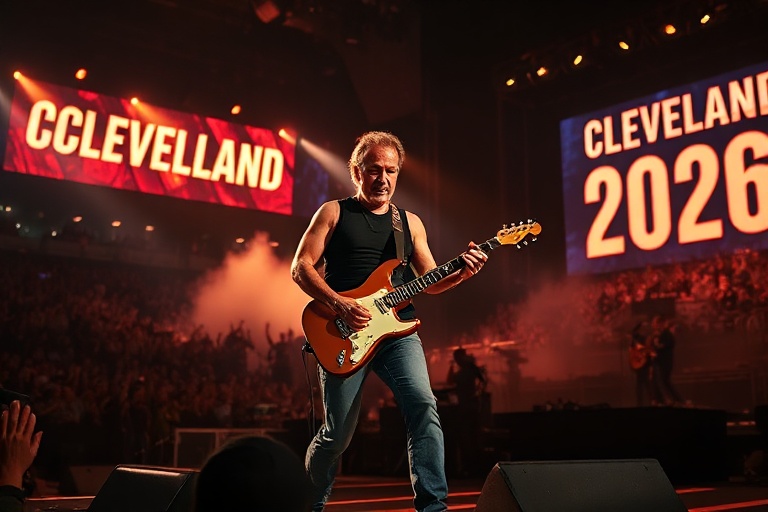
Today, Richie’s relevance persists. In 2023, he headlined the Glastonbury Festival, proving his appeal to new generations. His 2024 album, Tuskegee Reimagined, reworked his classic hits with modern artists like Thomas Rhett and Blake Shelton. This album wasn’t just nostalgia; it was a dialogue between eras, showing how Richie’s music continues to evolve.
Legacy and Future: Why Richie Still Matters
Lionel Richie’s career offers lessons for modern musicians. His ability to adapt without compromising his core sound is rare. While trends come and go, Richie’s music remains a constant—a reminder that great art transcends time. His influence is visible in today’s pop landscape, from the soulful vocals of H.E.R. to the genre-blending of Bruno Mars.
Richie’s legacy also challenges the myth that Black artists must choose between authenticity and commercial success. He proved that pop music could be both profitable and profound. This balance is something many contemporary artists still struggle to achieve.
Looking ahead, Richie shows no signs of slowing down. Whether through new music, tours, or collaborations, he remains a vital force in music. His story is one of persistence, innovation, and staying true to oneself—qualities that resonate far beyond the music industry.
For those discovering Richie for the first time, his discography is a treasure trove. Start with Can’t Slow Down, then explore his early Commodores work. Each album tells a story of growth, experimentation, and emotional depth.
Lionel Richie isn’t just a relic of the past; he’s a testament to the enduring power of music. His work reminds us that true artistry isn’t about chasing trends—it’s about creating something timeless.
- Explore more music history and artist profiles in our Entertainment section.
- Dive into cultural analysis and music’s broader impact on our Culture page.
Lionel Richie’s story is far from over. As long as his music is played, his legacy will continue to inspire.