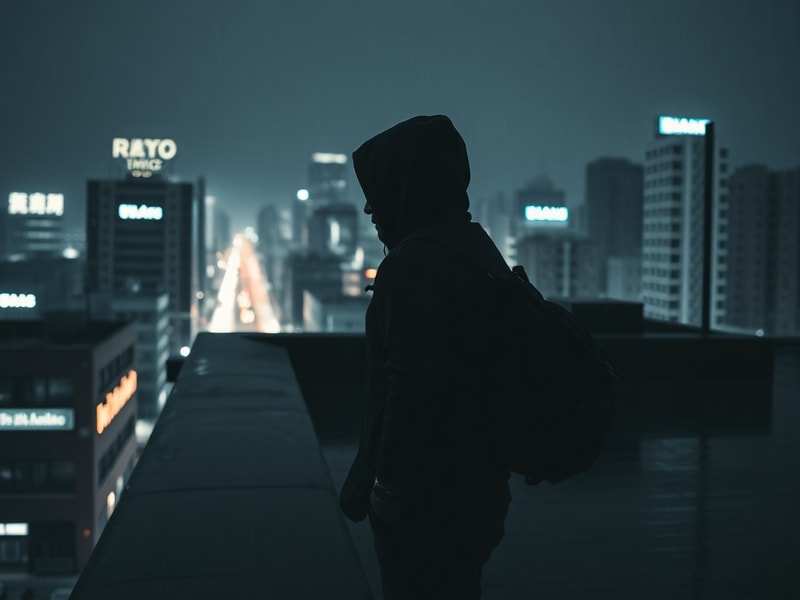
The concept of the citizen vigilante has long been romanticized in fiction, from Batman patrolling Gotham’s rooftops to vigilantes like the Punisher dispensing rough justice. Yet in reality, the line between neighborhood protector and lawless enforcer blurs dangerously. As communities grow more frustrated with slow legal processes and under-resourced police forces, some individuals are taking matters into their own hands—often with unintended consequences.
The rise of the modern vigilante
Across the United States and beyond, citizen-led “safety patrols” and anonymous tipsters have emerged in response to rising crime rates and public distrust in law enforcement. In some neighborhoods, residents organize nightly patrols, armed with flashlights and smartphones, documenting suspicious activity and sharing footage on local Facebook groups or Nextdoor. Others take a more aggressive stance, confronting suspected criminals in real time or posting identifying information online, a practice known as “doxxing.”
This trend isn’t limited to the U.S. In Brazil, groups like the “Justiceiros” have operated for decades, patrolling favelas and meting out punishment to suspected criminals. In the Philippines, President Rodrigo Duterte’s controversial anti-drug campaign was fueled in part by citizen vigilantes who reported neighbors to authorities. While some actions may reduce crime in the short term, they often undermine due process and escalate violence.
What’s driving this shift? A 2023 Pew Research study found that 60% of Americans believe local police are understaffed, and 45% say their neighborhood has become less safe in the past five years. When institutions fail to deliver justice, individuals—especially those with a strong sense of moral duty—step in. But vigilantism rarely delivers the justice it promises.
Where vigilantism goes wrong
While the motives may be noble, the outcomes are often chaotic. One of the most common issues is misidentification. In 2022, a Black teenager in Georgia was falsely accused by neighbors of breaking into cars—only for police to later confirm he was innocent. The incident was caught on camera, but the damage was done. False accusations can ruin lives, and once a rumor spreads online, it’s nearly impossible to erase.
Another concern is escalation. In 2021, a group of armed citizens in Kenosha, Wisconsin, formed a “self-defense patrol” during protests following the police shooting of Jacob Blake. When a 17-year-old participant allegedly shot and killed two protesters, the group’s presence was scrutinized as a catalyst for violence. Vigilantes often believe they’re preventing harm, but their presence can provoke confrontation rather than de-escalate it.
Legal repercussions are another major risk. Vigilantes who detain or assault suspects can face charges of kidnapping, assault, or even murder. Even those who film incidents can be held liable if their footage leads to vigilante action. In 2020, a man in Florida was arrested for impersonating a police officer while patrolling his neighborhood. He had no authority but acted with the confidence of someone who believed he was above the law.
Yet despite these dangers, vigilantism persists because it fills a void. When people feel abandoned by the system, they create their own rules. The question is: at what cost?
Can vigilantism ever be justified?
Philosophers have debated vigilantism for centuries. Some argue it’s a form of civil disobedience, a necessary response to systemic failure. Others see it as a slippery slope toward anarchy. The key distinction lies in intent and proportionality. A vigilante who monitors a neighborhood and alerts authorities is far less dangerous than one who takes justice into their own hands.
There are rare cases where vigilante action has led to positive change. In 2018, a group of citizens in Baltimore formed the “Red Line Riders” to document police misconduct during protests. Their footage was used in legal cases against officers, contributing to accountability. Similarly, in South Africa, the “Witchcraft Stopper” movement has exposed corrupt officials by gathering evidence of bribery and abuse. These examples show that citizen oversight can be effective—when it’s transparent and accountable.
But for every success story, there are countless failures. Vigilantism thrives in environments of fear and distrust. The real solution lies not in empowering individuals to take the law into their own hands, but in strengthening institutions so that justice is swift, fair, and accessible to all.
What’s next for citizen justice?
The future of vigilantism will likely be shaped by technology. Apps like Citizen and Neighbors already allow users to broadcast emergencies in real time, sometimes drawing armed responders to scenes before police arrive. While these tools can save lives, they also risk turning every neighborhood into a potential battleground. Cities are grappling with how to regulate these platforms without infringing on free speech or privacy.
Meanwhile, community policing initiatives are gaining traction. Programs like the Cure Violence model, which treats violence as a public health issue rather than a criminal one, have shown promise in reducing crime without resorting to vigilante tactics. These approaches focus on intervention and prevention, addressing root causes like poverty and trauma rather than punishing symptoms.
Ultimately, the rise of citizen vigilantes reflects a deeper crisis of faith in authority. Until institutions can rebuild trust, the cycle of vigilantism will continue—each act of “justice” breeding more fear, more retaliation, and more chaos.
For those considering taking the law into their own hands, the message is clear: vigilantism is not justice. It’s a symptom of failure. And until that failure is addressed, the streets will remain a battleground—not between good and evil, but between order and anarchy.
- Read more on vigilante trends in our News section
- Explore how vigilantism shapes culture in our Culture category
What do you think? Is vigilantism ever justified, or does it always do more harm than good? Share your perspective in the comments—we’re listening.