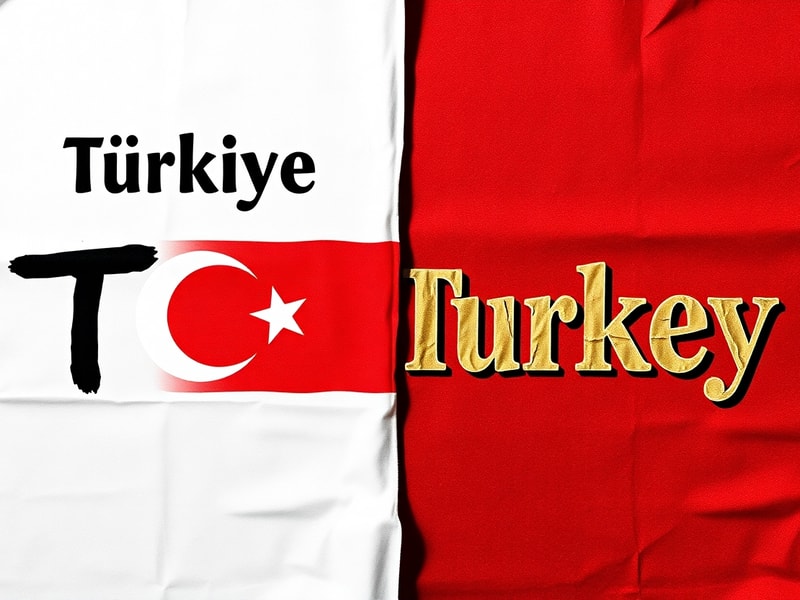
Why the Name Change from “Turkey” to “Türkiye” Matters
The world map may look the same, but geopolitical language is shifting. In December 2021, the Turkish government formally requested that the United Nations and other international bodies officially use “Türkiye” instead of “Turkey.” This move was not merely cosmetic. It reflected a broader push to reclaim national identity, distance the country from negative stereotypes, and assert linguistic sovereignty on the global stage.
The transition has been gradual but deliberate. By late 2022, major institutions like the UN, NATO, and the International Olympic Committee began updating their references. Airlines followed. Media outlets adjusted their style guides. Even the U.S. government began using “Türkiye” in official communications. But why has this change sparked discussion across continents, and what does it reveal about national branding in the 21st century?
The Linguistic and Cultural Roots Behind the Shift
The word “Turkey” in English traces back to medieval European mispronunciations of the nation’s name. The term “Türk” refers to the people, language, and heritage of a civilization that has existed for over a thousand years. While “Turkey” is not incorrect, it lacks the cultural resonance of “Türkiye,” which preserves the Turkish alphabet’s distinct characters and phonetic identity.
This linguistic reclaiming is part of a larger pattern seen globally. From “Myanmar” replacing “Burma” to “North Macedonia” adopting its constitutional name, countries increasingly prioritize self-identification over historical foreign renderings. For Türkiye, the change also aligns with a broader cultural revival under President Recep Tayyip Erdoğan’s leadership, emphasizing national pride and historical continuity.
Language experts note that the switch can help reduce confusion—especially in travel and trade—where “Turkey” might be mistaken for the bird or the unrelated country of Turkey (the bird’s origin). By standardizing the spelling, Türkiye strengthens its global brand and clarifies its presence in international discourse.
Global Reactions: Support, Skepticism, and Branding Strategy
International response to the name change has been mixed but largely pragmatic. The UN officially recognized the shift in 2022, and companies like Google and Apple updated their platforms accordingly. However, public awareness remains uneven. Surveys in the U.S. and Europe show that only about 40% of respondents recognize “Türkiye” as the preferred term.
Some critics argue the rebranding is more about politics than language. They point to the government’s broader efforts to reshape national narratives, especially around secularism, Islam, and regional influence. Others see it as a smart branding move—akin to how South Korea rebranded as “Korea” in the 1990s to modernize its image.
Despite the debate, the rebranding has been endorsed by Turkish diplomats and cultural institutions. In 2023, the government launched a global campaign under the slogan “Türkiye — The Heart of the World,” positioning the country as a bridge between Europe and Asia, East and West. This narrative leverages Türkiye’s unique geography, history, and growing soft power in media, cuisine, and sports.
For travelers and businesses, the change is largely symbolic. Airlines, tourism boards, and news organizations have adapted, but daily life continues unchanged. Yet, in diplomatic circles and international summits, the name now carries added weight—each utterance a subtle assertion of sovereignty.
From Geopolitics to Pop Culture: How the Name Travels
The rebranding has seeped into unexpected areas of global culture. In 2023, the Turkish national football team began using “Türkiye” on their jerseys during FIFA matches. The Turkish Airlines slogan—once “Turkish Airlines, Fly Good”—was revised to “Türkiye’ye Hoş Geldiniz” (“Welcome to Türkiye”) in its global campaigns.
Even in music and film, the shift is visible. Turkish pop stars like Tarkan and Sertab Erener, who once sang in English with “Turkey” in their lyrics, now often use the Turkish spelling in international interviews. Turkish dramas, increasingly popular worldwide, now introduce characters as hailing from “Türkiye,” reinforcing the new identity in storytelling.
This cultural integration is crucial. Soft power—shaping perceptions through culture, cuisine, and creativity—has become as important as hard power in global affairs. By controlling its name, Türkiye is also controlling part of its narrative. It’s not just about what people call the country; it’s about how they think of it.
Consider the culinary world. Turkish cuisine, celebrated globally, has long been associated with names like kebab, baklava, and Turkish delight. Now, dishes are increasingly labeled as “from Türkiye,” aligning with the rebrand. This subtle shift subtly reinforces the country’s modern identity even in everyday conversations.
A Template for the Future? Lessons from Türkiye’s Rebrand
The Türkiye rebrand offers a case study in national identity management. It shows how a country can take control of its global image through linguistic precision and coordinated messaging. But it also raises questions: Is this a model for other nations? And how far can naming really go in shaping perception?
Looking ahead, several factors will determine the rebrand’s long-term success:
- Consistency: Continued use by governments, media, and corporations will normalize “Türkiye” over time.
- Education: Teaching the new name in schools and cultural exchanges will build generational familiarity.
- Perception: Associating the name with positive attributes—hospitality, innovation, history—will shape global attitudes.
- Adaptation: Flexibility in messaging, especially in times of crisis or change, will keep the brand relevant.
Other nations watch closely. Some may follow suit, especially those with names that carry colonial or outdated connotations. But each case will be unique, shaped by history, politics, and public sentiment.
For now, “Türkiye” is more than a spelling change. It’s a statement—a reminder that language is power, and identity is not given, but claimed. As the world grows more interconnected, the way we name places may become as important as the places themselves.
In an era where national branding shapes tourism, investment, and diplomacy, Türkiye’s move is not just about a name. It’s about shaping the future of how the world sees a nation—and how that nation sees itself.