Senegal vs Iraq: What the Friendly Revealed About Football’s Future
The Senegal vs Iraq Showdown: What the Friendly Match Revealed About Two Footballing Cultures
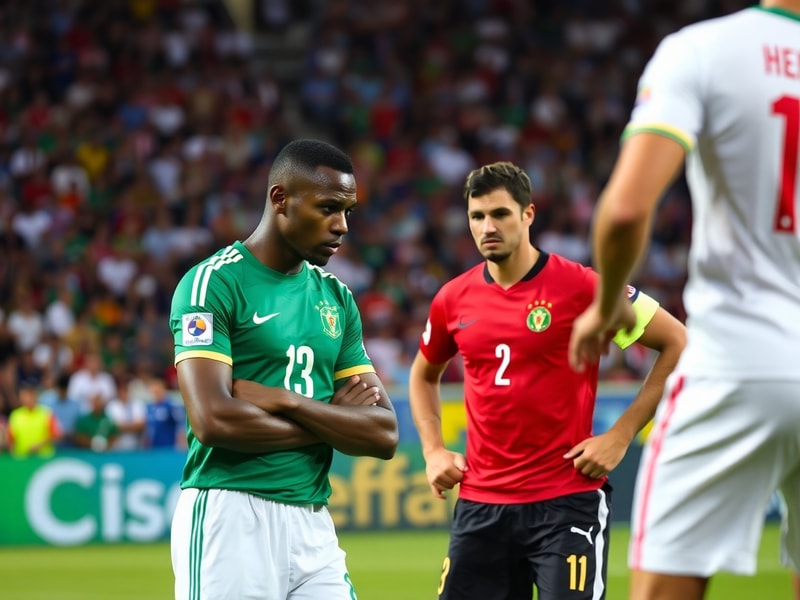
The international friendly between Senegal and Iraq on June 8, 2024, might have been just another match on the calendar, but it carried weight beyond the final score. Senegal, Africa’s reigning champions and a team brimming with Premier League talent, faced Iraq, a side steadily rebuilding its identity after years of instability. The 1-1 draw in Spain’s Costa Blanca was a microcosm of both teams’ journeys—one stepping forward with confidence, the other fighting to reclaim its place on the global stage.
Senegal’s dominance in possession was evident, with 63% of the ball and 22 shots on goal. Yet, Iraq’s disciplined defensive block, anchored by goalkeeper Mohammed Qasim, absorbed pressure with surprising resilience. The match’s opening goal came from Senegal’s Sadio Mané, his third-minute strike a reminder of why he remains one of the continent’s most lethal attackers. But Iraq’s equalizer in the 55th minute, courtesy of Aymen Hussein, underscored their tactical discipline and counterattacking threat.
What made this match particularly intriguing was the context. Senegal’s golden generation—Mané, Kalidou Koulibaly, Édouard Mendy—has aged, and the team is in transition. Meanwhile, Iraq, under coach Jesús Casas, has shown flashes of promise, blending European-based players with homegrown talent. The draw wasn’t just a result; it was a statement. Here’s what it revealed about both teams’ trajectories.
The Senegal Experiment: Progress or Plateau?
Senegal’s performance was a mix of promise and frustration. Their high-pressing game, spearheaded by midfielders like Pape Matar Sarr and Cheikhou Kouyaté, disrupted Iraq’s build-up play effectively. But their finishing betrayed them. Despite 22 shots, they managed just one goal, a statistic that raises questions about their current attacking efficiency. The absence of prolific striker Ismaïla Sarr, sidelined with injury, was keenly felt, forcing Senegal to rely on Mané’s individual brilliance rather than collective cohesion.
The match also highlighted Senegal’s defensive vulnerabilities. While Koulibaly’s leadership at the back remains a cornerstone, the full-back positions—traditionally a strength—looked shaky. Iraq’s equalizer came from a swift counterattack, exploiting space behind Senegal’s high line. This isn’t a new issue for Senegal, but it’s one that needs addressing as they eye qualification for the 2026 World Cup.
The draw exposed the limitations of Senegal’s current squad. Without the depth of previous generations, they’re increasingly reliant on individual moments of magic. For a team that has consistently punched above its weight, this could be a turning point—or a sign that the next cycle of Senegalese football needs urgent reinforcement.
Iraq’s Defensive Masterclass: A Sign of Things to Come?
If Senegal’s performance was a glass half-full, Iraq’s was a masterclass in pragmatism. Under Casas, Iraq has adopted a structured, defensive approach that frustrates opponents while waiting for transitional moments to strike. Qasim’s heroics—including a crucial save from Mané late in the game—were the standout moments, but the real story was the team’s collective discipline.
Iraq’s midfield, marshaled by players like Safaa Hadi and Ali Adnan, played a pivotal role in stifling Senegal’s creativity. Their ability to compress space and force turnovers highlighted a tactical maturity that’s been missing in recent years. The equalizer, when it came, was a direct result of this discipline: a quick transition from defense to attack, culminating in Hussein’s clinical finish.
The match also showcased Iraq’s growing pipeline of talent. Players like midfielder Zidane Iqbal, who has flirted with moves to top European clubs, are injecting fresh energy into the squad. While Iraq may not have Senegal’s star power, their cohesion and tactical awareness suggest they’re more than just a plucky underdog.
For Iraq, this draw was a statement. It wasn’t just about holding their own against a superior opponent; it was about proving they can compete with the best in Africa and Asia. With the 2026 World Cup qualifiers looming, Iraq’s performance in Spain could be the confidence boost they need to push for a historic qualification.
Broader Implications: What This Match Means for African and West Asian Football
The Senegal vs Iraq match wasn’t just a friendly—it was a snapshot of the shifting dynamics in global football. For African football, the result was a reminder of both its strengths and weaknesses. Senegal’s struggles to convert chances reflect a broader issue in African football: the gap between potential and execution. While the continent produces world-class talent, the tactical and technical development of teams often lags behind.
Iraq’s performance, on the other hand, underscores the resurgence of West Asian football. Teams like Iraq, Iran, and Saudi Arabia are no longer content with being mere participants; they’re aiming to challenge the traditional powerhouses. Iraq’s defensive structure and counterattacking style mirror the approach of teams like Japan and South Korea, who have made waves in recent tournaments.
This match also highlights the role of diaspora players in both teams. Senegal’s squad includes players born or raised in France, while Iraq’s ranks feature talents like Adnan, who grew up in Europe. The globalized nature of football means that teams are increasingly blending local identity with international experience—a trend that will only accelerate in the coming years.
The broader implications are clear: African football must address its tactical and developmental gaps if it hopes to maintain its standing. Meanwhile, West Asian teams are proving that they can compete with the best, provided they continue to invest in youth development and tactical innovation.
Key Takeaways from the Senegal vs Iraq Friendly
The match offered several lessons for both teams and observers of international football. Here are the key points to consider:
- Senegal’s attacking woes: Despite dominating possession, their inability to convert chances is a concern. The lack of a natural striker and over-reliance on Mané could be costly in high-stakes matches.
- Iraq’s defensive resilience: Their ability to absorb pressure and strike on the break was impressive. This tactical approach could be a blueprint for other teams looking to punch above their weight.
- Tactical evolution: Both teams demonstrated different approaches—Senegal’s high press vs. Iraq’s defensive solidity. The contrast highlights the diversity of modern football tactics.
- Youth development: Iraq’s squad featured several young talents, suggesting a bright future. Senegal, meanwhile, must address its aging core and invest in the next generation.
- Globalized football: The presence of diaspora players in both teams underscores the interconnected nature of modern football. Talent pools are no longer confined by geography.
A Glimpse into the Future
The Senegal vs Iraq match was more than just a friendly—it was a microcosm of the challenges and opportunities facing African and West Asian football. For Senegal, the draw was a reality check, forcing them to confront their tactical and technical limitations. For Iraq, it was a statement of intent, proving they can compete with the continent’s best.
As both teams look ahead to the 2026 World Cup qualifiers, the lessons from this match will be invaluable. Senegal must refine their approach, balancing their attacking flair with defensive solidity. Iraq, meanwhile, can take confidence from their performance, knowing that they’re on the right path.
Football is a game of moments, and this match provided plenty of them. But beyond the scoreboard, it offered a glimpse into the future of the sport—a future where Africa and West Asia are increasingly shaping the narrative.
For fans and analysts alike, the Senegal vs Iraq friendly was a reminder that football’s beauty lies in its unpredictability. The next chapter of this rivalry—or the broader story of these teams—could be just as compelling.
To explore more on international football and its evolving dynamics, check out our Sports and Analysis sections for deeper insights.