Why Mountain Dew’s 5-Cent Bundles Are More Than Just a Soda Deal
The Mountain Dew 5-cent bundle isn’t just a nostalgic throwback—it’s a calculated marketing move that taps into Gen Z’s fixation on value and vintage aesthetics. In an era where energy drinks dominate shelves and prices climb steadily, PepsiCo’s decision to reintroduce the classic 5-cent promotion feels like a deliberate callback to simpler times. But beneath the retro charm lies a shrewd strategy to reignite consumer engagement while testing the limits of nostalgia’s power in modern marketing.
How the Mountain Dew 5-cent bundles work
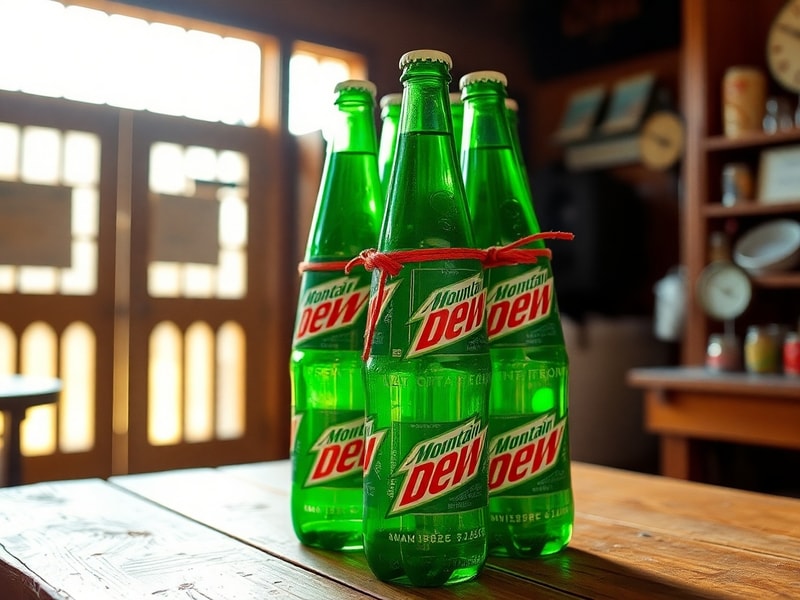
The revival comes with a twist. Unlike the original promotions of the 1980s—where soda was sold at a fixed low price nationwide—the current iteration is location-specific. PepsiCo is partnering with independent and regional convenience stores, gas stations, and small retailers to offer limited-time 5-cent bundles of Mountain Dew. Each bundle typically includes a 20-ounce bottle or a 12-pack, depending on the participating store. The catch? Availability is scarce, and timing is everything.
To participate, consumers often need to download a mobile app or follow a store’s social media page for real-time alerts. The scarcity model mirrors the brand’s earlier “Dew or Die” campaign ethos—exclusivity breeds demand. Retailers benefit too, as the low price point drives foot traffic and positions them as gatekeepers of a rare deal.
What’s included in the typical bundle?
While offerings vary, most 5-cent bundles include one of the following:
- A single 20-oz bottle of Mountain Dew (original, Voltage, or Major Melon flavors)
- A 4-pack or 6-pack of 12-oz cans
- A mixed variety pack combining different Dew flavors
- Occasionally, a T-shirt or collectible cup as a bonus
The promotion usually runs for one week at participating locations, creating a sense of urgency that social media amplifies. Fans share location tips and price-checks, turning the hunt for 5-cent Dew into a community-driven scavenger hunt.
The psychology behind the promotion
At its core, the 5-cent bundle isn’t just about selling soda—it’s about selling an experience. It leverages three powerful psychological triggers: nostalgia, scarcity, and community. For Millennials and older Gen Zers, the price harkens back to childhood memories of saving pocket change for a cold soda on a hot day. For younger consumers, it’s a curated discovery, a digital-age treasure hunt that feels more authentic than algorithm-driven ads.
Scarcity, too, plays a critical role. Behavioral economists know that limited availability increases perceived value. When a product is hard to find, people are more likely to go out of their way, share information, and even pay more later—just to experience it again. This explains why social media platforms light up with posts like “Found it at 7-Eleven on Main!” or “Got the last 4-pack in town!”
But the most underrated element is community. The 5-cent Dew hunt fosters organic conversations online and offline. Facebook groups, TikTok threads, and Reddit posts track participating stores, share receipts, and celebrate wins. In a fragmented media landscape, such grassroots engagement is gold for brand loyalty.
Broader implications for the soda industry
PepsiCo’s move isn’t isolated. It reflects a growing trend among legacy brands to blend heritage marketing with digital-era tactics. In an industry where health consciousness and sugar taxes threaten traditional sales, nostalgia becomes a lifeline. Coca-Cola’s retro bottle campaigns and retro-themed vending machines serve similar purposes—reconnecting with core audiences while attracting younger ones through aesthetics.
Yet the 5-cent bundle carries unique risks. First, the low price erodes profit margins, especially for small retailers. Second, if overused or poorly executed, it could dilute the brand’s perceived value. Consumers might begin to associate Mountain Dew with “cheap,” not “cool.” Third, the model relies heavily on local partnerships, which are harder to scale than national campaigns.
Despite these challenges, the strategy offers a low-risk testbed. If successful, PepsiCo could expand the model to other brands under its umbrella—think Starburst, Lay’s, or Pepsi itself—using localized pricing to drive regional buzz without alienating national retailers.
Why this matters beyond soda
The Mountain Dew 5-cent bundle is a case study in how legacy brands can reinvent themselves without overhauling their identity. It shows that authenticity matters more than ever, especially when younger consumers value transparency and heritage. It also highlights the growing power of micro-influencers—not celebrities, but local store owners and community leaders who curate experiences.
Moreover, the promotion underscores a shift in retail strategy: physical presence is now a competitive advantage. In an age of one-click ordering, the thrill of finding a rare deal in a brick-and-mortar store creates an emotional connection that digital commerce often lacks. This could inspire other brands to rethink their in-store experiences, blending digital alerts with tangible rewards.
Ultimately, the 5-cent bundle isn’t just about selling soda. It’s about selling moments—shared glances, triumphant social posts, and the quiet joy of finding something you didn’t know you needed. In a market saturated with ads and algorithms, those moments are priceless.