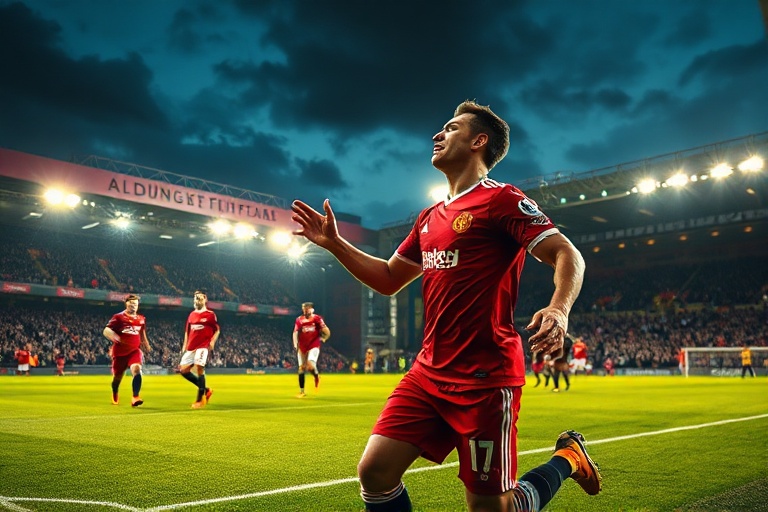
The rivalry between FC Red Star Belgrade (commonly known as Red Star) and FK Crvena Zvezda (Red Star) versus FK Partizan (the Pirates) transcends mere football. It is a clash of ideologies, a battle of identities, and a spectacle that has shaped Serbian culture for nearly a century. These two Belgrade-based clubs, Red Star and Partizan, represent more than athletic competition; they embody the political, social, and emotional divides that have defined modern Serbia.
The origins of a historic rivalry
The roots of the Red Star vs. Partizan rivalry stretch back to 1945, when both clubs were founded shortly after World War II. Red Star was established by the new communist government and quickly became a symbol of socialist identity. Its red star emblem reflected the revolutionary spirit of the time. Partizan, on the other hand, was created by the Yugoslav People’s Army and carried a more militaristic identity. The clubs were born from different branches of the same state apparatus, yet their rivalry soon took on a life of its own.
What began as a political statement evolved into a sporting obsession. The first official match between the two sides took place in 1947, setting the stage for what would become one of football’s most intense derbies. The rivalry wasn’t just about points on the table—it was about prestige, pride, and the very soul of Belgrade. Over the decades, the Eternal Derby (Večni derbi) became more than a fixture; it became a cultural institution, drawing millions of fans into its orbit each season.
A global stage for local passion
While the Red Star vs. Partizan rivalry is deeply rooted in Serbian soil, its influence has spread far beyond the Balkans. The Eternal Derby has been broadcast in over 50 countries, captivating audiences from Tokyo to Toronto. International fans often cite the electric atmosphere inside the Marakana stadium as one of football’s most unforgettable experiences. The passion of the ultras, the choreography, and the sheer intensity of the event have earned it comparisons to iconic rivalries like Liverpool vs. Manchester United or Boca Juniors vs. River Plate.
Yet, unlike those Western European clashes, the Red Star vs. Partizan rivalry carries a unique historical weight. During the 1990s, as Yugoslavia unraveled, the derby took on added significance. Matches became symbolic battlegrounds for national identity, especially after NATO’s bombing of Serbia in 1999. The stadiums became places of defiance, where fans waved national flags and sang songs of resistance. Even today, visiting supporters from neighboring countries often remark on the emotional intensity that sets this fixture apart.
Key moments that defined the rivalry
The history of the Red Star vs. Partizan derby is rich with dramatic episodes that have cemented its legendary status. Some of the most unforgettable moments include:
- 1976: The Marakana riot. After Red Star won 4–2, violent clashes broke out between fans, leading to a temporary ban on away supporters. The incident highlighted the dangerous edge of the rivalry.
- 1999: The derby during the NATO bombing. Despite air raid sirens, the match went ahead as scheduled. Partizan won 1–0, but the real victory was the defiance it represented for a besieged nation.
- 2010: Red Star’s 3–0 victory in the Serbian Cup. A dominant display in front of a near-capacity crowd, with Red Star fans unfurling a massive banner depicting the club’s greatest legends.
- 2018: The 5–0 demolition. Partizan suffered one of its heaviest derby defeats in modern history, sparking fan protests and managerial changes.
These moments are more than statistics—they are chapters in a larger narrative of resilience, pride, and unrelenting competition. Each derby is a new installment in a story that began decades ago, yet feels perpetually fresh.
The cultural heartbeat of Belgrade
To understand the Red Star vs. Partizan rivalry, one must step into the streets of Belgrade. The city is divided along ideological lines, with Red Star supporters traditionally associated with the working class and Partizan with the military and state institutions. These divisions are reflected in the neighborhoods, bars, and even family gatherings where debates over which club is superior can turn heated.
The ultras groups—Delije for Red Star and Grobari for Partizan—are among the most organized and vocal in Europe. Their chants, banners, and pyrotechnic displays create an atmosphere that is both awe-inspiring and intimidating. The choreography inside the stadiums is meticulously planned, often telling stories of history, resistance, and club heritage. For many fans, attending the derby is a rite of passage, a moment of communal identity that transcends football itself.
This cultural significance has not gone unnoticed. Serbian artists, writers, and musicians frequently reference the derby in their work. Films like Montevideo, God Bless You! and songs by popular bands such as Riblja Čorba have immortalized the rivalry in popular culture. Even international media outlets, including Sports giants like ESPN and BBC, have dedicated features to the Eternal Derby, often describing it as one of the most passionate football rivalries in the world.
Beyond the pitch: politics, identity, and legacy
The Red Star vs. Partizan rivalry is not just a sporting contest—it is a mirror held up to Serbian society. The clubs’ histories are intertwined with the country’s political evolution. During the communist era, Red Star was seen as the regime’s favorite. After the fall of communism, Partizan’s military ties made it a target for nationalist sentiment. In the 2000s, as Serbia moved toward European integration, the rivalry became a symbol of both resistance and reconciliation.
Today, the clubs continue to shape the national conversation. Red Star’s recent dominance in European competitions—including a historic Champions League group stage run in 2018—has restored pride to Serbian football. Meanwhile, Partizan has focused on developing young talent, aiming to reclaim its former glory. The rivalry now serves as a bridge between generations, connecting older fans who lived through the Cold War era with younger supporters discovering the passion for the first time.
As Serbia continues its journey toward EU membership and global integration, the Red Star vs. Partizan derby remains a constant reminder of the country’s complex identity. It is a celebration of resilience, a showcase of talent, and a testament to the power of football to unite—and divide—communities. Whether viewed through the lens of history, culture, or sport, the Eternal Derby is more than a match. It is a living, breathing entity that continues to define what it means to be Serbian.