Türkiye: A Nation of Contrasts and Global Influence
Beyond the Beaches: The Many Faces of Türkiye
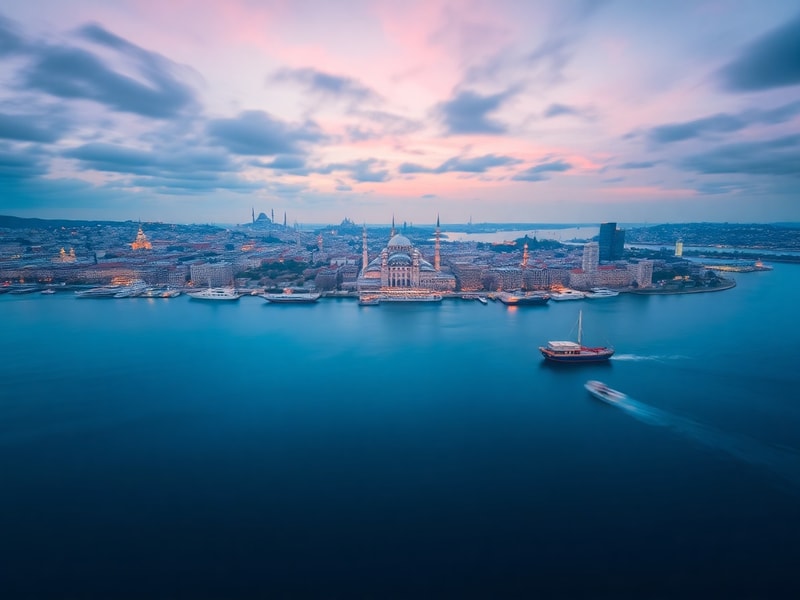
Türkiye sits at a crossroads—not just geographically, between Europe and Asia, but culturally, economically, and historically. Long known for its sun-drenched Mediterranean coastlines and Istanbul’s iconic skyline, the country has spent decades cultivating a reputation as a travel destination. Yet beneath the postcard-perfect surface lies a nation of contrasts: ancient ruins standing beside modern megacities, conservative traditions coexisting with progressive movements, and a resilient economy navigating global uncertainty. From its role in global trade to its cultural influence in music and film, Türkiye is far more than a holiday hotspot.
Its strategic location has shaped its destiny for millennia. The Bosphorus Strait alone has made it a vital link between continents, a fact that has drawn empires, traders, and explorers for centuries. Modern Türkiye, born from the ashes of the Ottoman Empire in 1923, has evolved into a dynamic republic that balances secular governance with deep-rooted Islamic heritage. Today, it plays a crucial role on the world stage—whether as a NATO member, a mediator in regional conflicts, or a growing hub for technology and innovation.
Economic Resilience and Global Ambitions
Türkiye’s economy is one of its most talked-about aspects, often making headlines for its volatility. The Turkish lira has faced repeated devaluations, inflation has soared at times, and economic policies have drawn both praise and criticism. Yet, despite these challenges, the country remains a manufacturing powerhouse. It ranks among the world’s top producers of automobiles, textiles, and electronics, with major global brands operating extensive supply chains within its borders.
Istanbul, in particular, stands as the beating heart of this economic engine. The city’s skyline is dominated by cranes and construction sites, symbols of a building boom that has reshaped neighborhoods. The new Istanbul Airport, one of the largest in the world, connects the country to over 300 destinations, reinforcing its role as a global transit hub. Meanwhile, cities like Izmir and Bursa serve as industrial centers, driving exports in machinery, food products, and automotive parts.
Investment in renewable energy has also accelerated in recent years. Türkiye is rapidly expanding its solar and wind capacity, aiming to reduce dependence on imported fossil fuels. Offshore wind farms in the Aegean and solar plants in Central Anatolia are part of a broader strategy to position the country as a leader in green energy within the region.
The Cultural Tapestry: More Than Just a Tourist Poster
Türkiye’s cultural footprint extends well beyond the Blue Mosque and Grand Bazaar. It has produced some of the most influential musicians, filmmakers, and writers of the past century. The country’s musical legacy, for instance, blends Ottoman classical traditions with contemporary pop, rock, and electronic sounds. Artists like Sezen Aksu and Tarkan have achieved international fame, while younger acts continue to innovate, fusing traditional instruments like the bağlama with modern beats.
Cinema, too, has seen a renaissance. Turkish films have gained global acclaim, with directors like Nuri Bilge Ceylan and Semih Kaplanoğlu earning awards at Cannes and Berlin. Their works often explore deep human themes—identity, migration, and the tension between tradition and modernity—offering a nuanced view of Turkish society that rarely makes international headlines.
The literary scene is equally rich. Writers such as Orhan Pamuk, winner of the Nobel Prize in Literature, have brought Turkish stories to a global audience. His novel My Name Is Red weaves together art history, mystery, and cultural identity, showcasing the depth of Türkiye’s narrative traditions.
Social Change and Youth Movements
While Türkiye often appears in Western media through the lens of politics or conflict, a quieter revolution is unfolding among its youth. The country has one of the youngest populations in Europe, with over 60% under the age of 35. This demographic shift is fueling social change, from environmental activism to demands for greater personal freedoms.
Environmental protests have grown in visibility, particularly in response to urban development projects that threaten green spaces. The opposition to the construction of a canal in Istanbul’s northern forests and resistance against coal plants in sensitive ecological areas reflect a generation increasingly vocal about climate action.
- In 2021, thousands gathered in Istanbul to protest the government’s decision to withdraw from the Istanbul Convention, a landmark treaty aimed at combating violence against women.
- Student-led movements have pushed for reforms in education, advocating for more critical thinking and less ideological control in curricula.
- LGBTQ+ rights organizations continue to fight for visibility and protection despite legal and social challenges.
These movements illustrate a society in flux, where the values of a secular republic clash with conservative social norms. The government has at times responded with crackdowns, but the persistence of these groups signals a broader cultural negotiation underway.
Türkiye on the World Stage
Türkiye’s foreign policy remains one of its most scrutinized aspects. As a key NATO ally, it plays a critical role in European security, particularly regarding issues like migration and counterterrorism. Yet its relationships with Western powers have been tested in recent years. Disputes over human rights, the purchase of Russian S-400 missile systems, and differing stances on regional conflicts like Syria have created friction with the United States and European Union.
At the same time, Türkiye has deepened ties with countries beyond the West. Trade with Russia has surged, especially in energy and agriculture. Diplomatic efforts in the Middle East, including mediation between Iran and Saudi Arabia, have positioned Ankara as an independent actor in regional diplomacy. Its role in the Black Sea region, including the recent grain deal negotiations, underscores its strategic importance.
The country’s soft power is also expanding. Turkish television dramas, known as dizis, have become cultural ambassadors, airing across the Arab world, Balkans, and even Latin America. Shows like Ertuğrul and Kuruluş: Osman have amassed massive followings, blending historical storytelling with modern themes of justice and resilience.
The Future: Challenges and Opportunities
Looking ahead, Türkiye faces a mix of challenges and opportunities. Economically, reducing inflation and stabilizing the currency remain top priorities. Politically, the balance between secular governance and religious identity continues to shape public discourse. Socially, the integration of a young, urban population with traditional values will define the country’s trajectory.
Yet, there are reasons for optimism. The country’s entrepreneurial spirit is evident in its booming tech sector. Istanbul has emerged as a startup hub, with companies in fintech, e-commerce, and artificial intelligence gaining international attention. Initiatives to improve digital infrastructure and education in coding and innovation are laying the groundwork for a knowledge-based economy.
Tourism, too, remains a vital sector. Despite geopolitical tensions and occasional security concerns, millions continue to flock to Türkiye’s historic sites, thermal springs, and coastal resorts. The government has invested in diversifying its offerings, promoting cultural and experiential tourism alongside traditional beach vacations. From Cappadocia’s hot air balloons to the ancient ruins of Ephesus, the country’s heritage is a magnet for travelers seeking authenticity.
Türkiye’s story is far from simple. It is a nation of contradictions—secular yet deeply spiritual, modern yet rooted in tradition, ambitious yet constrained by economic and political pressures. But it is precisely these contradictions that make it fascinating. Whether you’re drawn to its economic dynamism, its cultural richness, or its geopolitical significance, Türkiye offers a narrative that defies easy categorization.
As the country navigates its next chapter, one thing is clear: its influence extends far beyond its borders. From the streets of Istanbul to the fields of Anatolia, Türkiye is redefining what it means to be a bridge between worlds—not just geographically, but culturally and economically as well. For those willing to look beyond the stereotypes, there’s a deeper, more complex story waiting to be discovered.