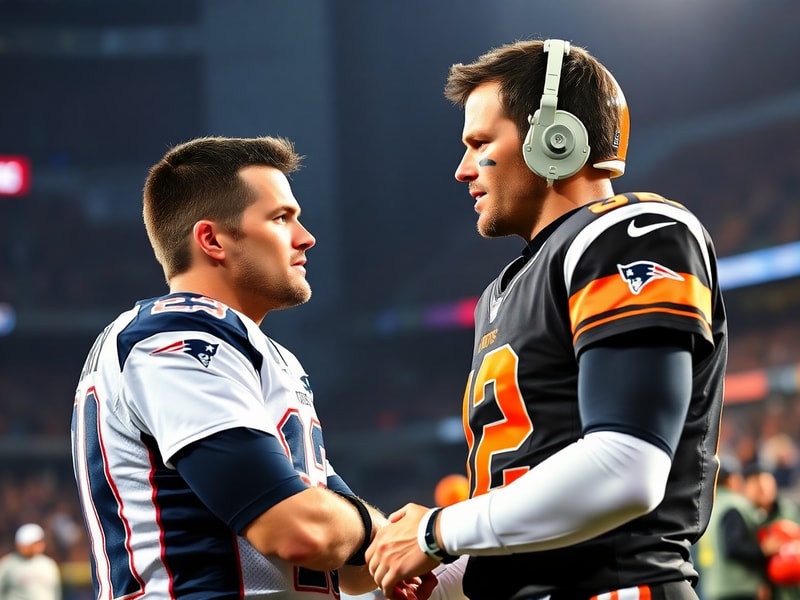
How Tom Brady Helped Josh Gordon Turn Talent into Redemption
The Unlikely Bond Between Josh Gordon and Tom Brady: A Story of Redemption and Discipline
In the world of professional sports, few stories are as compelling as the relationship between Josh Gordon and Tom Brady. Gordon, a once-troubled wide receiver with immense talent, found an unexpected mentor in Brady, the NFL’s most decorated quarterback. Their bond transcended the typical player-coach dynamic, offering a masterclass in second chances and personal reinvention. The lessons from their partnership extend far beyond the football field, touching on themes of perseverance, accountability, and the power of mentorship.
Gordon’s career has been a rollercoaster of highs and lows. Drafted in the second round by the Cleveland Browns in 2012, he quickly established himself as one of the NFL’s most explosive playmakers. His 2013 season—where he caught 87 passes for 1,646 yards and 9 touchdowns—reminded fans of the raw talent that made him a Pro Bowler in only his second year. But behind the on-field success were struggles with substance abuse, suspensions, and a revolving door of teams. By the time he joined the New England Patriots in 2018, Gordon’s reputation had been tarnished by repeated violations of the NFL’s substance abuse policy.
Enter Tom Brady. At the time, Brady was in the twilight of his legendary career, but he had already begun building a reputation not just as a champion, but as a leader who prioritized mental and physical discipline. When Brady took Gordon under his wing, it wasn’t just about football. It was about accountability. Brady’s approach to mentorship was rooted in consistency, self-awareness, and relentless preparation—values that Gordon, despite his talent, had struggled to internalize.
What made their relationship particularly fascinating was how Brady tailored his guidance to Gordon’s specific needs. Instead of imposing a one-size-fits-all philosophy, Brady recognized Gordon’s intelligence and potential. He encouraged Gordon to lean into his strengths—his elite route-running, his ability to create separation, and his knack for big plays—while addressing the habits that were holding him back. Brady’s influence wasn’t just about X’s and O’s; it was about cultivating a mindset.
The Role of Mentorship in Athletic Reinvention
Mentorship in sports often gets reduced to clichés about “tough love” or “leading by example.” But the Gordon-Brady dynamic demonstrated how mentorship could be a lifeline for athletes navigating personal and professional crises. Brady didn’t just offer tactical advice. He modeled behavior. Whether it was Brady’s meticulous diet, his sleep regimen, or his film study habits, Gordon had a front-row seat to what it took to sustain excellence over two decades.
Research in sports psychology supports the idea that mentorship accelerates development, especially for athletes in high-pressure environments. A 2019 study published in the Journal of Applied Sport Psychology found that athletes who received structured mentorship reported higher levels of resilience and lower incidences of burnout. Brady’s approach aligned with these findings. He didn’t just demand improvement; he created an environment where Gordon felt safe to fail, learn, and grow.
This kind of mentorship is rare in professional sports, where relationships are often transactional. But Brady’s investment in Gordon sent a message: talent alone isn’t enough. Without discipline, accountability, and a support system, even the most gifted athletes can derail. Gordon’s brief but impactful tenure with the Patriots—culminating in a Super Bowl appearance in 2018—proved that a structured environment, paired with genuine belief in an athlete’s potential, could yield results.
Key Takeaways from the Gordon-Brady Partnership
The lessons from Gordon and Brady’s collaboration extend beyond football. Here are some of the most significant takeaways:
- Second chances require structure: Gordon’s multiple suspensions didn’t disqualify him from Brady’s mentorship, but Brady’s structured approach ensured Gordon had the tools to succeed. Without accountability, second chances often lead to repeat failures.
- Mentorship is personal: Brady tailored his guidance to Gordon’s specific challenges. Generic advice rarely works; understanding an individual’s strengths and weaknesses is crucial.
- Leadership is about modeling behavior: Brady didn’t just talk about discipline—he lived it. Athletes, like all professionals, learn by observing those they respect.
- Talent thrives in the right environment: Gordon’s time with the Patriots wasn’t just about football. It was about being in an environment where his talent could flourish without the distractions of poor habits or negative influences.
The Broader Implications for Athlete Development
The Gordon-Brady story is more than a feel-good narrative. It’s a case study in how sports organizations can better support athletes facing personal challenges. The NFL, like many professional leagues, has grappled with how to handle players with histories of substance abuse. Traditional approaches often focus on punishment, but the Brady-Gordon dynamic suggests a more nuanced model: one that combines rehabilitation with structured mentorship.
This model isn’t limited to football. In basketball, LeBron James has taken a similar approach with younger players, emphasizing both skill development and personal growth. In tennis, Serena Williams has mentored rising stars, blending technical advice with life lessons. The key takeaway is that mentorship, when done right, isn’t just about improving performance—it’s about shaping character.
For organizations, the implications are clear. Investing in mentorship programs—especially for athletes with checkered pasts—can yield long-term dividends. It’s not just about winning games; it’s about building sustainable careers and, in some cases, saving lives. The NFL’s recent emphasis on mental health and wellness programs is a step in the right direction, but the Brady-Gordon story shows that real change starts with individual relationships.
Where Are They Now? The Evolution of Gordon and Brady
Since their time together in New England, both Gordon and Brady have continued to evolve in their careers. Gordon, now 33, has played for multiple teams, including the Seattle Seahawks and Kansas City Chiefs. His journey has been marked by flashes of brilliance—like his 174-yard performance in a 2021 game against the Atlanta Falcons—but also by recurring struggles with consistency and discipline. Yet, Gordon has remained a sought-after talent, a testament to his undeniable ability and the lessons he learned under Brady’s wing.
Brady, of course, retired after the 2022 season as the NFL’s all-time leader in passing yards and touchdowns. His post-playing career has focused on wellness, business, and media ventures. But his influence on players like Gordon underscores the lasting impact of his leadership style. Brady’s post-career pursuits—including his work with the TB12 brand and his podcast—continue to emphasize the principles of discipline and longevity that defined his playing days.
For younger athletes watching from the sidelines, the Gordon-Brady story offers a blueprint. It’s a reminder that talent is just the starting point. The difference between a player who peaks early and one who sustains success often comes down to the environment they’re in and the mentors they surround themselves with. Gordon’s career arc—marked by both brilliance and setbacks—highlights the importance of having someone like Brady in your corner: someone who believes in your potential even when you don’t believe in yourself.
As the NFL continues to evolve, stories like Gordon and Brady’s will serve as benchmarks for how the league handles its most complex challenges. The league’s recent policies on mental health and personal conduct reflect a growing recognition that athletes are more than just performers—they’re people with complex lives. Brady’s mentorship of Gordon wasn’t just about football; it was about showing that redemption is possible, but it requires effort, support, and a willingness to confront one’s flaws.
In the end, the Gordon-Brady partnership is a reminder that sports, at its best, is about more than wins and losses. It’s about the relationships that shape careers, the lessons that transcend the field, and the legacies that extend far beyond the final whistle. For athletes struggling with personal demons, the Brady-Gordon story is proof that second chances aren’t just possible—they’re a testament to the power of mentorship.