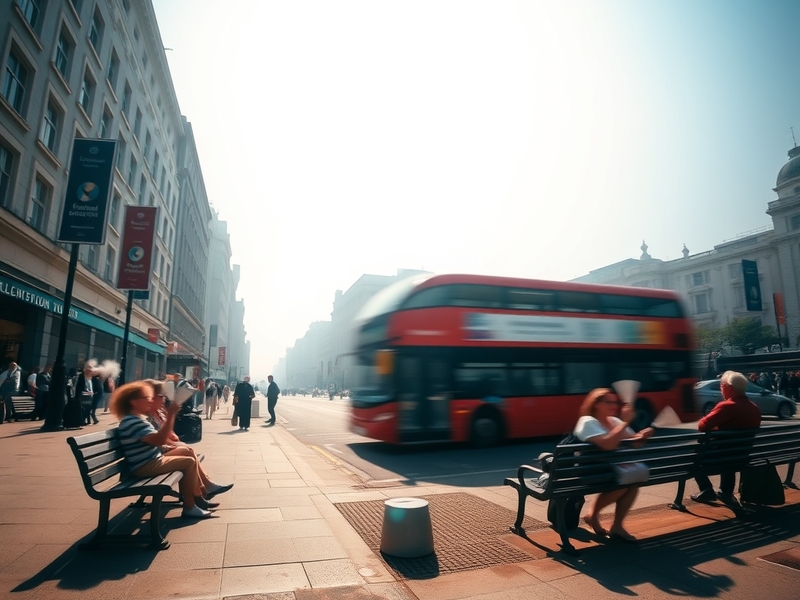
What to Expect from the UK’s Upcoming Heatwave
The Met Office has issued a heatwave warning as temperatures across the UK are set to climb well above seasonal averages this week. Forecasters predict peak highs of 34°C in southern England, with overnight temperatures struggling to dip below 20°C in urban areas. While the mercury will ease slightly by the weekend, the arrival of a high-pressure system means prolonged exposure to hot conditions remains likely. Residents are advised to stay hydrated and limit outdoor activities during the warmest parts of the day.
This isn’t just a brief spike in warmth. The current pattern suggests a multi-day event, with heat building from Wednesday and lingering through Friday in many regions. The UK Health Security Agency has already activated its Heat-Health Alert, warning of increased risks for vulnerable groups including the elderly, young children, and those with pre-existing health conditions. Local authorities are preparing temporary cooling centers in libraries and community halls to offer respite for those without access to air conditioning.
London is expected to see the highest temperatures, closely followed by parts of the East Midlands and East Anglia. Coastal areas, while slightly cooler due to sea breezes, may still experience uncomfortable humidity levels. Public transport operators have also flagged potential disruptions, particularly on the rail network, where speed restrictions are often imposed to prevent track buckling in extreme heat.
Why This Heatwave Is Different
Unlike typical summer warm spells, this event is being driven by a combination of a tropical continental air mass and stable atmospheric conditions. Weather models show the jet stream displaced well to the north, allowing a plume of hot air to push northward from North Africa and Iberia. This is the same weather pattern responsible for the record-breaking 40°C heat in July 2022. While this week’s temperatures won’t reach those extremes, they do reflect a trend: seven of the UK’s ten hottest days on record have occurred since 2000.
Climate scientists point to rising global temperatures as a key factor. The Met Office’s State of the UK Climate report confirms that the country is warming faster than the global average, with 2023 ranking as the second warmest year since records began in 1884. Dr. Mark McCarthy, head of the Met Office’s National Climate Information Centre, noted, “Heatwaves are becoming more frequent, more intense, and longer-lasting. What we’re seeing now is consistent with projections under medium-emission scenarios.”
Urban areas face additional challenges due to the heat island effect. Concrete, tarmac, and dense building materials absorb and re-radiate heat, making cities several degrees warmer than surrounding rural areas. In London, this could mean daytime temperatures 5–7°C higher than in the countryside. The Greater London Authority has urged residents to close curtains during the day, avoid using ovens, and use fans at night to improve airflow.
How to Stay Safe and Cool
Public health officials have issued a series of practical guidelines to help people stay safe during the heatwave. The NHS recommends drinking plenty of water, even when not thirsty, and avoiding alcohol and caffeine as they can dehydrate. Light, loose-fitting clothing in breathable fabrics like cotton or linen is advised, along with wide-brimmed hats and SPF 30+ sunscreen when outdoors. Children and pets should never be left unattended in vehicles, with temperatures inside cars potentially reaching lethal levels within minutes.
For those working outdoors or engaging in physical activity, scheduling strenuous tasks for early morning or late evening is crucial. Employers are reminded of their legal duty under the Management of Health and Safety at Work Regulations to assess heat-related risks and provide adequate rest breaks, shade, and hydration. The Trades Union Congress has called for a formal heat-stress standard to be introduced, similar to those already in place in other European countries.
Here’s a quick checklist to prepare your home:
- Avoid opening windows during the day to keep heat out; close curtains or blinds instead.
- Use damp towels or bowls of water to cool the air indoors; evaporative cooling can make a noticeable difference.
- Switch off unnecessary electrical devices, as they generate heat.
- Consider visiting local cooling spots such as libraries, shopping malls, or designated green spaces if your home becomes unbearable.
Gardeners should also take precautions. Plants that thrive in cooler climates may wilt under prolonged heat, while lawns can turn brown within days. Watering early in the morning or late evening reduces evaporation loss, and mulching around plant bases helps retain moisture. For those interested in sustainable gardening, this could be a useful test case for future-proofing outdoor spaces.
Long-Term Implications and Climate Adaptation
Beyond the immediate health and comfort concerns, this heatwave raises broader questions about the UK’s preparedness for a warming climate. The government’s National Adaptation Programme highlights the need for investment in green infrastructure, such as urban tree planting and reflective roof coatings, to mitigate rising temperatures. The 2023 Environmental Audit Committee report on heat resilience called for a national heat risk strategy, noting that current adaptation efforts are fragmented and underfunded.
Transport and energy sectors are also bracing for impacts. The National Grid has warned of increased electricity demand as households run fans and air conditioning units simultaneously. To manage this, they’ve activated standby generators and encouraged energy-saving measures during peak hours. Meanwhile, Network Rail has begun painting railway bridges white to reduce heat absorption and prevent warping.
Water companies are monitoring reservoir levels closely, particularly in southern England where drought conditions have persisted since last summer. Southern Water and Thames Water have already imposed hosepipe bans in some areas, and further restrictions may be introduced if the heatwave extends into next week. Customers are being urged to report leaks and avoid non-essential water use.
On a community level, the heatwave has sparked renewed interest in local resilience initiatives. Groups like community action networks are organizing mutual aid schemes to check on elderly neighbors and distribute fans and water bottles. Social media platforms have seen a surge in neighborhood apps where residents share tips, offer help, or simply check in on one another. These grassroots efforts highlight how communities can adapt quickly when traditional systems are stretched.
Looking Ahead: What’s Next for UK Weather?
As the heatwave peaks midweek, attention will turn to its aftermath. Meteorologists expect a gradual decline in temperatures over the weekend as a weak cold front moves in from the northwest. However, the broader pattern suggests more unsettled weather could follow, with potential thunderstorms bringing sudden downpours and localized flooding—a classic sign of a climate system adjusting to extreme contrasts.
Looking further ahead, the Met Office’s three-month outlook hints at a warmer-than-average August, though not necessarily as intense as this week. The persistence of high-pressure systems over the UK and Europe could become more common under climate change, leading to longer dry spells and increasing the risk of heatwaves becoming the “new normal” during summer months.
For now, the focus remains on staying safe and supporting one another. Whether it’s sharing a fan with a neighbor, checking on a relative, or simply enjoying a cool drink in the shade, small actions collectively make a difference. As climate patterns shift, so too must our approach to living with heat—anticipating it, preparing for it, and adapting to it, one summer at a time.