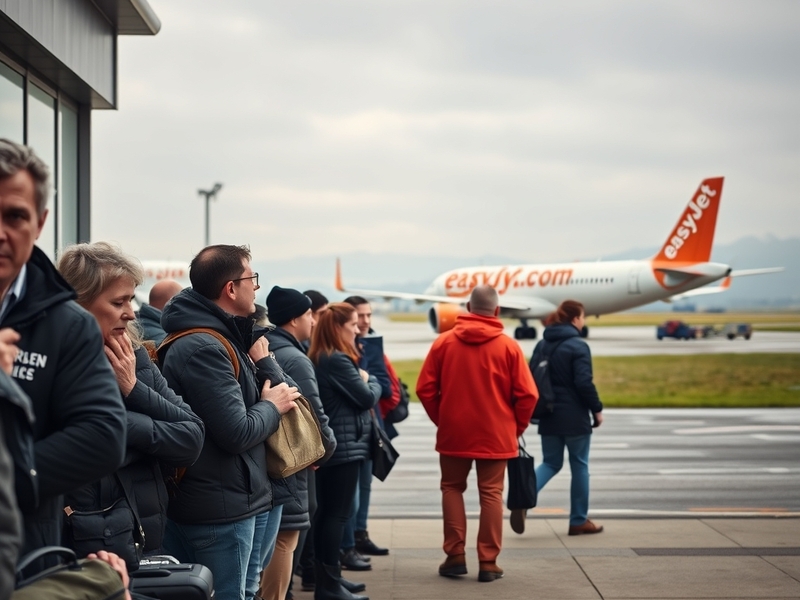
EasyJet passengers flying from or to Leeds Bradford Airport (LBA) over the past month have faced a wave of cancellations, leaving many scrambling to rearrange travel plans. The disruptions, concentrated between mid-June and early July, affected dozens of flights, with some travelers reporting last-minute notifications and others arriving at the airport to find their flights pulled entirely. While the airline attributed the cancellations to a mix of operational challenges, staff shortages, and external factors, the ripple effects have extended far beyond individual inconvenience.
Why did the cancellations happen?
EasyJet has pointed to several factors behind the cancellations. A spokesperson confirmed that a combination of crew shortages, aircraft availability issues, and air traffic control restrictions contributed to the disruptions. Some flights were also canceled due to technical problems with aircraft, while others were scrapped as part of the airline’s efforts to manage its schedule amid ongoing challenges.
The airline operates on a tight schedule, relying heavily on aircraft and crew efficiency to keep costs low and flights punctual. When any part of that system falters, cancellations become inevitable. In this case, the cancellations were not isolated to LBA but were part of a broader pattern affecting multiple European airports. However, the concentration of cancellations at LBA has drawn particular attention, given the airport’s role as a key hub for leisure and business travelers in the north of England.
How passengers were affected
The cancellations left many passengers in difficult situations, particularly those traveling for business, family emergencies, or pre-booked vacations. Some travelers reported receiving notifications as little as 24 hours before their scheduled departure, while others were informed only upon arrival at the airport. The lack of advance warning exacerbated the frustration, with many questioning the airline’s communication during the crisis.
For those who managed to rebook, the process was often fraught with challenges. EasyJet’s website and customer service lines were overwhelmed, leading to long wait times and delays in securing alternative flights. Some passengers resorted to booking last-minute tickets with other airlines, incurring additional costs. Others chose to travel by train or alternative routes, adding hours—or even days—to their journeys.
Families with young children and elderly travelers were particularly hard hit. The sudden changes disrupted carefully planned itineraries, forcing some to scramble for last-minute childcare or accommodations. The emotional toll of canceled vacations and missed events added to the frustration, with many questioning whether they would trust EasyJet for future travel.
EasyJet’s response and recovery efforts
In response to the cancellations, EasyJet issued a statement acknowledging the inconvenience caused and offered affected passengers a range of options, including rebooking on alternative flights, refunds, or travel vouchers. The airline also pledged to improve its communication with passengers and to better manage its operational challenges moving forward. However, critics argue that the response came too late for many travelers who had already incurred significant expenses and stress.
To prevent future disruptions, EasyJet has reportedly increased its staffing levels and is working closely with air traffic control and maintenance teams to ensure smoother operations. The airline has also emphasized its commitment to transparency, promising clearer communication in the event of further cancellations. Whether these measures will be enough to restore passenger confidence remains to be seen.
Broader implications for the airline industry
The cancellations at LBA highlight deeper issues within the airline industry, including staffing shortages, rising operational costs, and the ongoing impact of the pandemic. While airlines have rebounded strongly in recent years, the sector remains vulnerable to disruptions caused by external factors such as strikes, weather, and geopolitical events. The EasyJet cancellations serve as a reminder of the fragility of air travel, even as demand continues to grow.
For passengers, the experience underscores the importance of travel insurance and flexible booking options. Many travelers now prioritize airlines with robust customer service and clear policies for handling cancellations. The incident may also prompt regulators to scrutinize airline practices more closely, particularly around communication and compensation during disruptions.
From an economic perspective, the cancellations could have a ripple effect on local businesses around LBA. The airport is a vital gateway for tourism and commerce in Yorkshire, and disruptions to flights can deter visitors and impact revenue for hotels, restaurants, and attractions. The long-term effects on the regional economy will depend on how quickly EasyJet and other airlines can restore stability.
Key takeaways for travelers
If you’re planning to fly with EasyJet—or any airline—from LBA or another busy airport, here’s what you should keep in mind:
- Check your flight status early: Monitor updates from the airline in the days leading up to your departure, as cancellations can be announced with little notice.
- Consider travel insurance: Policies that cover trip cancellations and delays can provide financial protection if your flight is scrapped.
- Have a backup plan: Know your options for rebooking or refunds before you travel, and consider booking with airlines that offer flexible policies.
- Sign up for alerts: Many airlines allow you to opt into notifications via email or text message, which can provide real-time updates on your flight status.
- Allow extra time at the airport: If you’re traveling during a period of high disruption, arrive earlier than usual to account for potential delays.
The EasyJet cancellations at LBA serve as a cautionary tale for both travelers and airlines. While the immediate crisis may be easing, the underlying challenges facing the aviation industry are far from resolved. For passengers, the experience is a reminder to plan ahead and stay informed. For airlines, it’s a call to prioritize reliability and transparency in an increasingly competitive market.
As the industry continues to recover from the pandemic and adapt to new challenges, travelers must remain vigilant and prepared for the unexpected. The lessons learned from LBA could shape the future of air travel—for better or worse.