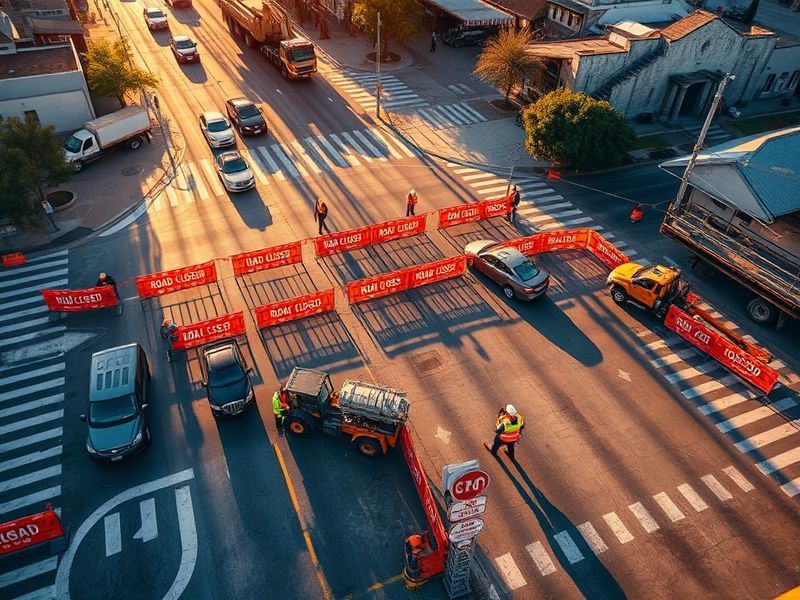
San Antonio, Texas, is a city of contrasts—where historic missions stand alongside modern skyscrapers, and where a vibrant cultural heritage coexists with rapid urban expansion. This dynamic environment, however, often translates into a less glamorous reality: frequent road closures. Whether due to construction, festivals, or infrastructure updates, these closures shape the daily lives of residents and visitors alike, creating a complex web of detours and delays.
The issue of road closures is not unique to San Antonio. Cities worldwide grapple with similar challenges as they balance progress with practicality. In places like Barcelona, Spain, or Tokyo, Japan, roadworks are a constant reminder of the trade-offs between development and accessibility. Yet San Antonio’s approach to managing these closures offers a fascinating case study in urban planning and public communication.
The Reasons Behind San Antonio’s Road Closures
Road closures in San Antonio are rarely arbitrary. They stem from a variety of needs, each reflecting the city’s evolving priorities. The most common reasons include:
- Infrastructure Repairs: Aging roads and bridges require regular maintenance to prevent deterioration. Projects like the recent I-35 expansion in San Antonio highlight the city’s commitment to improving transportation networks.
- Public Events: San Antonio’s calendar is packed with festivals, parades, and sporting events that temporarily halt traffic. The annual Fiesta San Antonio, for example, often necessitates road closures to accommodate celebrations.
- Construction Projects: From new housing developments to commercial complexes, construction is a perpetual presence in the city. Areas like the Pearl District or near the San Antonio River Walk frequently experience closures due to ongoing projects.
- Emergency Situations: Unplanned closures arise from accidents, flooding, or other crises. These incidents underscore the need for adaptive urban infrastructure.
Globally, cities face similar challenges but adopt different strategies. In Berlin, Germany, road closures are often announced well in advance to minimize disruption, while in Mumbai, India, closures are sometimes handled with less coordination due to the sheer scale of urban density. San Antonio’s approach lies somewhere in between—prioritizing communication but occasionally facing logistical hurdles.
The Impact on Residents and Businesses
The ripple effects of road closures extend far beyond mere inconvenience. For residents, detours can add significant time to daily commutes, altering routines and increasing stress levels. Small businesses, particularly those in high-traffic areas, often bear the brunt of closures. A café near a closed street might experience a drop in foot traffic, while delivery services face delays that impact their operations.
Consider the case of the Northside Independent School District, where road closures near schools have sparked discussions about student safety and accessibility. Parents and educators have had to adapt, sometimes adjusting drop-off times or routes to avoid closed roads. This scenario is not unique to San Antonio; in London, UK, roadworks near schools have led to similar debates about balancing progress with community needs.
Businesses in San Antonio’s downtown area have also felt the pinch. Retailers and restaurants rely on foot traffic, and prolonged closures can deter visitors. However, some businesses have turned these challenges into opportunities. Local shops near event zones, for instance, often see a surge in sales during festivals, compensating for temporary losses. This adaptability is a testament to the resilience of San Antonio’s entrepreneurial spirit.
How San Antonio Communicates Closures
Effective communication is key to mitigating the frustrations caused by road closures. The City of San Antonio’s Department of Transportation and Capital Improvements (TransPO) plays a central role in disseminating information. Residents can access real-time updates through the official TransPO website, which provides maps and alerts for ongoing and upcoming closures.
Social media has become an invaluable tool in this effort. Platforms like Twitter and Facebook are used to share timely updates, while apps like Waze crowdsource information from drivers. This multi-channel approach ensures that as many people as possible receive the information they need.
Globally, cities are experimenting with innovative solutions. In Stockholm, Sweden, digital signs display real-time traffic updates, while in Sydney, Australia, closures are integrated into public transit apps. San Antonio’s use of technology reflects a growing trend toward smart urban planning, where data and connectivity play pivotal roles in managing city life.
Looking Ahead: The Future of Road Management in San Antonio
As San Antonio continues to grow, the management of road closures will likely evolve. One promising avenue is the integration of smart city technologies. Sensors and AI-driven systems could predict congestion hotspots, allowing for more efficient rerouting. Additionally, the city’s focus on alternative transportation—such as expanding bike lanes and public transit—may reduce reliance on personal vehicles during closures.
Another critical factor is community engagement. The City of San Antonio has increasingly involved residents in planning processes, seeking feedback on proposed closures and construction timelines. This collaborative approach not only improves transparency but also fosters a sense of shared responsibility among stakeholders.
Globally, cities like Amsterdam and Singapore are leading the way in sustainable urban mobility. Their strategies—prioritizing public transit, pedestrian zones, and green spaces—offer valuable lessons for San Antonio. While the city’s charm lies in its blend of tradition and progress, embracing forward-thinking solutions could transform road closures from a nuisance into a managed aspect of urban life.
A Balanced Perspective
Road closures in San Antonio are more than just temporary inconveniences; they are a reflection of the city’s growth and the complexities of urban living. By understanding the reasons behind closures, their impact on the community, and the tools used to manage them, residents can better navigate these challenges. As San Antonio continues to evolve, so too will its approach to balancing progress with the needs of its people.
In the broader context of global urbanization, San Antonio’s experience serves as a reminder that no city is immune to the trade-offs of development. Yet, with proactive planning and community involvement, these challenges can be met with resilience and ingenuity. The roads may close, but the spirit of San Antonio remains open to the future.