Ver-sur-Mer, a quiet coastal commune in Normandy, France, sits just a few kilometers from the D-Day landing beaches. While Omaha and Utah Beach draw thousands of visitors each year, Ver-sur-Mer remains largely overlooked—despite its pivotal role in the Allied liberation of Europe. The village is home to the British Normandy Memorial, a solemn tribute to the 22,442 British soldiers who died during the Battle of Normandy in 1944. More than just a site of remembrance, Ver-sur-Mer is a place where history, resilience, and natural beauty converge.
The village’s significance often goes unnoticed in the shadow of more famous D-Day landmarks. Yet, its strategic position along the coast made it a key observation point during the invasion. Today, it offers a more intimate, reflective experience for those seeking to understand the human cost of war. The contrast between the tranquil landscape and the weight of its historical legacy creates a powerful atmosphere—one that invites contemplation rather than spectacle.
The British Normandy Memorial: A Tribute Etched in Stone
The British Normandy Memorial, inaugurated in 2021, stands as a stark and moving tribute to the sacrifices made by British forces. Designed by architects Pip Horne and Liam O’Connor, the memorial features a long, curved stone wall inscribed with the names of the fallen. Unlike the more expansive American and Canadian cemeteries, this memorial is uniquely British in its minimalist approach—focusing solely on names and dates without embellishment.
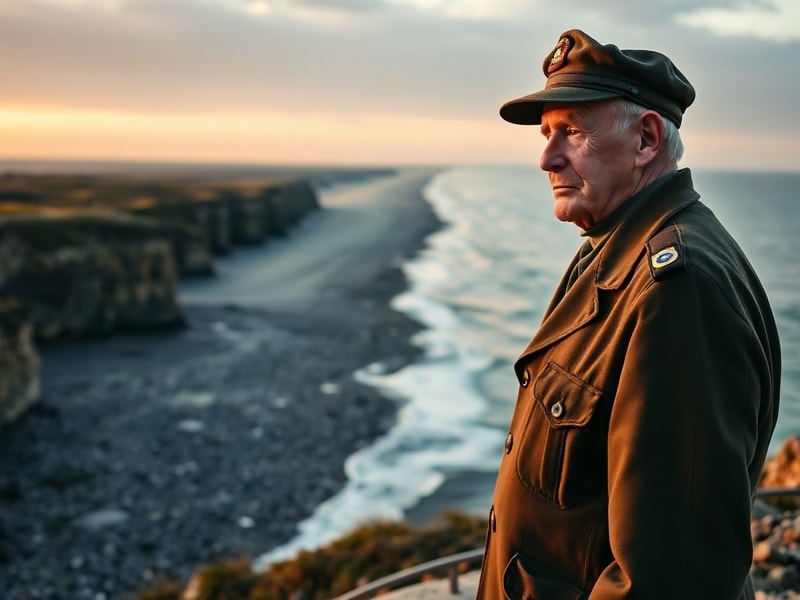
Visitors often describe the experience as deeply emotional. The memorial is situated on a hill overlooking Gold Beach, where British troops landed on D-Day. The view from the site stretches across the English Channel, a reminder of both the distance the soldiers traveled and the home they left behind. The memorial’s design ensures that visitors are constantly reminded of the scale of loss—each name represents a life, a family, and a community forever altered by war.
The memorial’s completion was the result of decades of campaigning by veterans and historians. Its construction faced delays and debates over its location and design, but the final result has been widely praised for its dignity and simplicity. It serves as a counterpoint to the more ornate war cemeteries, offering a different kind of tribute—one that prioritizes substance over spectacle.
A Village Reborn: From Wartime Struggle to Modern Vitality
Ver-sur-Mer’s history stretches back centuries, but its modern identity is inextricably linked to World War II. Before the war, the village was a modest farming and fishing community, its economy tied to the rhythms of the sea. The arrival of Allied forces in June 1944 transformed it into a logistical hub, with troops and supplies moving through its streets. The scars of war were visible for decades, but the village has since undergone a quiet renaissance.
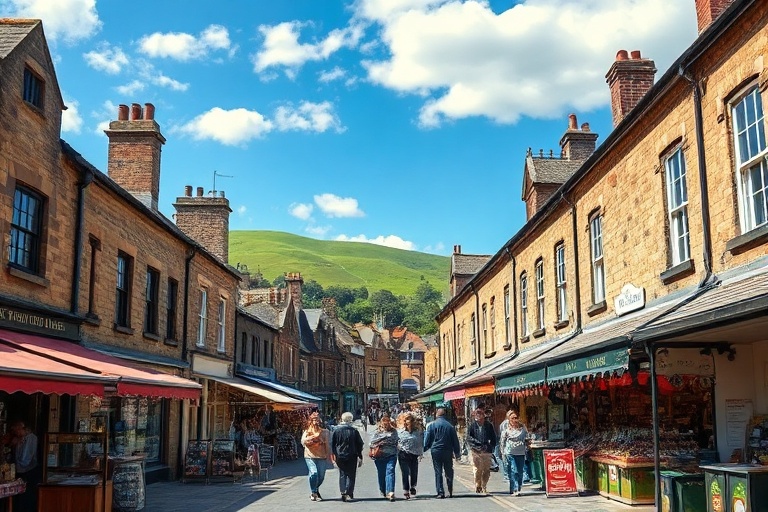
Today, Ver-sur-Mer is a place of renewal. The local economy has shifted toward tourism, with visitors drawn to its beaches, historic sites, and the nearby Juno Beach Centre—a museum dedicated to Canadian forces. The village itself is a charming blend of old and new, with stone houses lining narrow streets and modern cafés catering to travelers. Yet, despite its growth, Ver-sur-Mer retains a sense of authenticity that larger tourist destinations often lack.
One of the village’s most notable features is its beach, a long stretch of golden sand that is far less crowded than its famous neighbors. Locals and visitors alike enjoy its peaceful atmosphere, whether for a morning walk or a quiet afternoon swim. The beach is also home to a monument commemorating the French Resistance, adding another layer to the village’s historical narrative.
Key Attractions in Ver-sur-Mer
- British Normandy Memorial: A solemn tribute to the 22,442 British soldiers who died in the Battle of Normandy. The memorial’s design emphasizes simplicity and reflection.
- Gold Beach: One of the five D-Day landing sites, Gold Beach was the objective of British forces on June 6, 1944. Visitors can walk along the shore and imagine the chaos of the invasion.
- Juno Beach Centre: Located nearby in Courseulles-sur-Mer, this museum offers a Canadian perspective on D-Day and the Battle of Normandy. It’s a must-visit for those interested in Allied cooperation.
- Ver-sur-Mer Church: A 12th-century church with a Romanesque façade, offering a glimpse into the village’s medieval past. The church survived the war and stands as a symbol of resilience.
The Cultural and Educational Impact of Ver-sur-Mer
Ver-sur-Mer’s role in history extends beyond its physical landmarks. The village has become a focal point for educational programs, particularly those aimed at younger generations. Schools from across Europe organize trips to Normandy, using Ver-sur-Mer as a case study in the realities of war. The British Normandy Memorial, in particular, offers guided tours that provide context for the names etched into its walls—stories of bravery, loss, and sacrifice.
The memorial also hosts annual commemorations, including ceremonies on D-Day and Remembrance Day. These events draw veterans, families of the fallen, and dignitaries from the UK and beyond. The presence of living history—whether through veterans’ accounts or personal connections to the names on the memorial—keeps the past vividly alive.
For historians, Ver-sur-Mer offers a unique lens through which to examine the Battle of Normandy. While much attention is given to the American sector at Omaha Beach or the Canadian operations at Juno Beach, Ver-sur-Mer provides insight into the British experience. The memorial’s focus on names rather than individual stories allows visitors to grasp the sheer scale of loss—a reminder that war is not just fought in grand battles but in the quiet, unrecorded moments of everyday lives.
Preserving the Past, Shaping the Future
The challenge for Ver-sur-Mer—and for all sites of historical memory—is balancing preservation with accessibility. The British Normandy Memorial was designed to withstand the test of time, using durable materials like Portland stone to ensure its longevity. Maintenance is an ongoing concern, particularly as visitor numbers gradually increase. Local authorities and historical organizations are working to ensure that the memorial remains a place of dignity and respect.
There are also discussions about expanding educational offerings at the site. Proposals include digital archives where visitors can learn more about individual soldiers, as well as interactive exhibits that contextualize the Battle of Normandy within the broader scope of World War II. These initiatives aim to deepen engagement without compromising the memorial’s solemn purpose.
For the residents of Ver-sur-Mer, the memorial is more than a tourist attraction—it is a part of their community’s identity. Many locals have family ties to the war, whether through ancestors who served or stories passed down through generations. The memorial’s presence has fostered a sense of pride and responsibility, ensuring that the sacrifices of the past are never forgotten.
Looking ahead, Ver-sur-Mer stands as a model for how small communities can honor history while embracing the future. Its blend of remembrance and renewal offers a lesson in resilience—not just for the soldiers who fought here, but for the village itself. As the world moves further from the events of 1944, places like Ver-sur-Mer serve as vital links to the past, reminding us of the cost of freedom and the importance of never forgetting.
Why Ver-sur-Mer Matters Today
In an era where historical memory is often reduced to soundbites and social media posts, Ver-sur-Mer offers something rare: a space for genuine reflection. Its understated memorial, its quiet beaches, and its resilient community provide a counterbalance to the noise of modern life. For travelers seeking more than just a checklist of tourist attractions, Ver-sur-Mer delivers an experience that is both humbling and hopeful.
As we remember the events of D-Day, it’s worth considering the places that don’t make the headlines. Ver-sur-Mer is one of those places—a small village with a powerful story to tell. Its legacy is not in grand monuments or sweeping narratives, but in the names carved into stone and the lives they represent. That is a legacy worth preserving.
For those planning a visit to Normandy, consider stepping off the beaten path. Explore the travel section on Dave’s Locker for more hidden gems, or delve into the history category for deeper insights into the region’s past.