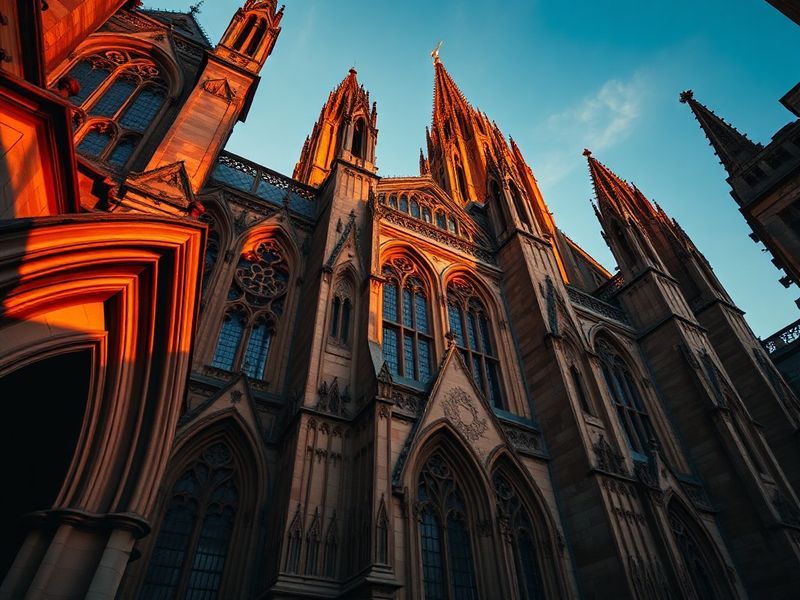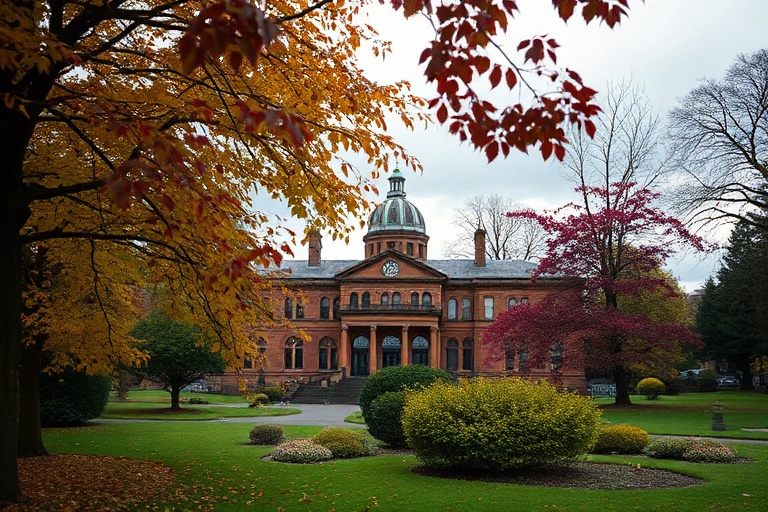
Glasgow, Scotland’s largest city, has long stood as a beacon of creativity, history, and resilience. Once a powerhouse of heavy industry, it has transformed into a vibrant cultural capital, drawing travelers, artists, and investors alike. The city’s ability to reinvent itself while preserving its rich heritage sets it apart on the global stage.
The Evolution of Glasgow: From Shipyards to Creative Hub
Founded by the Celts as a religious site, Glasgow grew into a medieval trading hub before exploding during the Industrial Revolution. Its shipyards once built 25% of the world’s ships, earning it the nickname “Second City of the Empire.” But as industry declined in the 20th century, Glasgow faced economic hardship. Rather than succumbing to decline, the city pivoted toward culture and education.
By the 1990s, Glasgow had reinvented itself as a cultural destination. The opening of the Burrell Collection in 1983 and the transformation of the Clyde shipyards into the Glasgow Science Centre marked the beginning of its modern identity. Today, it ranks among the top 10 most visited cities in the UK, attracting over 4 million visitors annually.
- 1980s–1990s: Shift from industry to culture-driven economy
- 2000s: Investment in museums, galleries, and infrastructure
- 2010s–Present: Rise as a tech and creative industries hotspot
Why Glasgow Stands Out in the 21st Century
Glasgow’s appeal lies in its authenticity. Unlike some cities that prioritize gentrification at the cost of character, Glasgow retains its working-class roots while embracing innovation. Its music scene, from legendary venues like the Barrowland Ballroom to contemporary artists like Paolo Nutini, remains a driving force. Meanwhile, the city’s architecture tells a story of resilience—from the grandeur of George Square to the brutalist beauty of the Red Road Flats.
The city’s universities, including the University of Glasgow and the Glasgow School of Art, foster a thriving student population that fuels creativity. This blend of history, education, and modern enterprise has positioned Glasgow as a leader in sectors like fintech, gaming, and sustainable urban development.
Glasgow’s hosting of major events, such as the 2021 United Nations Climate Change Conference (COP26) side events and the ongoing expansion of its tech incubator programs, further solidifies its role as a global player. The city’s ability to balance tradition with progress makes it a model for urban revitalization worldwide.
Key Factors Behind Glasgow’s Success
Several elements contribute to Glasgow’s continued growth:
- Cultural Infrastructure: Over 30 museums and galleries, including the Kelvingrove Art Gallery and Museum and the Riverside Museum, draw millions of visitors each year.
- Education and Innovation: Home to three major universities, Glasgow produces talent that fuels both local startups and multinational corporations.
- Affordable Living: Compared to London or Edinburgh, Glasgow offers lower costs of living, attracting remote workers and digital nomads.
- Transport and Connectivity: Direct flights to major European cities and an expanding subway system enhance accessibility.
- Community Spirit: Glasgow’s people are fiercely proud of their city, fostering a welcoming yet unpretentious atmosphere.
Looking Ahead: Glasgow’s Future Ambitions
Glasgow’s next chapter may focus on sustainability and digital transformation. The city has pledged to become carbon-neutral by 2030, a goal supported by initiatives like the Glasgow City Innovation District. This 17-hectare development in the city center aims to attract tech and creative businesses, further diversifying the economy.
The gaming industry, in particular, shows promise. Glasgow is already home to developers like Rockstar North (creators of the Grand Theft Auto series) and Remedy Entertainment. As the global gaming market expands, Glasgow’s role as a hub for indie and AAA studios could grow even stronger.
For travelers, Glasgow offers more than just a weekend getaway—it’s a city where history and modernity coexist. Whether exploring the West End’s bohemian cafés, catching a gig at King Tut’s Wah Wah Hut, or admiring the stained glass of the Glasgow Cathedral, visitors leave with a sense of Glasgow’s unique energy.
The broader implications of Glasgow’s success are worth noting. In an era where many cities struggle with inequality and environmental challenges, Glasgow demonstrates that reinvention is possible without erasing identity. Its story serves as a case study for post-industrial cities worldwide, proving that culture and community can be just as powerful as steel and ships once were.
As Glasgow continues to evolve, one thing remains clear: this city is not just on the rise—it’s redefining what it means to be a modern urban center.
For those interested in exploring more about Scotland’s cultural and economic trends, visit our Travel and Culture sections for deeper insights and recommendations.