On September 19, 2021, La Palma, one of Spain’s Canary Islands, became the epicenter of one of the most significant volcanic eruptions in its recorded history. The Cumbre Vieja volcano, dormant for 50 years, awoke with dramatic force, spewing lava, ash, and toxic gases for 85 days. The eruption reshaped the island’s landscape, displaced thousands of residents, and left behind a scarred terrain that will take decades to heal. More than a year later, La Palma is still grappling with the aftermath while simultaneously rebuilding its future.
The eruption was not just a geological event; it was a human crisis. Lava flows destroyed over 1,600 buildings, including homes, farms, and critical infrastructure. The agricultural sector, particularly banana plantations—the island’s economic backbone—suffered catastrophic losses. Roads were buried under molten rock, cutting off entire communities. The psychological toll on residents has been profound, with many still displaced and uncertain about their future.
The Immediate Impact: Destruction and Displacement
The eruption of Cumbre Vieja was relentless. In the first 24 hours alone, lava flows advanced at speeds of up to 700 meters per hour, consuming everything in their path. By the time the eruption ceased on December 13, 2021, more than 1,200 hectares of land had been buried under lava, and over 7,000 people had been evacuated. The total economic damage was estimated at over €900 million, a staggering figure for an island with a population of just 85,000.
The most affected area was the municipality of El Paso, where entire neighborhoods like Todoque were erased from the map. The eruption also severed the island’s main water supply pipeline, leaving thousands without access to clean water for weeks. Emergency response teams worked tirelessly to evacuate residents, but the sheer scale of the disaster overwhelmed local resources. The Spanish government declared the island a disaster zone, unlocking emergency funds and aid.
For many residents, the eruption was a life-altering event. Some lost their homes, their livelihoods, and even family members. The emotional trauma lingers, with many still struggling to come to terms with what happened. Local psychologists and community leaders have been working to provide mental health support, but the road to recovery is long.
Rebuilding Lives and Landscapes
In the year since the eruption, La Palma has focused on two critical tasks: rebuilding infrastructure and restoring the economy. The Spanish government has allocated over €100 million in recovery funds, with additional support from the European Union. One of the most immediate priorities was restoring essential services. Roads have been cleared, new water pipelines laid, and power lines repaired. The island’s airport, which was temporarily closed during the eruption, resumed operations within days, though with reduced capacity.
Agriculture, the lifeblood of La Palma’s economy, has been particularly hard hit. Banana plantations, which cover nearly 5,000 hectares on the island, were devastated by the lava and ash. The Canary Islands’ government has pledged €50 million to help farmers replant and recover their crops. Innovative techniques, such as hydroponic farming, are being explored to make agriculture more resilient to future disasters. The EU’s agricultural subsidies will also play a key role in supporting farmers during this transition.
Tourism, another vital industry for La Palma, took a significant hit. The eruption deterred visitors, and the island’s reputation as a peaceful destination was temporarily overshadowed by images of destruction. However, local tourism boards have launched campaigns to promote La Palma as a place of resilience and natural beauty. The island’s unique landscapes, including its volcanic craters and lush forests, remain a draw for adventurous travelers. The Travel category on Dave’s Locker highlights destinations like La Palma as examples of how tourism can contribute to recovery.
Challenges on the Road to Recovery
Despite the progress, challenges remain. Many displaced residents are still living in temporary housing, unsure when—or if—they will be able to return to their homes. The lava flows have created new land along the island’s western coast, but legal battles over land ownership have delayed development. Environmentalists have also raised concerns about the long-term impact of the eruption on local ecosystems, particularly marine life affected by the lava flowing into the ocean.
The psychological toll on residents cannot be overstated. Studies conducted by the University of La Laguna have found high levels of anxiety and depression among those affected by the eruption. Community support groups have emerged to provide a space for sharing experiences and healing. Local artists and cultural organizations have also played a role in the recovery, using creativity to process trauma and rebuild a sense of identity.
The Future of La Palma: Innovation and Sustainability
La Palma’s recovery is not just about restoring what was lost; it’s about building a more sustainable and resilient future. The island has become a case study in disaster response, with experts from around the world studying its recovery efforts. One of the most promising initiatives is the creation of a new geothermal energy project. The eruption has highlighted La Palma’s potential to harness renewable energy, reducing its dependence on imported fossil fuels. This could not only stabilize the island’s economy but also serve as a model for other volcanic regions.
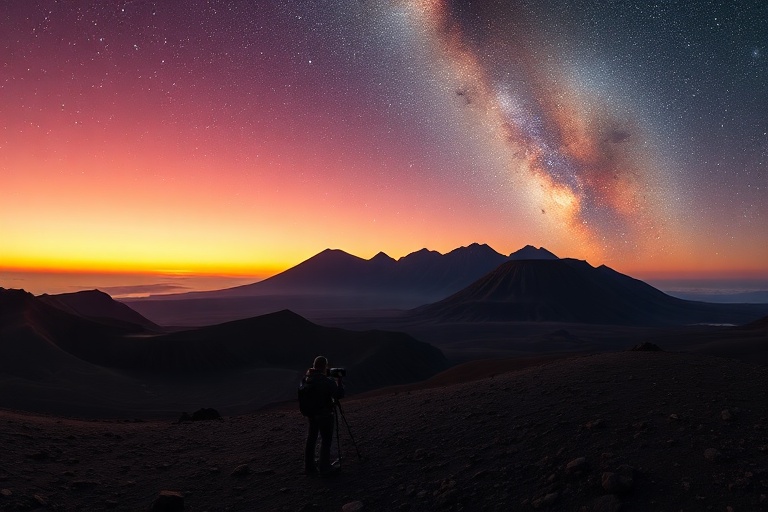
The eruption has also sparked interest in sustainable tourism. La Palma’s designation as a UNESCO Biosphere Reserve in 2002 is now being leveraged to attract eco-conscious travelers. Initiatives like the Science category on Dave’s Locker explore how destinations like La Palma can balance tourism with conservation. Projects such as the rehabilitation of hiking trails and the promotion of stargazing tourism—La Palma is home to one of the world’s best astronomical observatories—are helping to diversify the island’s economy.
Education and research are also playing a key role in La Palma’s recovery. The University of La Laguna has established a research center focused on volcanic activity and disaster preparedness. Students and scientists from around the world are collaborating on projects to better understand the island’s geology and mitigate future risks. This exchange of knowledge is not only advancing science but also fostering a sense of global solidarity.
Lessons for the World
The eruption of Cumbre Vieja was a stark reminder of nature’s unpredictability. It also highlighted the importance of preparedness and community resilience. La Palma’s recovery offers several key lessons for other regions facing similar threats:
- Invest in early warning systems: The eruption was detected months in advance, but the warning system needed to be more robust to prevent casualties and minimize damage.
- Diversify the economy: Relying too heavily on one industry, such as agriculture or tourism, can leave communities vulnerable to disasters. La Palma is now exploring renewable energy and eco-tourism as alternatives.
- Prioritize mental health: The psychological impact of natural disasters is often overlooked. La Palma’s focus on mental health support sets an example for other affected regions.
- Leverage science and innovation: From geothermal energy to sustainable tourism, La Palma is using science to rebuild smarter and more sustainably.
The story of La Palma is one of resilience, innovation, and hope. While the scars of the eruption will remain for generations, the island is slowly healing. Its recovery serves as a testament to the power of community, science, and determination in the face of adversity. As La Palma looks to the future, it does so with a renewed sense of purpose, determined to turn tragedy into an opportunity for growth.
For those interested in following La Palma’s progress or planning a visit to witness its recovery firsthand, the Travel category on Dave’s Locker offers updates and insights into the island’s evolving story.
A Final Thought
La Palma’s journey is far from over, but its resilience offers a powerful message to the world. Natural disasters are inevitable, but the way communities respond and rebuild defines their future. La Palma is not just rebuilding its infrastructure; it’s rebuilding hope, and that might be the most important recovery of all.