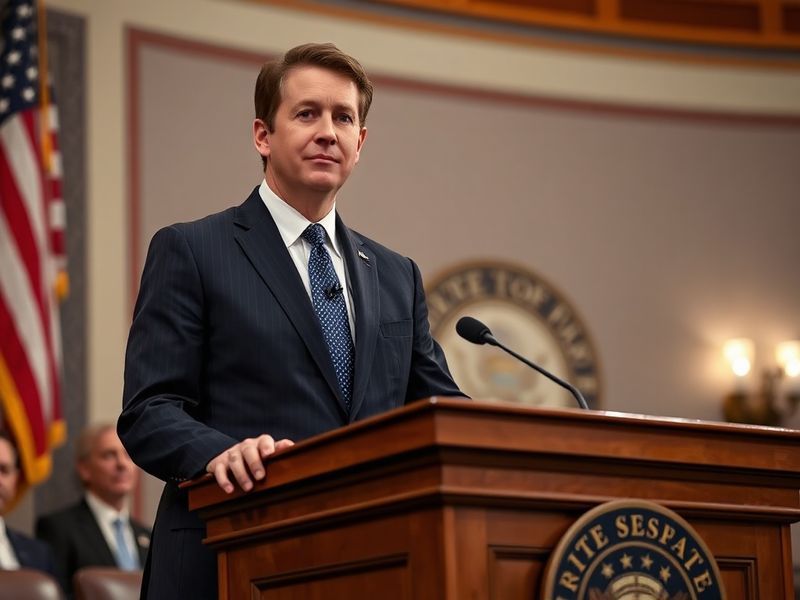
The United States Secretary of Energy occupies a unique position at the intersection of scientific leadership, energy policy, and national security. Appointed by the President and confirmed by the Senate, this cabinet-level official oversees one of the most complex federal agencies: the Department of Energy (DOE). The role demands a blend of technical expertise, political acumen, and strategic foresight, especially as the nation navigates an era of rapid energy transformation and geopolitical volatility.
The DOE’s responsibilities span from managing the country’s nuclear stockpile to funding cutting-edge research in renewable energy. In recent years, the position has gained even greater significance as climate change, energy independence, and technological innovation dominate the national conversation. Understanding the secretary’s role requires examining both the historical context of the position and its evolving priorities in the 21st century.
The Origins and Evolution of the Department of Energy
The Department of Energy was established in 1977 under President Jimmy Carter, born out of a need to consolidate energy-related functions scattered across multiple agencies. The DOE’s creation followed the 1973 oil crisis, which exposed vulnerabilities in the U.S. energy infrastructure and highlighted the need for a unified federal approach to energy policy.
Initially, the DOE focused on managing the nation’s nuclear weapons program, a legacy of the Cold War era. Over time, its mission expanded to include civilian nuclear energy regulation, energy efficiency programs, and scientific research through national laboratories. Today, the DOE operates 17 national laboratories, including the famed Lawrence Livermore and Los Alamos facilities, which have played pivotal roles in both defense and civilian innovation.
The secretary’s role has also evolved in response to global challenges. During the 1990s, the DOE shifted some focus toward environmental cleanup, particularly at former nuclear sites. In the 2000s, the rise of renewable energy and concerns about climate change pushed the DOE to prioritize clean energy technologies. More recently, the secretary has become a key figure in addressing the energy demands of artificial intelligence, electric vehicles, and the broader digital economy.
Key Responsibilities of the U.S. Secretary of Energy
The Secretary of Energy wears many hats, each critical to the nation’s stability and progress. Below are the core areas where this role exerts influence:
- Energy Policy and Innovation: The secretary plays a central role in shaping national energy policy, including setting priorities for renewable energy, fossil fuels, and nuclear power. This often involves balancing competing interests—such as environmental sustainability, economic growth, and energy security.
- Nuclear Security and Nonproliferation: One of the DOE’s most sensitive responsibilities is managing the nation’s nuclear arsenal and preventing the spread of nuclear weapons. The secretary works closely with the Department of Defense, intelligence agencies, and international partners to maintain global security.
- Scientific Research and Development: The DOE funds and oversees groundbreaking research in physics, materials science, and energy technologies. Initiatives like the Advanced Research Projects Agency-Energy (ARPA-E) aim to accelerate innovation in areas like battery storage, fusion energy, and carbon capture.
- Environmental Cleanup: The DOE is tasked with remediating hazardous waste sites, particularly those contaminated by nuclear or chemical waste. This effort is both costly and technically challenging, requiring long-term planning and public accountability.
- Emergency Response: In the event of energy crises—such as cyberattacks on power grids, fuel shortages, or natural disasters—the secretary must coordinate a rapid federal response to minimize disruptions and protect critical infrastructure.
The breadth of these responsibilities means the secretary must collaborate with a wide array of stakeholders, from Congress and the White House to state governments, private industry, and international allies. The position’s success often hinges on the ability to navigate political divides while advancing long-term national interests.
The Secretary’s Impact on National and Global Energy Landscapes
The decisions made by the Secretary of Energy ripple far beyond Washington, D.C. Domestically, the secretary’s policies can determine whether the U.S. meets its climate goals, whether energy costs remain affordable, and whether critical industries—like semiconductor manufacturing or electric vehicle production—have the resources they need to thrive.
Consider the push for clean energy. Under recent administrations, the DOE has allocated billions to solar, wind, and battery technologies, aiming to reduce reliance on fossil fuels and lower greenhouse gas emissions. Programs like the Loan Programs Office have provided loans to companies like Tesla and First Solar, helping scale up industries that were once considered niche. These investments are not just about environmental stewardship; they’re also about economic competitiveness, as China and Europe race to dominate the green energy market.
On the global stage, the secretary’s role in nuclear nonproliferation is equally vital. The U.S. has long championed treaties like the Non-Proliferation Treaty (NPT) and works to prevent rogue states or terrorists from acquiring nuclear materials. The secretary’s diplomatic efforts—such as negotiating with Iran or North Korea—can shape international relations for decades. Meanwhile, the DOE’s research into fusion energy (often called the “holy grail” of clean power) could redefine global energy markets if breakthroughs occur.
Yet, the secretary’s influence isn’t without controversy. Energy policy is inherently contentious, pitting environmentalists against industry groups, progressives against conservatives, and states with different energy portfolios against one another. For example, debates over fracking, offshore drilling, and the Keystone XL pipeline have placed secretaries in the crosshairs of political battles. The secretary must often walk a tightrope, balancing short-term political pressures with the need for long-term solutions.
What It Takes to Serve as Secretary of Energy
The ideal candidate for Secretary of Energy typically possesses a rare combination of expertise and experience. Most appointees have backgrounds in science, engineering, or energy policy, though some come from academia, the military, or private industry. A deep understanding of nuclear physics, for instance, is invaluable given the DOE’s role in managing the nuclear stockpile. Meanwhile, experience in economics or environmental science is increasingly important as the agency pivots toward clean energy.
Political savvy is also essential. The secretary must navigate a complex web of stakeholders, from Congress—which controls the DOE’s budget—to state regulators, utility companies, and environmental advocacy groups. The ability to build coalitions and communicate complex ideas to the public is often as critical as technical knowledge.
Recent secretaries have reflected this diversity of backgrounds. For example, Jennifer Granholm, who served under President Biden, brought experience as Michigan’s governor and a background in law and policy. Her tenure emphasized clean energy transitions, electric vehicle adoption, and workforce development. In contrast, Rick Perry, who served under President Trump, had a background in politics and energy (as a former governor of Texas and a vocal advocate for fossil fuels), highlighting how the role can shift with changing administrations.
Personal qualities matter, too. The secretary must be resilient, capable of weathering intense scrutiny and criticism, especially during energy crises or political scandals. Integrity and transparency are non-negotiable, given the DOE’s handling of sensitive nuclear materials and its stewardship of taxpayer dollars. Ultimately, the role demands a leader who can inspire confidence—not just in Washington, but across the country and around the world.
Conclusion: An Indispensable Steward of America’s Future
The U.S. Secretary of Energy is far more than a bureaucratic figurehead. This position sits at the heart of some of the most pressing challenges and opportunities of our time: climate change, technological innovation, nuclear security, and economic competitiveness. The secretary’s decisions shape how the nation powers its homes, fuels its industries, and protects its citizens—both at home and abroad.
As the energy landscape continues to evolve, the role of the Secretary of Energy will only grow in importance. The push for decarbonization, the rise of new technologies like AI and quantum computing, and the ever-present threat of global instability all demand strong, visionary leadership. In an era where energy is both a source of conflict and a catalyst for progress, the secretary’s work will be pivotal in defining America’s path forward.
For those interested in the intersection of science, policy, and national security, the role of the Secretary of Energy offers a compelling case study in how leadership can drive change. It’s a reminder that behind every major energy breakthrough—or crisis—lies a human decision-maker, navigating a labyrinth of challenges to secure a better future.