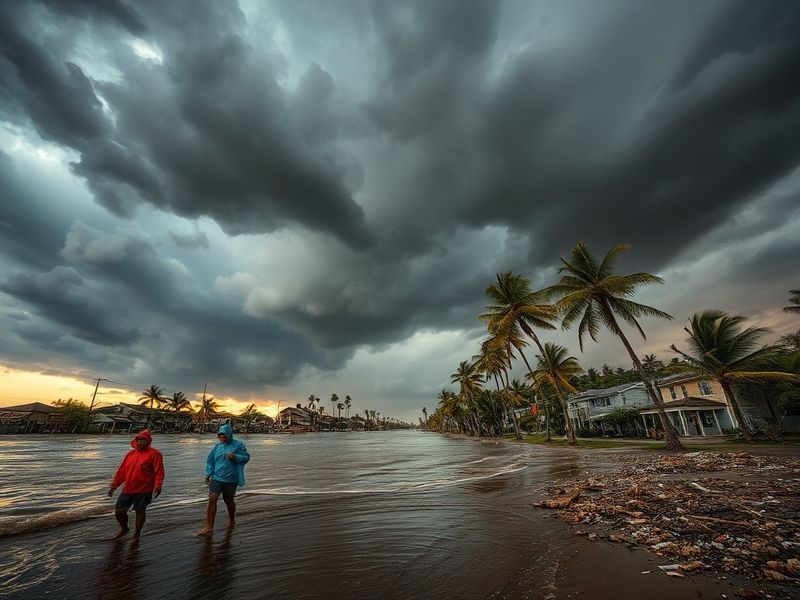
El Niño Explained: Causes, Global Impacts, and Future Risks
“`html
Understanding El Niño: Causes, Effects, and Global Consequences
El Niño is more than an occasional climate anomaly—it is one of Earth’s most powerful natural cycles, capable of reshaping weather patterns across continents. Unlike routine weather events, El Niño emerges from a complex interplay of ocean and atmosphere in the tropical Pacific. Its impacts ripple outward, influencing everything from monsoon rains in India to winter storms in North America. Understanding this phenomenon requires looking beyond surface-level effects and examining the underlying mechanisms that drive it.
The Science Behind El Niño
At its core, El Niño is characterized by the periodic warming of sea surface temperatures in the central and eastern equatorial Pacific Ocean. This warming disrupts the normal atmospheric circulation, weakening the trade winds that typically blow from east to west. Normally, these winds push warm surface water toward the western Pacific, allowing cooler water to rise near South America in a process called upwelling. During El Niño, however, the trade winds slacken or even reverse, reducing upwelling and allowing warm water to spread eastward.
The Southern Oscillation Index (SOI), which measures the difference in air pressure between Tahiti and Darwin, Australia, provides a key indicator of El Niño’s presence. A sustained negative SOI often signals an El Niño event. This atmospheric pressure seesaw, known as the Walker Circulation, weakens during El Niño, altering global weather patterns. The phenomenon is part of a larger cycle called the El Niño-Southern Oscillation (ENSO), which also includes its counterpart, La Niña—a period of cooler-than-average sea surface temperatures.
Key Phases of ENSO
- Neutral Phase: Trade winds are steady, warm water pools in the western Pacific, and upwelling occurs off South America. Weather patterns remain relatively predictable.
- El Niño Phase: Trade winds weaken or reverse, warm water shifts eastward, and global weather patterns become erratic. This phase typically lasts 9-12 months.
- La Niña Phase: Trade winds strengthen, enhancing upwelling and pushing warm water westward. This often leads to wetter conditions in Australia and drier conditions in the southern United States.
Global Weather Disruptions
El Niño’s influence extends far beyond the Pacific, creating a domino effect of weather anomalies worldwide. One of its most notable impacts is on the Atlantic hurricane season. During El Niño, increased wind shear in the Atlantic disrupts hurricane formation, often leading to fewer storms. Conversely, the Pacific experiences heightened tropical cyclone activity, particularly in regions like Hawaii and the southwestern United States.
In South America, El Niño brings heavy rainfall to typically arid regions of Peru and Ecuador, causing flooding and landslides. Meanwhile, Indonesia and Australia often face severe droughts, increasing the risk of wildfires. In North America, the winter jet stream shifts southward, delivering wetter conditions to the southern United States and warmer temperatures to the northern states. These shifts can have profound economic consequences, from agricultural losses to infrastructure damage.
Economic and Agricultural Fallout
The economic toll of El Niño is staggering. Agricultural sectors bear the brunt, as altered rainfall patterns disrupt crop yields. For instance, soybean and corn production in the United States may suffer during El Niño years due to unseasonable warmth or drought. In Indonesia, palm oil plantations face reduced output as drought conditions persist. Fisheries in Peru, which rely on nutrient-rich upwelled waters, experience dramatic declines in anchovy populations, impacting both local economies and global fishmeal markets.
Beyond agriculture, El Niño affects energy markets. Warmer winters in the northern United States reduce demand for heating oil and natural gas, while increased rainfall in California can alleviate drought conditions but also raises the risk of flooding. These fluctuations create volatility in commodity prices and energy markets, influencing everything from gasoline costs to electricity bills.
Long-Term Climate Connections
While El Niño is a natural cycle, some research suggests that climate change may be amplifying its intensity and frequency. A 2023 study published in Nature Reviews Earth & Environment found that extreme El Niño events could become twice as likely by the end of the century if global temperatures continue to rise. Warmer ocean temperatures provide more energy for El Niño to feed on, potentially intensifying its impacts.
This raises critical questions about the future of global climate systems. If El Niño events become more severe, coastal communities may face heightened risks from flooding and erosion. Meanwhile, ecosystems adapted to historical weather patterns could struggle to adapt, leading to biodiversity loss. The interconnected nature of climate systems means that changes in one region can have cascading effects elsewhere, making El Niño a bellwether for broader environmental shifts.
Preparing for the Next Cycle
Mitigating the impacts of El Niño requires proactive planning and adaptive strategies. Governments and organizations can leverage seasonal climate forecasts to anticipate risks and allocate resources accordingly. For example, water management agencies in drought-prone regions can implement conservation measures in advance, while emergency services can prepare for potential flooding in high-risk areas.
On a global scale, international cooperation is essential. The World Meteorological Organization (WMO) and other agencies monitor ENSO conditions closely, providing early warnings to vulnerable regions. These efforts are critical for reducing the human and economic toll of El Niño, particularly in developing nations where resources for adaptation may be limited.
For individuals, awareness is the first step toward resilience. Understanding how El Niño influences local weather patterns can help communities make informed decisions, from planting drought-resistant crops to reinforcing infrastructure. While we cannot control the cycle itself, we can reduce its impact through preparedness and innovation.
Actionable Steps for Communities
- Monitor Forecasts: Stay updated on ENSO conditions through reliable sources like the National Oceanic and Atmospheric Administration (NOAA) or the Australian Bureau of Meteorology.
- Diversify Agriculture: Encourage crop diversification to hedge against weather-related losses.
- Improve Infrastructure: Invest in flood defenses, water storage systems, and resilient building designs.
- Strengthen Early Warning Systems: Enhance communication networks to ensure timely alerts for extreme weather events.
- Promote Conservation: Implement water conservation measures to mitigate drought impacts.
El Niño is a reminder of nature’s complexity and power. While it poses significant challenges, it also offers an opportunity to rethink our relationship with the environment. By understanding its mechanisms and preparing for its impacts, we can build a more resilient future—one that balances adaptation with sustainability.
For more insights into climate phenomena and their broader implications, explore our Science and Environment categories on Dave’s Locker. These resources provide in-depth analysis and expert perspectives on the forces shaping our planet.