Artemis 3: NASA’s 2026 Moon Mission Explained
“`html
Artemis 3: NASA’s Mission to Return Humans to the Moon
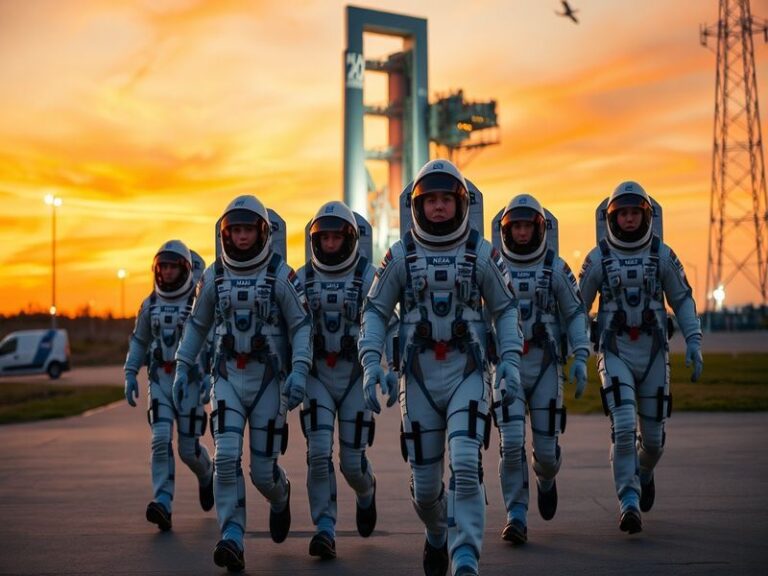
NASA’s Artemis program represents a bold new chapter in human space exploration, with Artemis 3 serving as its most ambitious milestone yet. Scheduled for launch no earlier than September 2026, this mission aims to land the first humans on the lunar south pole—a region rich in scientific potential and untapped resources. Unlike the Apollo missions of the 1960s and 70s, Artemis 3 is designed to establish a sustainable human presence on the Moon, paving the way for future deep-space missions to Mars and beyond.
The Scientific and Strategic Importance of Artemis 3
The lunar south pole has emerged as a focal point for modern lunar exploration due to its permanently shadowed craters, which may contain water ice. This ice could be crucial for producing drinking water, oxygen, and rocket fuel, making it a potential cornerstone for a future lunar economy. Artemis 3 will send astronauts to explore these permanently shadowed regions, collecting samples and conducting experiments that could answer long-standing questions about the Moon’s formation and the solar system’s early history.
Beyond its scientific value, Artemis 3 holds strategic significance for the United States and its international partners. By returning humans to the Moon, NASA aims to demonstrate technological leadership while fostering collaboration through the Artemis Accords—a set of principles for peaceful and cooperative space exploration. Countries like Canada, Japan, and the European Union have already signed on, contributing technology and expertise to the mission.
Key Objectives of Artemis 3
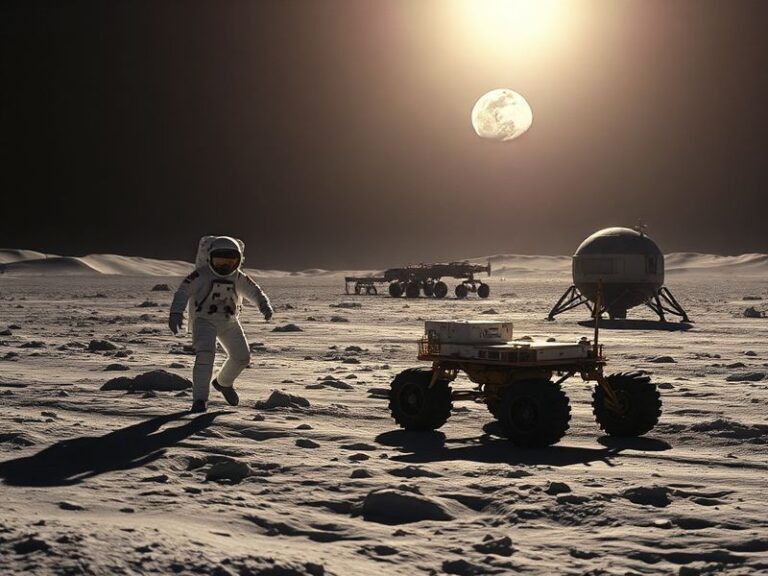
- Lunar Landing: The mission will use SpaceX’s Starship Human Landing System (HLS) to transport two astronauts to the lunar surface, marking the first crewed lunar landing since Apollo 17 in 1972.
- Surface Operations: Astronauts will conduct up to four moonwalks, deploying scientific instruments, collecting samples, and testing technologies for future missions.
- Lunar Gateway Integration: While Artemis 3 will not initially use the Lunar Gateway—a small space station orbiting the Moon—future missions will rely on it for crew transfers and logistics.
- Sustainability Focus: The mission is part of NASA’s broader goal to establish a sustainable human presence on the Moon, including the Artemis Base Camp by the end of the decade.
The Technological Challenges and Innovations
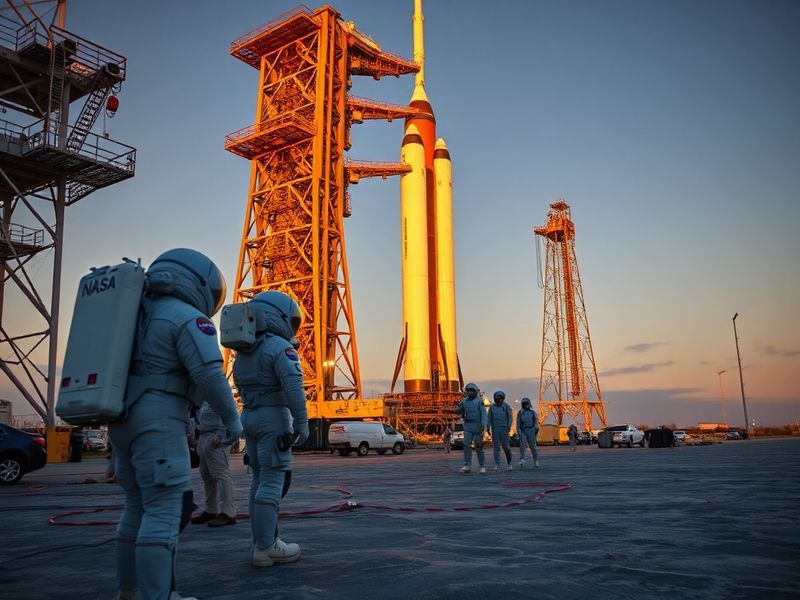
Artemis 3 is not just a repeat of the Apollo missions; it is a testbed for next-generation technologies that will redefine human spaceflight. One of the most critical innovations is the Space Launch System (SLS), NASA’s most powerful rocket since the Saturn V. The SLS will carry the Orion spacecraft, which includes upgrades like advanced life support systems and a radiation shield to protect astronauts during the deep-space journey.
The lunar lander itself is another groundbreaking element. SpaceX’s Starship HLS is a fully reusable spacecraft designed to land softly on the Moon’s surface and return astronauts to lunar orbit. Unlike the Apollo Lunar Module, which was discarded after use, Starship HLS is intended for multiple missions, reducing costs and increasing efficiency. However, the lander has faced scrutiny over its development timeline and technical hurdles, including the challenges of refueling in orbit—a critical requirement for its operation.
Communication and navigation present additional challenges. The Moon’s south pole is a rugged, uneven terrain with long periods of darkness, making real-time communication with Earth difficult. NASA is addressing this with a network of lunar satellites, including the Lunar Reconnaissance Orbiter and future commercial missions, to ensure continuous connectivity and precise navigation.
Broader Implications for Space Exploration and Humanity
Artemis 3 is more than a single mission; it is a stepping stone toward a new era of space exploration. By returning to the Moon, humanity is not only revisiting its past but also laying the groundwork for future endeavors, including crewed missions to Mars. The technologies and scientific discoveries from Artemis 3 will inform the design of habitats, life support systems, and propulsion methods needed for the journey to the Red Planet.
The mission also has profound cultural and economic implications. The Apollo program inspired generations of scientists, engineers, and dreamers, and Artemis 3 is poised to do the same. By involving commercial partners like SpaceX and international collaborators, NASA is fostering a new model of space exploration that balances government funding with private innovation. This approach could accelerate technological advancements and reduce the cost of space travel, making it more accessible to a broader audience.
Moreover, Artemis 3 could reignite public interest in space exploration at a time when humanity faces pressing challenges on Earth. The mission serves as a reminder of what can be achieved through collaboration, ingenuity, and perseverance—a message that resonates far beyond the realm of science.
What Comes Next?
While Artemis 3 is the immediate focus, the Artemis program is designed to be a sustainable effort. Following this mission, NASA plans to launch Artemis 4, which will deliver the Lunar Gateway’s first two modules and expand the crew’s capabilities. Subsequent missions will build the Artemis Base Camp, a permanent outpost near the lunar south pole, enabling longer stays and more extensive research.
The success of Artemis 3 will hinge on overcoming technical challenges, managing risks, and maintaining public and political support. However, if achieved, it will mark a historic milestone—one that unites humanity under the banner of exploration and sets the stage for the next giant leap: sending humans to Mars.
For those eager to follow the mission’s progress, Dave’s Locker Technology section offers updates on aerospace developments, while the Science category provides deeper analysis on the mission’s scientific goals.
As we stand on the precipice of this new era, Artemis 3 represents more than a return to the Moon; it is a testament to human curiosity and our unyielding drive to explore the unknown.