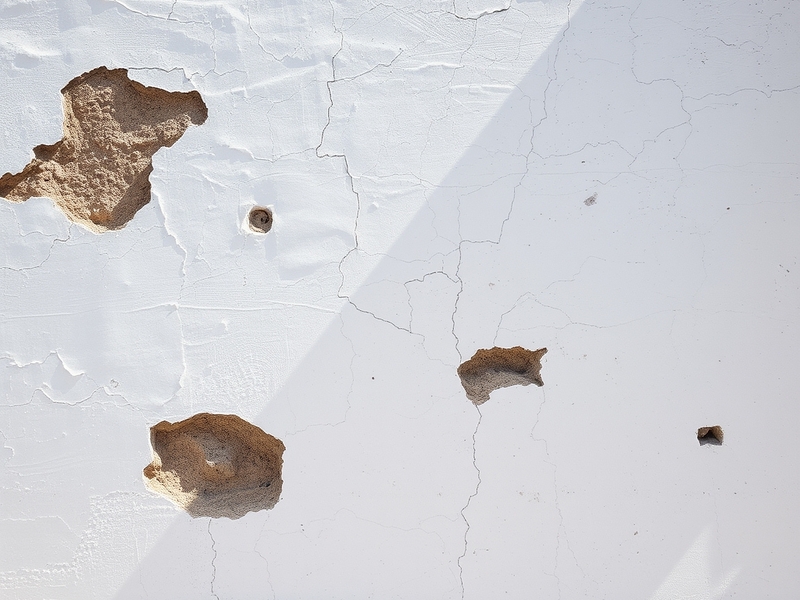
Paredes, a term that resonates differently across languages and contexts, carries layers of meaning that extend far beyond its literal translation. In Portuguese and Spanish, the word translates directly to “walls,” yet its cultural and artistic implications stretch into realms of architecture, social commentary, and even personal expression. The concept of paredes is not merely about physical barriers but about what those barriers represent—isolation, protection, boundaries, or the spaces where creativity and resistance thrive.
The cultural significance of paredes in urban landscapes
In many Latin American cities, paredes are far more than structural elements; they are canvases for public art and protest. The tradition of muralism, deeply rooted in Mexican culture with figures like Diego Rivera, finds its modern expression on the concrete facades of São Paulo, Rio de Janeiro, and Buenos Aires. These painted walls transform urban decay into vibrant storytelling, turning blank spaces into political manifestos or celebrations of local identity.
Consider the favelas of Rio, where paredes double as both literal and figurative boundaries—separating wealth from poverty, safety from danger. Yet, artists and residents reclaim these walls through cultural movements that challenge societal divisions. The murals often depict figures from Afro-Brazilian history or scenes of resilience, turning what were once symbols of exclusion into beacons of pride. This duality—walls as both barriers and bridges—highlights how paredes can embody the contradictions of urban life.
The rise of street art festivals, such as São Paulo’s Vitrine da Arte, underscores how paredes have become central to contemporary cultural dialogues. These initiatives invite artists to reimagine public spaces, fostering community engagement and challenging traditional perceptions of art’s accessibility. In this way, paredes are not just static structures but dynamic participants in the social fabric.
Paredes in architecture: Between form and function
Architecturally, paredes serve as the skeletal framework of any structure, defining spaces and controlling light, temperature, and sound. Yet their design can also reflect deeper philosophical or aesthetic choices. In Brutalist architecture, for example, paredes are left raw and unadorned, their concrete surfaces emphasizing raw functionality and austerity. This style, which flourished in the mid-20th century, was a reaction against ornamentation, prioritizing the purity of form and material.
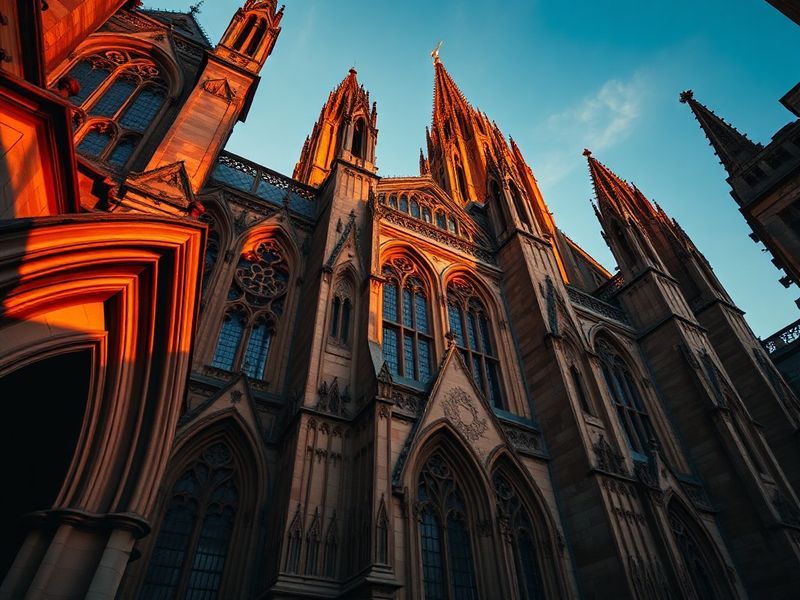
Contrast this with the ornate paredes of Baroque churches in Europe, where every inch is carved with intricate details meant to inspire awe and devotion. Here, paredes become instruments of emotional manipulation, guiding the viewer’s gaze upward toward the divine. The contrast between these two approaches—one stripped of embellishment, the other drowning in it—reveals how paredes can shape not just physical spaces but human experiences within them.
In sustainable design, paredes take on another role: as regulators of energy efficiency. Green walls, or living paredes, are integrated into modern buildings to improve air quality, reduce urban heat islands, and lower energy costs. These living structures blur the line between architecture and ecology, proving that paredes can be both functional and environmentally conscious. As cities grapple with climate change, such innovations highlight the evolving role of paredes in balancing human needs with ecological responsibility.
Key considerations in parede design
- Material choice: From brick to glass, the material of a parede affects its durability, insulation, and aesthetic appeal.
- Structural integrity: Load-bearing paredes must support the building, while non-load-bearing paredes can be more flexible in design.
- Acoustic properties: In spaces like concert halls or offices, paredes must be designed to control sound transmission.
- Cultural context: The meaning of paredes can vary widely depending on their location and the communities they serve.
The metaphorical weight of paredes in society
Beyond their physical presence, paredes carry profound metaphorical weight. They symbolize the boundaries we construct—between people, ideas, and nations. The Berlin Wall, for instance, was a physical manifestation of ideological division, but its fall became a global symbol of unity and the collapse of oppressive systems. Similarly, the Great Wall of China, while initially a defensive structure, later evolved into a cultural icon representing resilience and ingenuity.
In literature and film, paredes often serve as metaphors for isolation or confinement. In Gabriel García Márquez’s One Hundred Years of Solitude, the town of Macondo is surrounded by an invisible parede, a metaphor for the cyclical nature of history and the inescapable fate of its inhabitants. This literary device underscores how paredes can represent both protection and imprisonment, depending on one’s perspective.
In the digital age, paredes have taken on new meanings. Firewalls and digital barriers protect data but also create echo chambers, reinforcing societal divisions. The metaphor of the “digital parede” invites us to question how technology, while connecting us globally, can also isolate us within algorithmically curated realities. This duality forces us to confront the paradox of modern connectivity: the more we build bridges, the more we erect walls.
Paredes as a canvas for resistance and expression
In recent years, paredes have become powerful tools for marginalized communities to assert their presence and demand change. The Zapatistas in Mexico famously used paredes to spread their messages of indigenous rights and autonomy. Similarly, the #BlackLivesMatter movement has seen paredes transformed into memorials and calls to action, turning them into sites of collective grief and resistance.
This trend is not limited to political activism. In the world of music, paredes have hosted impromptu concerts and performances, becoming stages for spontaneous creativity. In Lisbon, for example, the Bairro Alto district is known for its vibrant street performances, where paredes double as backdrops for musicians and artists. These moments of cultural expression highlight how paredes can foster community and provide a voice to those who might otherwise go unheard.
Artists like Banksy have elevated the concept of paredes into a global phenomenon, using them as platforms for satirical commentary on society. His works, often appearing overnight on unexpected surfaces, challenge viewers to confront uncomfortable truths. Whether critiquing capitalism, war, or surveillance, these pieces prove that paredes are not just passive structures but active participants in public discourse.
The enduring appeal of paredes lies in their versatility. They can be barriers, canvases, metaphors, or even ecological solutions. Their significance spans centuries and cultures, adapting to the needs and values of each era. As we move forward, the challenge will be to use paredes not just as tools of division but as bridges—between people, ideas, and the natural world. Whether through art, architecture, or activism, paredes will continue to shape our world, one brick at a time.