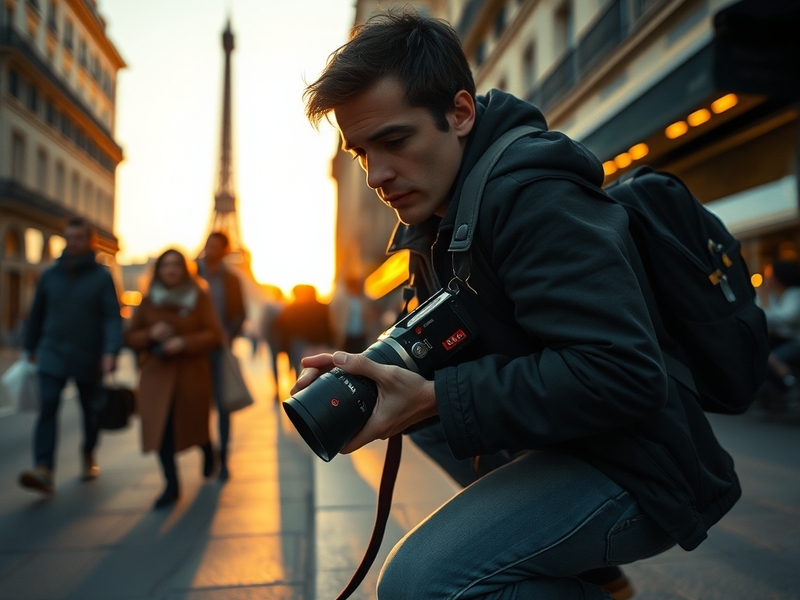
Capturing Moments: The Enduring Power of Photography
Photography remains one of humanity’s most transformative inventions, bridging gaps between cultures, eras, and perspectives. From the earliest daguerreotypes to today’s AI-enhanced smartphone snaps, the medium has evolved from a scientific curiosity into a universal language. Its influence stretches beyond personal memories into journalism, art, science, and even social change. At its core, photography is about freezing time—preserving a glance, a landscape, or a fleeting emotion in a way that words alone cannot.
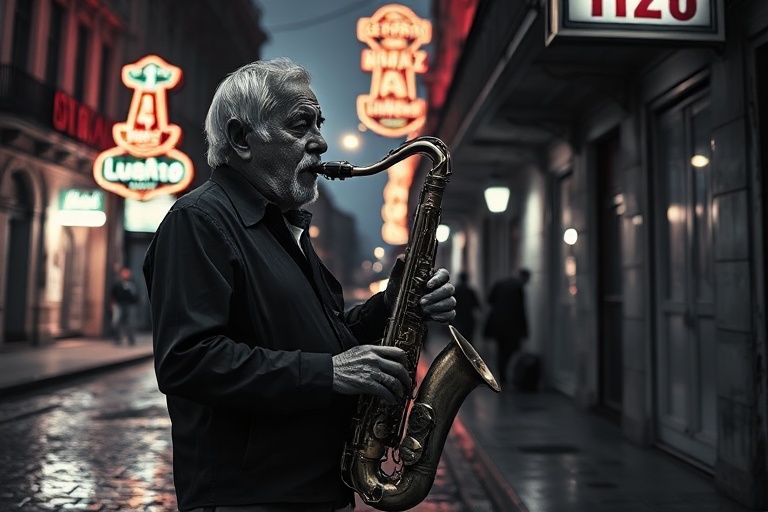
Globally, photography reflects both shared human experiences and distinct cultural identities. A street photographer in Tokyo might capture the neon glow of Shibuya Crossing, while a documentary maker in Nairobi documents the resilience of local communities. These images do more than entertain; they educate, challenge perceptions, and foster empathy. In an age where misinformation spreads rapidly, photography’s role as a visual record has never been more critical. Yet, it also faces challenges—from ethical dilemmas in photojournalism to the oversaturation of social media imagery.
The Evolution of an Art Form
The story of photography is one of relentless innovation. When Joseph Nicéphore Niépce produced the first permanent photograph in 1826—View from the Window at Le Gras—he couldn’t have predicted how the medium would democratize over time. By the late 19th century, Kodak’s slogan, “You press the button, we do the rest,” put cameras into the hands of everyday people, sparking a photographic revolution.
Technological advancements accelerated in the 20th century. The 35mm film camera became a staple for professionals and hobbyists alike, while Polaroid’s instant photography brought spontaneity to snapshots. The digital revolution of the 1990s and 2000s shattered barriers further. Suddenly, photographers could shoot thousands of images without film costs, edit them instantly, and share them globally. Today, smartphones have made photography accessible to billions, with social platforms turning users into both creators and consumers.
Yet, this evolution hasn’t been without friction. Purists argue that digital photography lacks the “soul” of film, while others celebrate its flexibility. Meanwhile, AI-generated images and deepfake technology are raising new questions about authenticity. Where does the line between reality and manipulation lie? The answer may define the next chapter of photography.
Photography as a Tool for Change
Beyond aesthetics, photography has long been a catalyst for social and political movements. During the Great Depression, Dorothea Lange’s Migrant Mother became an icon of resilience, humanizing the economic crisis for millions. In the 1960s, Malcolm Browne’s photograph of a Buddhist monk’s self-immolation in Vietnam galvanized opposition to the war. More recently, images from the Syrian conflict and the Black Lives Matter protests have amplified voices that might otherwise go unheard.
Photojournalism thrives on urgency, often risking everything to document conflict, poverty, and injustice. Organizations like News rely on these visuals to inform public discourse. Yet, the power of these images also carries ethical weight. Should photographers intervene in crises they document? How do they balance truth with respect for subjects? These questions underscore the responsibility that comes with the camera.
Documentary photography, too, plays a vital role in preserving cultural heritage. Projects like Sebastiao Salgado’s Workers or Edward Burtynsky’s industrial landscapes reveal the intersections of humanity and environment. In a world where traditions fade and landscapes transform, photography becomes an archive of collective memory.
The Business of Images: From Hobby to Industry
Photography is no longer just an art—it’s a multi-billion-dollar industry. Stock photography platforms like Shutterstock and Getty Images supply businesses with ready-made visuals, while commercial photographers command high fees for advertising campaigns. The rise of influencers has turned Instagram and TikTok into lucrative markets, where a single post can earn thousands.
However, this commercialization has created challenges. The oversupply of images has devalued many photographers’ work, forcing them to diversify into workshops, presets, or patreon-style subscriptions. Meanwhile, AI tools like Midjourney and DALL·E are disrupting traditional markets, generating photorealistic images from text prompts. Will these tools enhance creativity or replace human photographers? The debate is fierce.
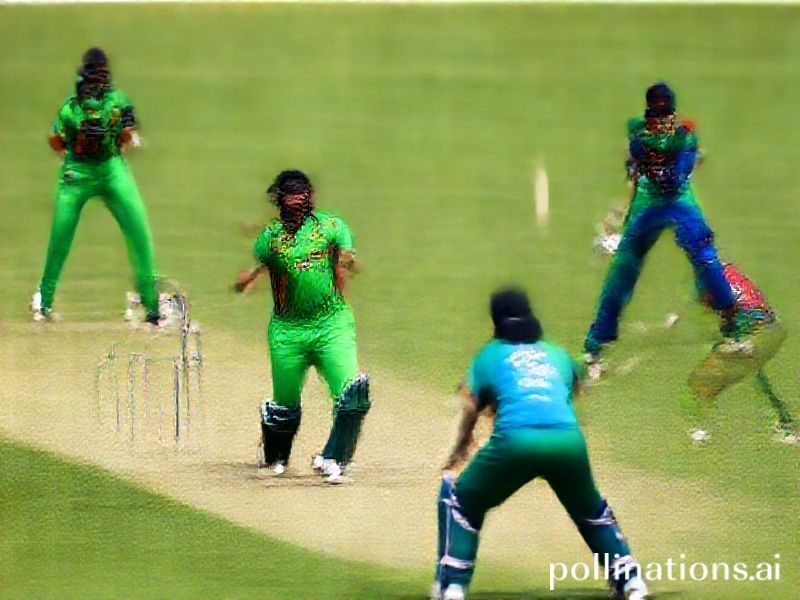
For professionals, specialization often determines success. Wedding photographers, sports shooters, and fashion photographers each cater to distinct niches. Sports photography, for instance, demands split-second timing and technical precision, often in high-pressure environments. The best sports photographers don’t just capture action—they tell stories within the frame, whether it’s the exhaustion of a marathon runner or the triumph of a last-minute goal.
Cultural Perspectives: How the World Sees Through Lenses
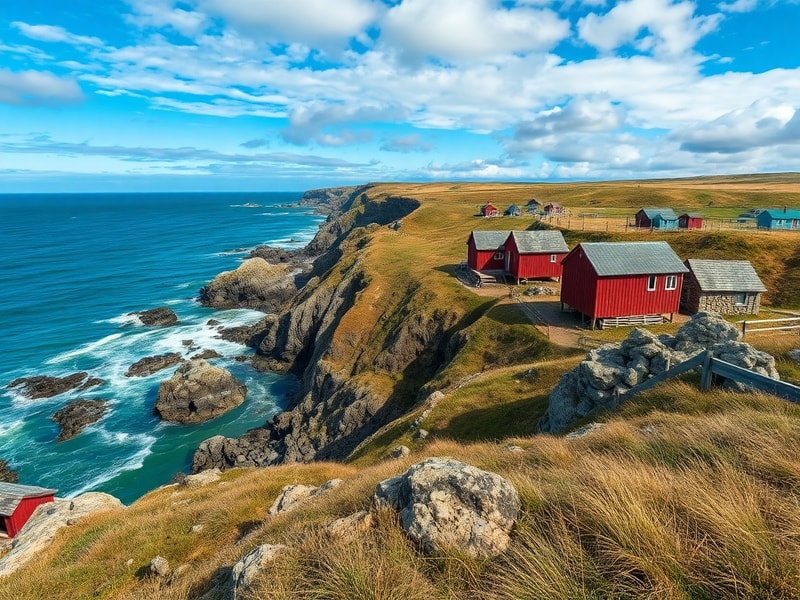
Photography’s cultural impact varies wildly across the globe. In Japan, the concept of komorebi—the interplay of light and leaves—inspires photographers to seek beauty in fleeting moments. In West Africa, portrait photographers like Malick Sidibé have documented post-colonial identity and youth culture with vibrant spontaneity. Meanwhile, in Scandinavia, a minimalist aesthetic dominates, with photographers favoring stark landscapes and muted tones.
Religious and ceremonial photography also holds deep significance. In India, wedding photographers blend traditional rituals with modern styles, creating a visual tapestry of love and tradition. In the Middle East, photojournalists navigate strict censorship laws to reveal hidden truths. These regional differences highlight how photography adapts to—and sometimes challenges—local norms.
Social media has further diversified photographic expression. Platforms like Instagram and Flickr allow photographers to bypass traditional gatekeepers, building global audiences. Hashtags like #StreetPhotography or #WildernessWednesday connect niche communities, fostering collaboration and critique. Yet, the pressure to create “Instagram-worthy” content can also homogenize styles, pushing photographers toward trends rather than authenticity.
The Future: Challenges and Opportunities
The next decade will test photography’s adaptability. On one hand, emerging technologies promise new frontiers. Computational photography—used in iPhone’s Night Mode or Google’s HDR+—enhances low-light images through AI. Drones capture aerial perspectives once reserved for helicopters, while 360-degree cameras offer immersive experiences. Virtual reality (VR) and augmented reality (AR) are blurring the lines between photography and other media.
On the other hand, ethical dilemmas loom large. Deepfakes and AI-generated portraits threaten to erode trust in visual media. Governments and tech companies are scrambling to regulate these tools, but the genie is already out of the bottle. Meanwhile, the environmental cost of photography—from lithium mining for cameras to e-waste from obsolete devices—demands sustainable solutions. Some photographers are turning to film as a low-impact alternative, while others advocate for carbon-neutral shoots.
The democratization of photography shows no signs of slowing. Tools like Adobe Lightroom and free editing apps put professional-grade capabilities into the hands of amateurs. Yet, the sheer volume of images flooding the internet risks diluting their impact. How will photographers stand out in a sea of visual noise? The answer may lie in storytelling—crafting narratives that resonate beyond the frame.
The Role of the Photographer in the 21st Century
As photography evolves, so too does the role of the photographer. No longer just a technician behind the lens, they must now be storytellers, editors, and even activists. The most compelling contemporary photographers blend technical skill with cultural insight, using their work to bridge divides or expose injustices.
For aspiring photographers, the path forward requires adaptability. Mastering both analog and digital techniques can offer a competitive edge. Building a personal brand—through websites, newsletters, or social media—has become essential. Networking within communities, whether online or at local meetups, can open doors to collaborations and mentorship.
Ultimately, photography’s greatest strength lies in its ability to connect. A single image can transcend language, geography, and time. Whether it’s a child’s smile in a refugee camp or the quiet beauty of a desert at dawn, these moments remind us of our shared humanity. In an era of division, photography remains a unifying force—one frame at a time.