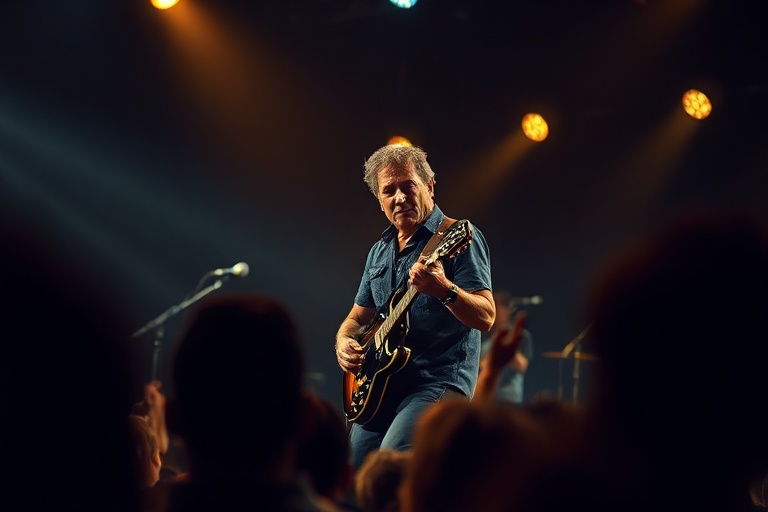
Sara Skinner’s rise in the indie music scene over the past two years has quietly reshaped expectations for what an emerging artist can achieve without mainstream backing. Unlike many contemporaries who chase viral moments, Skinner’s success has unfolded through deliberate craftsmanship and a refusal to compromise her artistic vision. From her debut EP Paper Crowns in 2022 to her full-length release Tides That Carry earlier this year, her work has carved a distinct path—one that prioritizes lyrical depth and sonic experimentation over algorithmic optimization.
What sets Skinner apart isn’t just the quality of her recordings, but the way she has cultivated a community around her music. While streaming platforms often reward fleeting attention, Skinner’s fanbase has grown organically, driven by word-of-mouth and intimate live performances. This approach mirrors the DIY ethos of earlier generations of artists but adapts it for an era where digital noise can drown out authenticity. Her concerts, frequently held in small venues or unexpected spaces, emphasize connection over scale—a deliberate choice that challenges the current industry obsession with stadium-sized spectacles.
Early Influences and Artistic Evolution
Skinner’s musical foundation was built on an unlikely mix of jazz, folk, and experimental electronic music. Growing up in Portland, Oregon, she spent her teenage years absorbing the city’s vibrant underground scene, where punk venues and jazz clubs existed side by side. This eclectic upbringing left a lasting imprint on her songwriting, which often blends raw emotional storytelling with intricate instrumental arrangements.
Her first public performances were as a teenager, singing in local cafés and open-mic nights. By her early 20s, she had begun recording demos in a makeshift studio above a record store, where she learned to produce her own music. This hands-on experience proved invaluable when she released Paper Crowns, an EP that showcased her ability to merge lo-fi intimacy with polished production. Critics took notice, praising her ability to balance vulnerability with technical precision.
The transition from EP to full-length album presented new challenges. For Tides That Carry, Skinner collaborated with a rotating cast of musicians, including a string quartet and a jazz percussionist, to expand her sound. The result was an album that felt both expansive and intimate—a rare feat in an era where overproduction often obscures emotional resonance. Her lyrics, drawn from personal journals, explore themes of displacement, resilience, and the quiet revolutions that shape individual lives.
The Business of Art Without Compromise
Skinner’s career trajectory offers a case study in how artists can thrive outside traditional industry structures. While many musicians rely on record labels for distribution and marketing, she has maintained creative control by self-releasing her music and leveraging direct-to-fan platforms. Her approach isn’t about rejecting industry support altogether but about choosing partnerships that align with her values.
One key to her strategy has been transparency. Skinner frequently shares behind-the-scenes content on social media, from studio sessions to handwritten lyric sheets, giving fans a sense of ownership in her artistic journey. This level of access fosters loyalty, turning casual listeners into invested supporters who are more likely to buy merchandise or attend multiple shows.
Her live performances are another cornerstone of her model. Instead of chasing high-profile festival slots, she curates her own tours, often partnering with local artists and venues to create shared experiences. These events aren’t just about selling tickets; they’re about building ecosystems where music and community intersect. For example, during her 2023 tour, she invited openers from each city to join her onstage for a collaborative cover, turning each show into a unique event.
The financial side of her career is equally instructive. By diversifying her income streams—through vinyl pressings, Patreon exclusives, and sync licensing—Skinner has insulated herself from the volatility of streaming royalties. This isn’t just a survival tactic; it’s a reimagining of what it means to be a professional musician in the 21st century.
- Self-reliance: Skinner produces, records, and releases her own music, ensuring her artistic vision remains intact.
- Community-first: Her fanbase grows through genuine engagement, not algorithmic manipulation.
- Live as legacy: Touring focuses on connection, not scale, reinforcing the value of shared experiences.
- Diversified revenue: Income comes from multiple sources, reducing dependence on any single platform.
Broader Implications for the Music Industry
Skinner’s success isn’t an isolated phenomenon; it reflects a growing disillusionment with the traditional music industry’s reliance on viral hits and short-term attention spans. In an era where platforms like TikTok and Instagram prioritize fleeting trends, artists like Skinner demonstrate that sustainable careers can still be built on substance. Her model challenges the notion that artists must sacrifice authenticity for reach, offering an alternative path that prioritizes depth over virality.
This shift has broader implications for how we consume music. As streaming platforms continue to dominate, the algorithms that dictate discovery often favor artists who can game the system—whether through dance challenges or manufactured personas. Skinner’s career suggests a counter-movement: one where listeners actively seek out artists whose work resonates on a personal level, rather than one that merely occupies their attention for a few seconds.
The rise of independent platforms like Bandcamp and Patreon has also played a role in enabling this kind of career. These tools allow artists to monetize their work without relying on traditional gatekeepers, democratizing access to audiences. For Skinner, this has meant retaining creative control while still reaching listeners who crave something beyond the algorithm’s echo chamber.
Yet challenges remain. The DIY route demands relentless self-promotion, which can be exhausting and unsustainable for some artists. Skinner’s ability to balance creativity with business acumen sets her apart, but it also highlights the need for systemic changes—such as better compensation for creators and more transparent revenue-sharing models—to support artists who choose this path.
Her work also raises questions about the future of live music. As venues struggle to remain viable and touring becomes increasingly expensive, artists must innovate to keep audiences engaged. Skinner’s focus on intimacy and collaboration offers a blueprint, but it requires a shift in how venues, fans, and artists interact. The goal isn’t just to fill seats; it’s to create experiences that foster loyalty and long-term growth.
What Comes Next for Sara Skinner
With Tides That Carry receiving critical acclaim and her fanbase continuing to expand, Skinner is poised for her most ambitious project yet: a concept album that explores the intersection of climate change and human resilience. Drawing from her experiences traveling along the Pacific Northwest coast, the project will blend field recordings with original compositions, creating an immersive soundscape that reflects the urgency of its themes.
She’s also planning a series of residencies in smaller cities, where she’ll collaborate with local musicians and environmental activists to create site-specific performances. These events will not only showcase her music but also highlight the role of art in addressing societal challenges. It’s a bold step, but one that aligns with her belief in music as a force for change.
Looking ahead, Skinner’s trajectory suggests that the future of the music industry may not belong to the loudest voices, but to those who can balance craftsmanship with authenticity. Her career is a reminder that success isn’t measured solely in streams or sales, but in the connections forged between artist and audience. In an era of digital overload, that kind of human connection is becoming increasingly rare—and increasingly valuable.
For fans and fellow musicians alike, Skinner’s journey offers a compelling alternative to the status quo. It’s a testament to the power of perseverance, creativity, and the unshakable belief that art matters, even when the world isn’t watching.