Comparing Austin, Texas to Portland, Oregon often feels like contrasting two entirely different philosophies of urban life. These cities sit at opposite ends of the growth spectrum—one rapidly expanding with corporate energy, the other maintaining a fiercely independent, arts-driven identity. Austin thrives on tech transplants and live music culture, while Portland leans into sustainability and small-business ingenuity. Each offers a distinct lifestyle, attracting different kinds of residents and shaping their respective futures in unique ways.
City Vibes: Tech Boom vs. DIY Culture
Austin’s skyline tells a story of accelerated growth. Massive cranes dot the horizon near downtown, where new high-rises and mixed-use developments rise almost monthly. The city welcomed over 50,000 new residents in 2023 alone, many lured by jobs in tech and remote work flexibility. Neighborhoods like Domain Northside and Mueller have transformed from quiet suburbs into bustling mini-cities, complete with luxury apartments, coworking spaces, and high-end dining. This boom has driven up housing costs—median home prices now exceed $550,000—pushing long-time residents toward the outskirts.
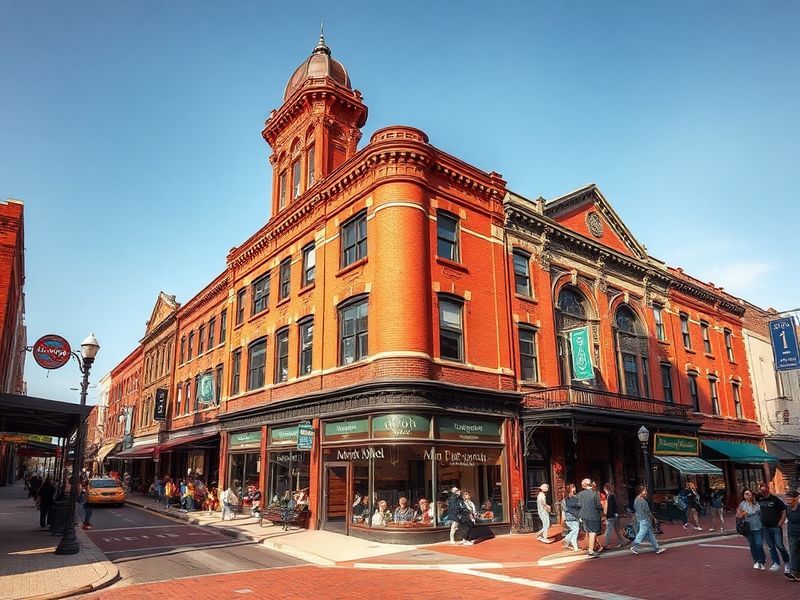
Portland, by contrast, resists vertical expansion. Height restrictions keep buildings low, preserving the city’s famed skyline of mid-century structures and evergreen-lined streets. The city’s identity remains rooted in grassroots creativity: indie bookstores like Powell’s City of Books, food cart pods serving global cuisine, and a thriving maker scene define the urban fabric. While Portland’s population growth has slowed in recent years—just 0.4% in 2023—its reputation as a hub for artists, musicians, and entrepreneurs endures. The city’s zoning laws encourage mixed-use development, blending residential and commercial spaces to keep neighborhoods walkable and vibrant.
Both cities reflect their residents’ values. Austin’s growth is fueled by ambition and capital, while Portland’s charm lies in its rejection of corporate homogeneity. Yet both face challenges: Austin grapples with affordability and infrastructure strain, while Portland contends with homelessness and strained public services. The contrast isn’t just aesthetic—it’s philosophical.
Cost of Living: Where Your Dollar Goes Further
Austin’s cost of living has climbed faster than nearly any major U.S. city. Rent for a one-bedroom apartment averages $1,800 per month, up 12% from 2022. Groceries and dining out are pricier than the national average, though still cheaper than coastal tech hubs. Property taxes remain relatively low, but homebuyers face steep competition. The median household income hovers around $90,000, which doesn’t stretch as far as it once did in a city where a single craft cocktail can cost $16.
Portland offers a different economic reality. The median rent for a one-bedroom is $1,500, and groceries cost about 5% less than in Austin. Dining out is affordable, especially at the city’s legendary food carts, where a hearty meal runs $10–$12. However, Oregon’s lack of a sales tax is offset by higher income taxes—top earners face a 9% rate—and property taxes have ticked upward as home values rise. Still, for remote workers and creatives, Portland’s lower housing costs and vibrant arts scene make it an appealing alternative.
Both cities have seen wages stagnate despite rising expenses. In Austin, tech salaries have surged, but so have living costs. In Portland, wages for service workers have barely kept pace with inflation. The result is a growing divide: long-time residents in both cities feel priced out, while newcomers bring fresh capital—and fresh challenges.
Outdoor Access: Nature in the City
Austin’s outdoor scene thrives on water. The city sits along the Colorado River, with Lady Bird Lake at its heart. Kayak rentals, paddleboard yoga, and lakeside trails draw residents year-round. Zilker Park hosts major events like ACL Fest, while the Greenbelt offers rugged hiking just minutes from downtown. Austin’s heat can be brutal in summer, but its proximity to Hill Country—with rivers, wineries, and swimming holes—keeps adventure accessible.
Portland’s outdoor appeal is greener and rainier. The city is framed by the Columbia River Gorge to the east and Mount Hood to the south, offering world-class hiking, windsurfing, and skiing within an hour’s drive. Forest Park, one of the largest urban forests in the U.S., provides 80 miles of trails just steps from downtown. Portlanders embrace the rain, cycling to work on wet winter days and flocking to farmers markets for fresh, local produce. The city’s compact size means nature is never far away—even a 20-minute bus ride can land you in a dense forest.
Both cities prioritize outdoor access, but their approaches differ. Austin celebrates water-based recreation and sunny skies, while Portland leans into lush landscapes and misty trails. Climate plays a role, too: Austin’s heat limits year-round activity, whereas Portland’s mild, wet winters encourage consistent outdoor engagement.
Music and Nightlife: Where the Scene Lives
Austin’s music legacy is legendary. Sixth Street’s neon-lit bars and dive venues like The Continental Club have hosted legends from Willie Nelson to Janis Joplin. The city’s unofficial motto, “Keep Austin Weird,” stems from its music scene, which blends honky-tonk, punk, and indie genres. Venues like ACL Live and the Mohawk draw national acts, while open mic nights at places like Geronimo’s keep local talent alive. Festivals—ACL, SXSW, and Fun Fun Fun—draw hundreds of thousands annually, fueling a year-round party atmosphere.
Portland’s music scene is quieter but deeply influential. The Doug Fir Lounge and Mississippi Studios host indie and folk acts, while the Crystal Ballroom remains a historic venue for electronic and rock performances. Portland’s DIY ethos extends to nightlife: tiny bars like the Alberta Street Pub and secret speakeasies like Ex Novo Brewing’s backroom create intimate experiences. The city’s music scene favors authenticity over spectacle, with a focus on local artists and underground genres like riot grrrl and experimental jazz.
Nightlife in both cities reflects their cultures. Austin’s scene is high-energy, with late-night tacos and line-dancing at Gilley’s. Portland’s is more subdued, with craft beer pubs and vinyl bars where conversations last longer than the setlists. One thrives on spectacle; the other on connection.
Choosing between Austin and Portland often comes down to priorities. Austin offers energy, opportunity, and upward mobility—if you can afford it. Portland provides creativity, affordability, and a slower pace—if you can tolerate the rain. Both cities are works in progress, shaped by their residents’ dreams and struggles. One is building the future; the other is preserving its soul. Neither is perfect, but both offer something vital: a place to belong, and a place to belong to.