Why Candy Recalls Are Becoming More Common—and What It Means for Consumers
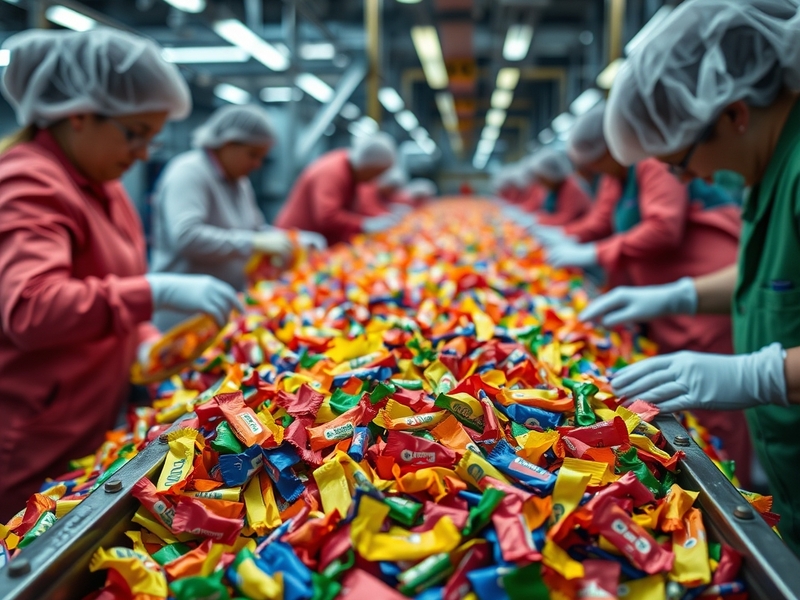
Candy recalls have surged in recent years, disrupting holiday seasons, confusing shoppers, and forcing manufacturers to rethink safety protocols. From contaminated chocolate bars to undeclared allergens in gummies, the issues span ingredients, packaging, and production lines. The global nature of the candy industry means a problem in one country can ripple across borders, affecting brands and consumers worldwide.
In 2023 alone, the U.S. Food and Drug Administration (FDA) issued over 30 candy-related recalls, a 25% increase from the previous year. Similar trends emerged in Europe, where agencies like the European Food Safety Authority (EFSA) flagged issues with candies containing palm oil, nuts, or dairy. Even iconic brands like Ferrero and Haribo have faced scrutiny, reminding consumers that no company is immune to oversight failures.
The Most Common Reasons Behind Candy Recalls
Understanding why candies get recalled helps consumers stay informed and manufacturers improve practices. The primary causes fall into a few key categories:
- Undeclared allergens: A batch of chocolate-covered pretzels might contain traces of peanuts, a life-threatening risk for allergic individuals. Even if a product is labeled “may contain,” cross-contamination during production can trigger recalls.
- Foreign objects: Metal fragments, plastic pieces, or even insects have been found in candies due to machinery malfunctions or poor quality control. In 2022, a U.S. manufacturer recalled 1.2 million units after customers reported finding shards of metal in lollipops.
- Microbial contamination: Improper storage or unsanitary conditions can lead to mold or bacterial growth, such as salmonella in powdered candy or listeria in caramel. These issues often surface during routine inspections or after consumer complaints.
- Incorrect labeling: Missing ingredient lists, wrong allergen statements, or mislabeled nutritional information can result in recalls. In Canada, a popular candy brand was pulled from shelves after it was discovered that a “vegan” gummy contained gelatin.
- Chemical contamination: Pesticides, heavy metals, or unauthorized additives can taint ingredients sourced from global suppliers. In 2021, candies imported from India were recalled in the U.K. due to high levels of lead in some batches.
These triggers aren’t isolated to one region. In Asia, recalls often stem from excessive food additives or poor sourcing of ingredients like corn syrup. Meanwhile, in Latin America, recalls may result from inadequate refrigeration during transport, especially for chocolates prone to melting and spoilage.
The Global Supply Chain’s Role in Candy Safety
The interconnected nature of the candy industry means that a recall in one country can quickly become a global issue. Palm oil, a common ingredient in gummies and chocolate, often comes from Southeast Asia, where labor practices and pesticide use are less regulated. When contaminants are detected in palm oil shipments, candies made with it—regardless of where they’re packaged—become potential hazards.
Globalization also complicates traceability. A candy bar labeled “Made in Germany” might include cocoa from Ivory Coast, sugar from Brazil, and emulsifiers from China. If any of those components are compromised, pinpointing the exact source requires extensive lab testing and supply chain audits. Some companies now use blockchain technology to track ingredients from farm to factory, but adoption remains uneven.
Cultural preferences also influence recall trends. In Japan, where consumers favor delicate flavors like matcha and wasabi, recalls often focus on artificial dyes or preservatives that violate strict local standards. Conversely, in the U.S., recalls frequently involve high-fructose corn syrup or peanut cross-contamination, reflecting dietary habits and allergen awareness.
How Recalls Impact Brands and Consumer Trust
For manufacturers, a recall is more than a logistical nightmare—it’s a reputational earthquake. Ferrero’s Kinder Surprise eggs faced multiple recalls in 2022 due to salmonella contamination in Belgian factories, leading to a 12% drop in sales across Europe. The company’s response, including a full factory shutdown and public apologies, became a case study in crisis management.
Smaller brands often struggle to recover. A family-owned candy maker in Mexico recalled its entire line of tamarind candies after customers reported severe stomach issues. Despite no fatalities, the damage to its reputation lingered for years, as local consumers shifted to trusted multinational brands like Hershey’s or Nestlé.
Consumer trust isn’t easily rebuilt. A 2023 survey by the International Food Information Council found that 42% of respondents would avoid a brand after a recall, even if the issue was resolved. Social media amplifies the damage, with viral videos of recalled candies sparking panic and memes. In some cases, pranksters have even faked contamination scares, further muddying the waters.
Yet, not all recalls spell disaster. Brands that respond swiftly with transparency and compensation often emerge with stronger loyalty. After a 2021 recall of its Skittles due to a mislabeled allergen, Mars Wrigley launched a “Safe to Enjoy” campaign, offering refunds and donating recalled products to food banks. The move helped restore confidence, proving that accountability can turn a crisis into an opportunity.
What Consumers Can Do to Stay Safe
With recalls on the rise, shoppers need to be proactive. Here’s how to minimize risks when buying candy:
- Check recall databases: The FDA, EFSA, and local food safety agencies publish updated recall lists. Bookmarking these pages can save time during shopping trips.
- Read labels carefully: Look beyond the front packaging. Ingredient lists, allergen warnings, and “best by” dates are critical details often overlooked.
- Buy from reputable retailers: Discount stores or online marketplaces may stock expired or recalled items. Stick to trusted grocery chains or specialty candy shops.
- Report suspicious products: If you find a foreign object in candy or experience adverse reactions, report it to the manufacturer and your local health department immediately.
- Support transparent brands: Companies that disclose sourcing, conduct regular audits, and share safety data are less likely to be involved in recalls.
Parents, in particular, should be vigilant. Children’s candies, like gummy vitamins or chocolate-coated marshmallows, are frequently recalled due to choking hazards or high sugar content. Opting for smaller, single-serve portions can reduce risks while satisfying sweet cravings.
The Future of Candy Safety: Can Recalls Be Prevented?
Industry experts argue that recalls can be significantly reduced with better technology and stricter regulations. Artificial intelligence is now being used to detect contaminants in real-time during production. Companies like IBM have developed AI systems that analyze batches for foreign objects, microbial risks, and chemical anomalies with near-perfect accuracy.
Regulatory bodies are also tightening standards. The FDA’s New Era of Smarter Food Safety initiative emphasizes prevention over reaction, encouraging companies to adopt traceability tools and hazard analysis critical control points (HACCP) plans. Meanwhile, the European Union’s Green Deal includes provisions to reduce pesticide use in agricultural ingredients like cocoa and vanilla, lowering contamination risks at the source.
Yet challenges remain. The cost of implementing advanced safety measures can be prohibitive for small and mid-sized manufacturers. In developing markets, where candy production is booming, infrastructure gaps often lead to lapses in quality control. Without international cooperation, recalls will continue to disrupt the global candy supply.
For now, consumers must stay informed and demand accountability. The next time you unwrap a chocolate bar or chew a gummy bear, take a moment to check the label. A little caution can go a long way in ensuring that your sweet treat doesn’t turn into a sour surprise.