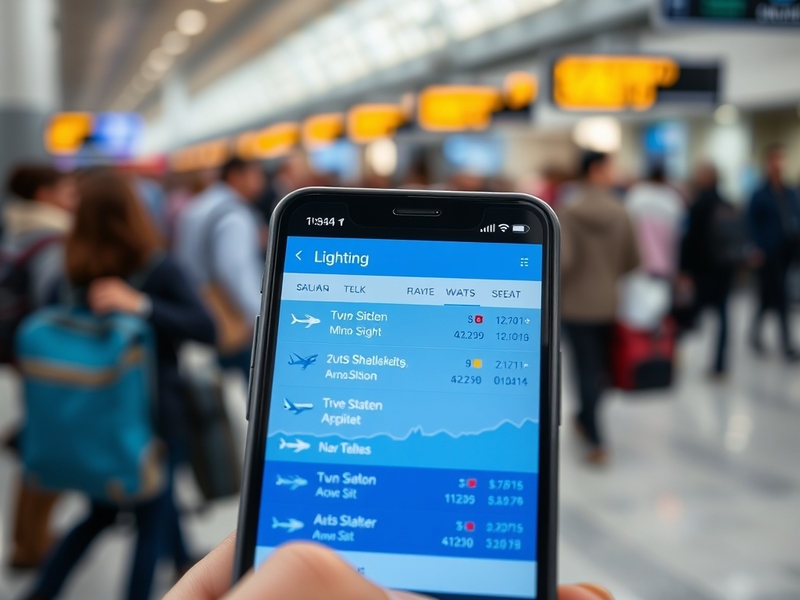
Understanding Flight Trackers: A Modern Necessity
Flight trackers have become essential tools for travelers, aviation enthusiasts, and even those monitoring cargo shipments. These platforms provide real-time data on flight statuses, allowing users to check the location of flights, delays, and estimated arrival times. The evolution of flight tracking technology has made air travel more transparent and accessible than ever before.
How Flight Trackers Work
Flight tracking systems utilize a combination of radar data, satellite technology, and algorithms to provide accurate information about flights. The process involves several key components:
- Radar Technology: Ground-based radar systems track aircraft as they take off, land, and fly within a certain range.
- ADS-B (Automatic Dependent Surveillance–Broadcast): This technology allows aircraft to broadcast their location via GPS, enabling real-time tracking.
- Data Aggregation: Flight data is collected from various sources, including airlines and airports, to ensure accuracy.
- User Interface: Mobile apps and websites present this data in an easy-to-read format for users.
These components work together to create a comprehensive view of air traffic, making it possible for users to track flights from departure to arrival with just a few clicks.
The Broader Implications of Flight Tracking Technology
The impact of flight tracking extends beyond mere convenience for travelers. It influences various sectors, including safety, logistics, and even environmental considerations. Here are some broader implications:
- Enhanced Safety: Real-time tracking improves safety protocols by allowing air traffic control and emergency services to respond promptly to any incidents.
- Logistical Efficiency: Airlines can optimize routes and schedules based on real-time data, minimizing delays and improving overall efficiency.
- Environmental Impact: By analyzing flight paths and emissions, airlines can make more sustainable decisions, reducing their carbon footprint.
- Passenger Experience: Travelers can better plan their journeys by staying informed about flight statuses, leading to less anxiety and improved satisfaction.
As the technology continues to advance, we can expect even more sophisticated applications that will reshape the aviation industry.
Popular Flight Tracking Platforms
Several platforms have emerged as leaders in the flight tracking space. Each offers unique features tailored to different user needs. Some of the top flight tracking services include:
- Flightradar24 – Known for its user-friendly interface and extensive global coverage.
- FlightAware – Offers detailed flight data and analytics for aviation professionals.
- Plane Finder – Provides a visually appealing interface with real-time tracking capabilities.
These platforms not only serve individual users but also cater to businesses and aviation professionals, offering data that can enhance operational decision-making.
Conclusion: The Future of Flight Tracking
As technology continues to evolve, the future of flight tracking looks promising. Innovations such as artificial intelligence and machine learning may further enhance the accuracy and efficiency of these systems. Additionally, as more people become aware of the capabilities of flight trackers, their usage will likely increase, leading to even greater transparency in air travel.
In conclusion, flight trackers are more than just tools for checking flight statuses; they represent a significant advancement in aviation technology that benefits travelers, airlines, and the environment alike. Understanding their functionality and implications can empower users to make informed decisions about air travel.