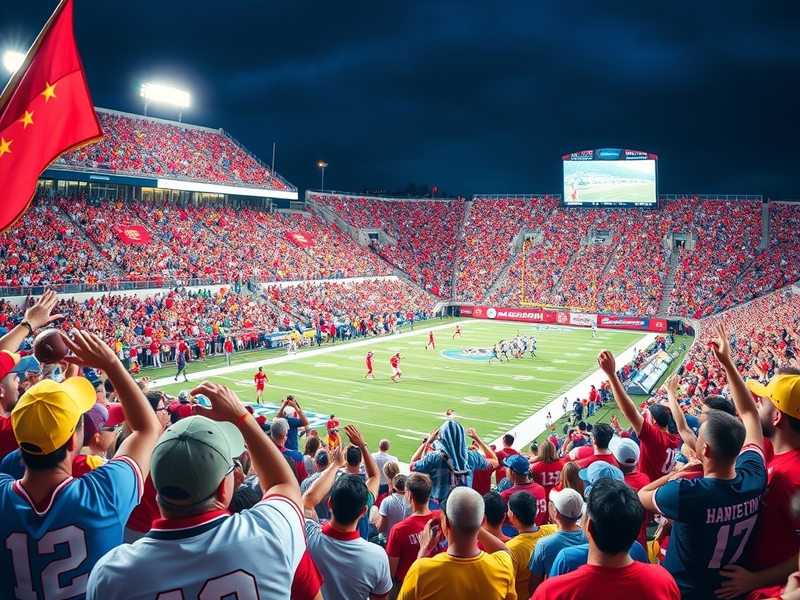
Understanding NCAA Division I Football Bowl Subdivision
The NCAA Division I Football Bowl Subdivision (FBS) represents the highest level of college football in the United States. This division is characterized by its large athletic programs, extensive media coverage, and significant fan engagement. With a rich history and a vibrant culture, the FBS is a critical component of American sports.
Historical Overview
The FBS has evolved from its origins in the late 19th century. Initially, college football was more of a regional sport, with games played mainly among local institutions. However, as the popularity of the sport grew, so did the need for a structured system. In 1978, the NCAA introduced the Division I-A designation, which later became known as the FBS.
Over the decades, the FBS has seen the emergence of powerhouse programs and legendary rivalries. Schools like Alabama, Notre Dame, and Michigan have become synonymous with excellence in college football. These institutions not only attract top talent but also boast extensive fan bases and alumni networks that contribute to their programs’ success.
Structure of the FBS
The FBS comprises 130 member schools, divided into ten conferences. Each conference operates its own set of rules and schedules, but all adhere to NCAA regulations. The major conferences, often referred to as the “Power Five,” include:
- Atlantic Coast Conference (ACC)
- Big Ten Conference
- Big 12 Conference
- Pac-12 Conference
- Southeastern Conference (SEC)
In addition to these, there are several Group of Five conferences, which also play a crucial role in the FBS landscape. Each year, teams compete for a chance to participate in bowl games, culminating in the College Football Playoff (CFP) to determine a national champion.
The Bowl System
The bowl system is a unique aspect of college football. Unlike traditional playoff systems in other sports, the FBS has a selection of bowl games that teams can qualify for based on their performance during the regular season. These bowl games are often held in various locations across the country, providing a festive atmosphere for players and fans alike.
Some of the most prestigious bowl games include:
- The Rose Bowl
- The Sugar Bowl
- The Orange Bowl
- The Cotton Bowl
These games not only serve as a reward for successful teams but also offer significant financial incentives and exposure. For many programs, participating in a bowl game can enhance recruiting efforts and elevate a school’s profile nationally.
Challenges Facing the FBS
While the FBS is a beacon of college sports, it faces several challenges. Issues such as player safety, recruitment practices, and the impact of the NCAA’s regulations are hotly debated topics. The rise of the transfer portal has transformed how teams build their rosters, leading to increased competition and uncertainty.
Moreover, the financial aspect of college athletics cannot be overlooked. The disparity between programs with massive budgets and those struggling to keep up can create an uneven playing field. This economic divide often influences the quality of facilities, coaching staff, and overall program success.
As the FBS continues to adapt, it must balance tradition with innovation. The push for player rights, including compensation for name, image, and likeness (NIL) deals, reflects a broader movement in sports toward equity and fairness. These changes could redefine the landscape of college football in the years to come.
Conclusion
The NCAA Division I Football Bowl Subdivision remains a cornerstone of American sports culture. With its storied history, competitive structure, and vibrant bowl system, it captivates millions of fans each year. However, the challenges it faces demand attention and action to ensure the integrity and sustainability of college football. As the landscape evolves, one thing is clear: the passion for college football will continue to thrive, bringing communities together and shaping the future of athletics.