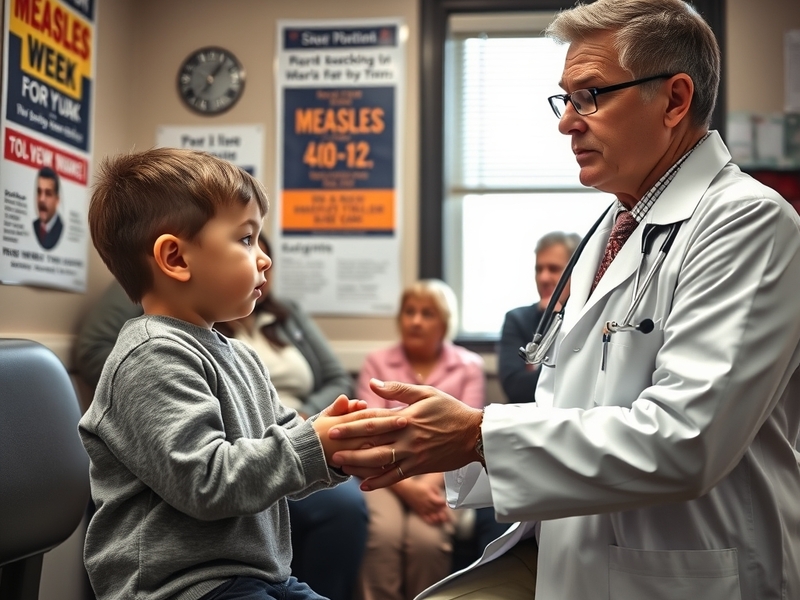
Measles Outbreak in Pennsylvania: A Growing Concern
The recent measles outbreak in Pennsylvania has raised alarms among health officials and the public alike. Measles, a highly contagious viral disease, can lead to severe complications, including pneumonia, encephalitis, and even death. This outbreak serves as a reminder of the importance of vaccination and public health awareness.
Understanding Measles and Its Impact
Measles is primarily spread through respiratory droplets when an infected person coughs or sneezes. It can linger in the air for up to two hours, making it extremely contagious. The symptoms typically start with a high fever, cough, runny nose, and watery eyes, followed by a distinctive rash. While most children recover, some may experience serious health issues.
In the context of Pennsylvania, the current outbreak has been linked to lower vaccination rates in certain communities. Factors contributing to this decline include misinformation about vaccine safety and personal beliefs against vaccination. The implications of this outbreak extend beyond individual health, affecting community immunity and public health systems.
The Global Perspective on Measles
Globally, measles remains a significant health challenge. According to the World Health Organization (WHO), there were over 365,000 measles cases reported worldwide in 2019, with thousands of deaths. The resurgence of measles in various regions is often attributed to declining vaccination coverage. This trend is not isolated to Pennsylvania; it reflects a broader issue affecting many countries.
Some key factors influencing the global measles situation include:
- Vaccine Hesitancy: Misinformation about vaccines has led to increased skepticism and refusal to vaccinate.
- Access to Healthcare: In many parts of the world, access to vaccination and healthcare services is limited.
- Political Instability: Conflicts can disrupt health services, preventing vaccination campaigns from reaching vulnerable populations.
Local Response and Public Health Initiatives
In response to the outbreak, Pennsylvania health officials have ramped up efforts to increase vaccination rates. Public health campaigns are being launched to educate communities about the importance of the measles, mumps, and rubella (MMR) vaccine. These initiatives aim to dispel myths surrounding vaccines and encourage parents to immunize their children.
Additionally, local health departments are working closely with schools and community organizations to facilitate vaccination drives. These efforts are crucial in restoring herd immunity, which is essential for protecting those who cannot be vaccinated, such as infants and individuals with certain medical conditions.
Conclusion: The Path Forward
The measles outbreak in Pennsylvania highlights the critical need for continued vigilance in public health. Vaccination is a vital tool in preventing the spread of infectious diseases. To combat the current outbreak and prevent future ones, it is essential for communities to come together in support of vaccination efforts. Education and open communication will play a pivotal role in addressing vaccine hesitancy and ensuring that every child has access to lifesaving immunizations.
As we move forward, it is imperative to remain informed and proactive. The health of our communities depends on collective action and commitment to maintaining high vaccination rates. For more information on health and wellness, visit our Health section.