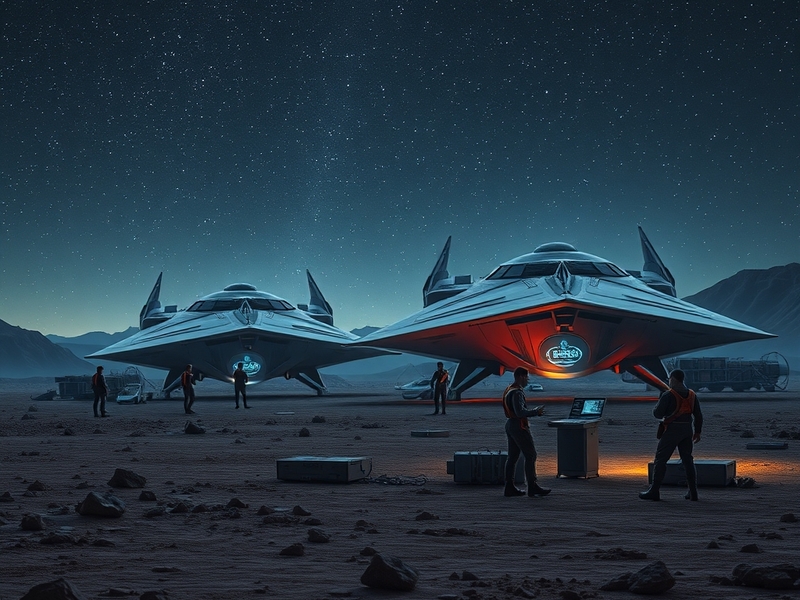
Overview of the United States Space Force
The United States Space Force (USSF) represents a significant evolution in military operations, focusing on the domain of space. Established on December 20, 2019, it is the first new branch of the U.S. Armed Forces since the Air Force was created in 1947. The formation of the Space Force aims to safeguard U.S. interests in space, ensuring that the nation maintains its technological edge in this critical area.
Objectives and Responsibilities
The primary mission of the Space Force is to protect U.S. and allied interests in space. This includes a variety of responsibilities:
- Developing military space capabilities
- Protecting satellites and space assets
- Conducting space operations
- Providing space support to ground forces
- Enhancing collaboration with allies and partners
By focusing on these objectives, the Space Force aims to deter aggression in space and ensure that the U.S. can operate freely in this domain. The establishment of this branch also comes in response to the growing threats from other nations, particularly Russia and China, who have made significant advancements in their space capabilities.
Global Perspective on Space Militarization
The creation of the Space Force is not just a U.S. initiative; it reflects a broader trend of militarization in space. Various countries are developing their own space military branches or enhancing their existing capabilities. For instance:
- Russia: The Russian military has established its Aerospace Forces, which integrates air and space operations.
- China: The People’s Liberation Army has been rapidly advancing its space technology and capabilities, including anti-satellite weapons.
- India: The Indian Armed Forces are also focusing on space as a crucial element of national security, establishing the Indian Space Command.
This global arms race in space underscores the necessity for the U.S. to maintain its leadership in space technology and military capabilities. The implications of this militarization extend beyond national security; they also raise ethical and strategic questions about the future of international relations and cooperation in space exploration.
Cultural Context and Public Perception
The establishment of the Space Force has sparked varied reactions among the American public and international communities. For many, it symbolizes a new frontier in defense strategy, while others view it with skepticism. The cultural representation of the Space Force has been influenced by various media portrayals, from serious documentaries to satirical takes in popular shows.
Some key points of public perception include:
- Concerns about militarization of space and its implications for peace
- Interest in space exploration and the potential for scientific advancements
- Debate over funding priorities and the balance between military and civilian space initiatives
As the Space Force continues to evolve, it will likely face challenges in addressing these concerns while fulfilling its mission. Engaging with the public and fostering transparency will be crucial in shaping a positive narrative around its objectives.
Conclusion
The United States Space Force represents a critical step in adapting military strategy to the realities of the 21st century. As nations around the globe increase their focus on space, the U.S. must navigate the complexities of military preparedness while fostering international cooperation and maintaining peace. The cultural, ethical, and strategic dimensions of this endeavor will shape not only the future of U.S. defense but also the broader landscape of global space exploration.