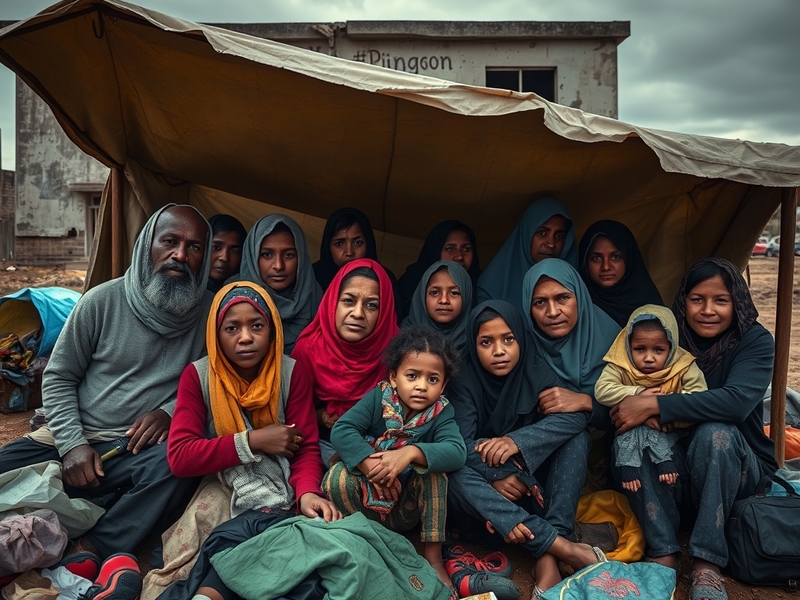
Understanding the Piddington Asylum Seekers Situation
The Piddington asylum seekers issue has become a focal point of discussion regarding immigration policies and human rights in recent months. Located in the Australian countryside, Piddington has been the site of various discussions about the treatment of asylum seekers and the challenges they face. This article aims to explore the complexities surrounding this topic, examining the experiences of the asylum seekers, the local community’s response, and the broader implications for Australian immigration policy.
Experiences of Asylum Seekers
Asylum seekers arriving in Piddington often come from war-torn countries or regions plagued by violence and persecution. Many have faced harrowing journeys, risking their lives to escape dire circumstances. Once they arrive in Piddington, their experiences can vary widely, but common challenges include:
- Language barriers that hinder communication with local authorities and residents.
- Limited access to legal support, which is crucial for navigating the asylum process.
- Psychological trauma stemming from their previous experiences and uncertainty about their future.
These factors contribute to a sense of isolation among asylum seekers, making it difficult for them to integrate into the community. The psychological impact of their experiences cannot be understated, as many struggle with mental health issues due to past traumas.
Community Response and Support Initiatives
The local community in Piddington has shown a mixed response to the influx of asylum seekers. While some residents have opened their homes and hearts to provide support, others have expressed concerns about the impact on local resources. Community support initiatives have emerged, aiming to bridge the gap and offer assistance to those in need. Some of these initiatives include:
- Volunteer programs that connect locals with asylum seekers for language and cultural exchange.
- Food drives and clothing donations to help meet basic needs.
- Workshops focused on mental health support and integration into the community.
These efforts illustrate the potential for community solidarity, but they also highlight the need for systemic change in how asylum seekers are treated by authorities. Local organizations are advocating for more resources and support from the government to ensure the well-being of these individuals.
Broader Implications for Immigration Policy
The situation in Piddington is reflective of larger trends in Australian immigration policy. The treatment of asylum seekers has been a contentious issue, with debates surrounding border security, human rights, and international obligations. Critics argue that current policies often lead to the mistreatment of vulnerable individuals, while supporters claim that stricter measures are necessary for national security.
As the government navigates these complex issues, the experiences of Piddington’s asylum seekers serve as a poignant reminder of the human aspect of immigration policy. Policymakers must consider not only the legal framework but also the humanitarian implications of their decisions.
Conclusion
The Piddington asylum seekers situation encapsulates the multifaceted challenges associated with immigration in Australia. The experiences of these individuals, combined with community responses and the implications for national policy, highlight the urgent need for a compassionate approach to asylum seekers. As discussions continue, it is essential to prioritize human rights and foster community support to create a more inclusive society.