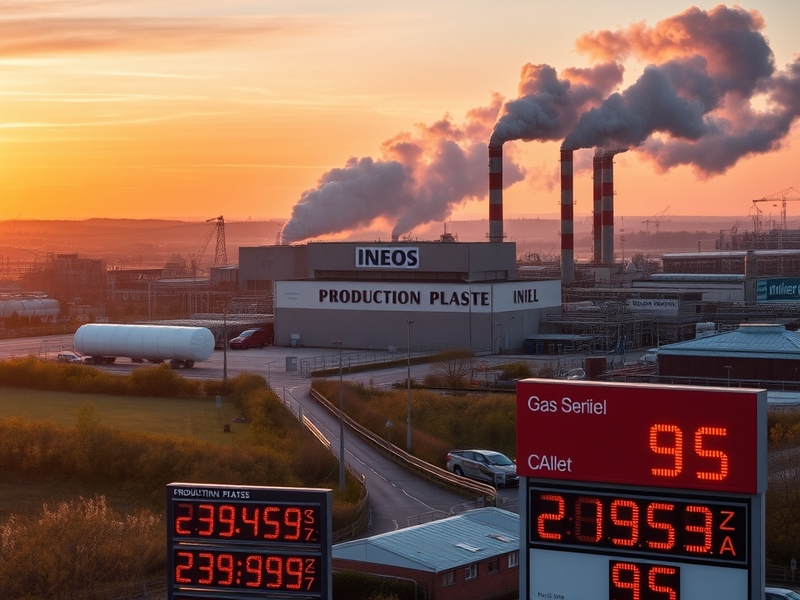
INEOS Production Pause and Its Impact on Hull Gas Prices
The recent announcement by INEOS regarding a temporary production pause has sent ripples through the energy market, particularly affecting gas prices in Hull. This decision has raised concerns among consumers and businesses alike, as energy costs continue to fluctuate dramatically. Understanding the implications of this pause is crucial for stakeholders in the energy sector and beyond.
Background on INEOS and the Hull Gas Market
INEOS is one of the largest chemical and petrochemical companies globally, with a significant presence in the UK. The company plays a vital role in the production of various energy resources, including natural gas. Hull, a key market for gas distribution, relies heavily on consistent supply from major producers like INEOS.
The production pause was attributed to maintenance issues at one of INEOS’s facilities. Such operational interruptions are not uncommon in the industry; however, their timing can have significant ramifications. As demand for gas remains steady, any decrease in supply can lead to immediate price hikes.
Key Implications of the Production Pause
The implications of INEOS’s production halt are multifaceted. Here are some critical points to consider:
- Price Volatility: A decrease in supply typically leads to an increase in gas prices. Consumers in Hull may experience higher costs in the coming weeks.
- Impact on Businesses: Local businesses that depend on stable gas prices for operations may face budget constraints, potentially leading to increased prices for goods and services.
- Market Reactions: The energy market often reacts swiftly to news of production changes, which can lead to speculation and further price fluctuations.
- Long-term Supply Chain Effects: Extended production pauses can affect not just immediate prices but also long-term contracts and relationships within the supply chain.
Broader Economic Context
The gas market is intricately linked to broader economic conditions. The pause in production comes at a time when energy prices have already been under pressure due to geopolitical tensions and supply chain disruptions. For instance, the ongoing conflict in Eastern Europe has contributed to instability in energy supplies across the continent.
Moreover, as countries strive for energy independence and transition towards renewable sources, traditional gas markets are bound to experience significant shifts. The reliance on established suppliers like INEOS may come into question as alternative energy sources gain traction. This situation presents both challenges and opportunities for innovation in the energy sector.
Conclusion
The INEOS production pause serves as a reminder of the fragility of the energy market. While the immediate impact on Hull gas prices is concerning, it also highlights the interconnectedness of global energy supply chains. Stakeholders must remain vigilant and adaptable to navigate these changes effectively.
As the industry progresses, the focus on sustainable energy solutions will likely reshape the landscape, influencing not only prices but also the way energy is produced and consumed in the future. Keeping an eye on developments in this area will be essential for both consumers and businesses alike.