Understanding the Meat Recall: Causes and Implications
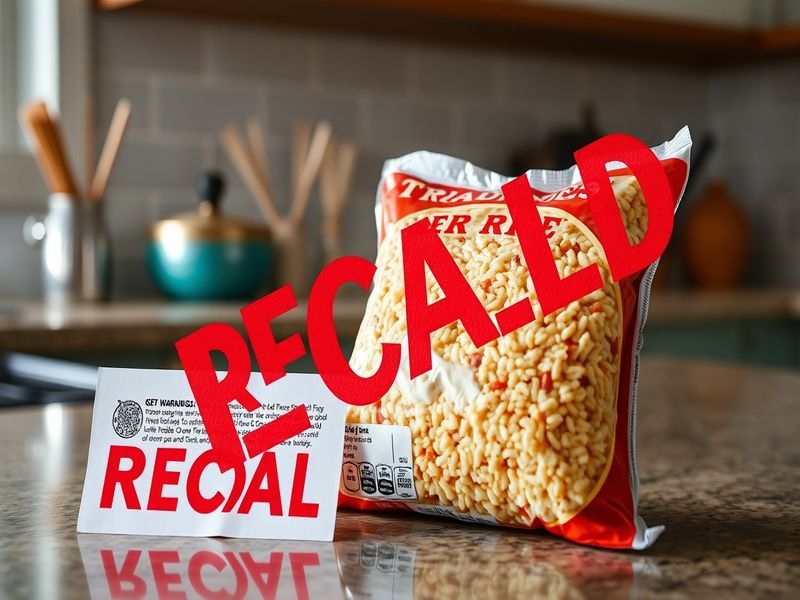
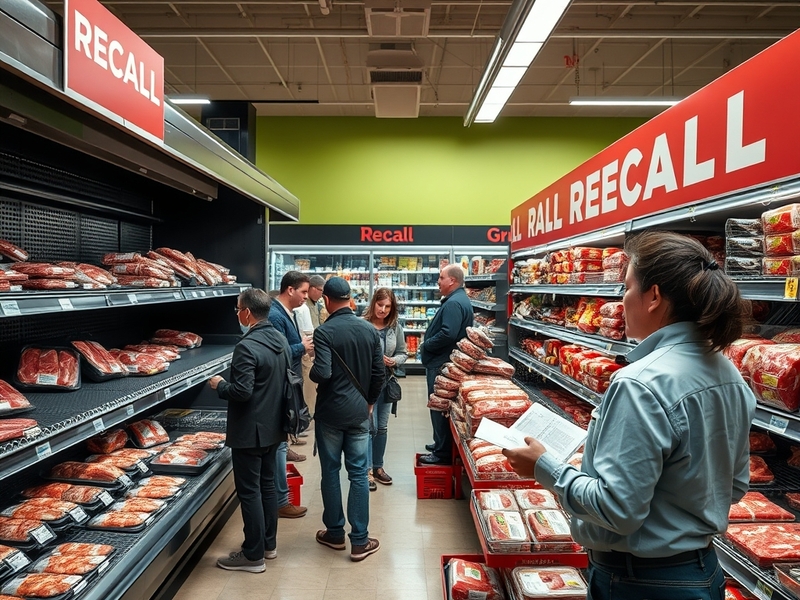
Meat recalls have become a frequent headline in news cycles, raising concerns about food safety and public health. These recalls often stem from contamination issues, which can include bacterial pathogens like Salmonella and E. coli, or the presence of foreign materials. The implications of a recall are significant, affecting consumers, producers, and the broader food supply chain.
Recent High-Profile Meat Recalls
In recent months, several high-profile meat recalls have garnered attention. For instance, a well-known brand faced a recall of over 200,000 pounds of beef products due to potential contamination with E. coli. This incident highlights the ongoing challenges within the meat industry regarding food safety protocols and inspection processes.
Another notable case involved a pork producer that initiated a recall after discovering plastic fragments in their products. Such incidents not only jeopardize consumer safety but also lead to financial losses for companies involved. The repercussions can ripple through the supply chain, affecting retailers and farmers alike.
Factors Contributing to Meat Recalls
Multiple factors contribute to the occurrence of meat recalls. Understanding these can help consumers make informed choices and encourage producers to maintain higher safety standards. Key factors include:
- Production Practices: Poor hygiene and inadequate safety measures during processing can lead to contamination.
- Supply Chain Issues: Lack of traceability in the supply chain complicates the identification of contamination sources.
- Regulatory Oversight: Variations in inspection protocols can result in lapses that allow unsafe products to reach consumers.
- Consumer Awareness: Increased consumer awareness and reporting can lead to more recalls being initiated.
The Impact of Recalls on Consumer Behavior
Meat recalls can significantly influence consumer behavior. Many individuals become more cautious about their meat purchases, leading them to seek out brands with robust safety records. Additionally, consumers may shift towards organic or locally sourced meat, which is often perceived as safer.
Moreover, the response to a recall can vary widely among consumers. Some may choose to avoid meat altogether, while others might simply become more diligent about cooking and handling meat products safely. The long-term effects of these incidents can reshape market dynamics as brands work to rebuild trust.
Conclusion: Moving Forward with Safer Practices
As meat recalls continue to occur, it is essential for both consumers and producers to stay informed. The meat industry must prioritize food safety and implement rigorous quality control measures. Consumers, on the other hand, should remain vigilant and educated about the products they purchase.
For those interested in learning more about food safety practices or exploring related topics, visit our Food category. Staying informed can help mitigate risks and foster a safer food environment for everyone.