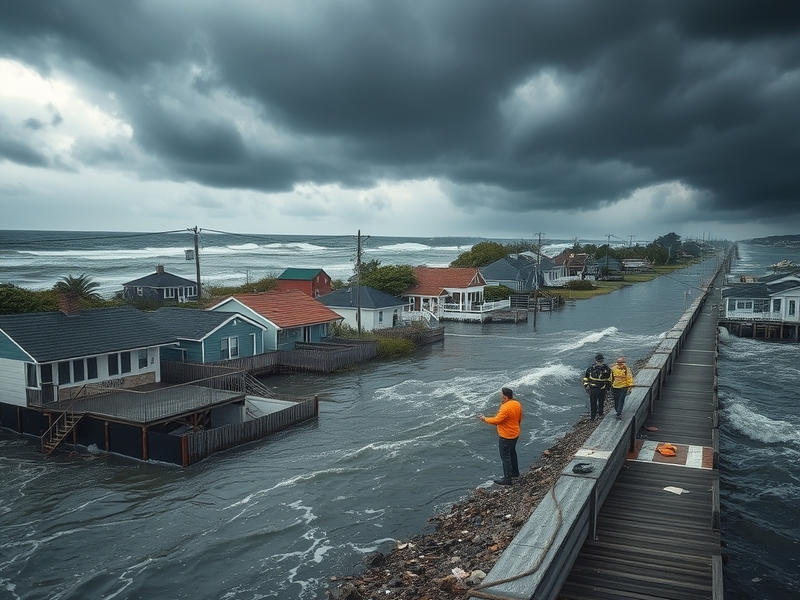
Understanding Coastal Flooding: A Global Concern
Coastal flooding has emerged as a significant threat to communities across the globe. With rising sea levels, increased storm intensity, and changing weather patterns, many coastal areas are facing unprecedented risks. The implications of these changes are not just environmental; they affect economies, infrastructure, and the very fabric of society.
Causes of Coastal Flooding
The factors contributing to coastal flooding are multifaceted. Here are some of the primary causes:
- Climate Change: As global temperatures rise, polar ice caps melt, contributing to higher sea levels.
- Storm Surges: Hurricanes and tropical storms can push large volumes of water onto land, overwhelming coastal defenses.
- Land Subsidence: Some coastal regions are sinking due to natural geological processes or human activities, exacerbating flooding risks.
- Urbanization: Increased development along coastlines often leads to the destruction of natural barriers like wetlands and mangroves, which can mitigate flooding.
The Cultural Impact of Coastal Flooding
Coastal flooding extends beyond physical destruction; it has profound cultural implications. In many regions, coastal communities are steeped in traditions that are closely tied to their maritime environment. As these areas face flooding, the loss of land can lead to:
- Displacement: Communities may be forced to relocate, threatening their cultural heritage and identity.
- Economic Disruption: Fishing and tourism industries, which are often lifelines for coastal communities, may suffer significantly.
- Loss of Historical Sites: Many coastal areas house ancient structures and landmarks that are at risk of being submerged.
For instance, in places like Venice, Italy, the rising tides threaten not only the city’s architecture but also its centuries-old traditions. The local culture, which revolves around its unique waterways, is at risk of being fundamentally altered.
Adaptation and Mitigation Strategies
Facing the reality of coastal flooding, various regions are implementing adaptation and mitigation strategies. These efforts aim to protect vulnerable areas and enhance resilience against future flooding events. Some effective strategies include:
- Restoration of Natural Barriers: Rebuilding mangroves, wetlands, and other natural defenses can help absorb storm surges and reduce flooding.
- Improved Urban Planning: Developing infrastructure that accounts for potential flooding, including elevated buildings and better drainage systems, is crucial.
- Community Engagement: Involving local populations in decision-making processes ensures that solutions are culturally sensitive and effective.
- Investment in Research: Continued research into climate change and its impacts on coastal areas is essential for developing effective long-term strategies.
Additionally, governments and organizations worldwide are increasingly aware of the need for international cooperation. Climate change knows no borders; thus, collaborative efforts can lead to more effective solutions. Initiatives that promote sharing knowledge and resources can help mitigate the effects of coastal flooding globally.
Conclusion: A Call to Action
Coastal flooding poses a significant threat that requires urgent attention. As climate change continues to evolve, the need for comprehensive strategies becomes ever more critical. Communities, governments, and individuals must work together to address the causes of flooding and implement effective solutions. By investing in sustainable practices, restoring natural ecosystems, and fostering community resilience, we can protect our coastal treasures for future generations.
For those interested in the intersection of sports and environmental issues, check out our Sports section for more articles on how climate change is affecting various sectors.