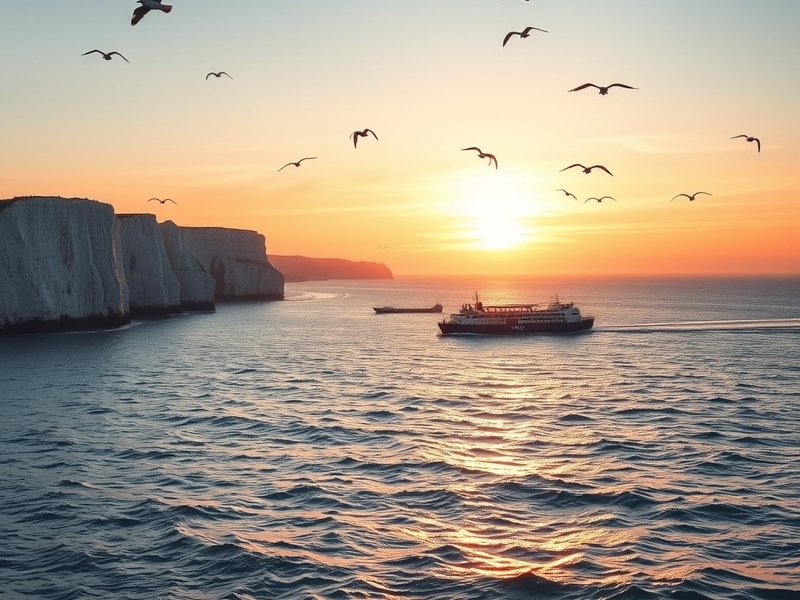
The English Channel: A Historical and Cultural Overview
The English Channel, or La Manche as it is known in France, is a body of water that separates southern England from northern France. Stretching approximately 21 miles at its narrowest point, the Channel has served as a vital trade route and a significant cultural border throughout history. This narrow stretch of water has witnessed countless events that shaped not only the nations surrounding it but also the broader European landscape.
Historical Significance of the English Channel
The English Channel has been a pivotal geographical feature since ancient times. It was first crossed by Julius Caesar in 55 BC, marking the beginning of centuries of interaction between Britain and continental Europe. Over the years, it has played a crucial role in military campaigns, trade, and migration.
During World War II, the Channel was a critical strategic point. The successful Allied invasion of Normandy in 1944 was facilitated by the Channel, demonstrating its importance in military logistics. Additionally, the Channel has seen numerous naval battles, including the Battle of Dover Strait in 1940, which highlighted its role in defending British waters.
Modern-Day Importance
Today, the English Channel remains a vital artery for commerce and tourism. It connects major ports such as Dover and Calais, facilitating the movement of goods and people. The Eurotunnel, opened in 1994, has further enhanced this connectivity, allowing vehicles and passengers to traverse the Channel with ease.
Moreover, the Channel is a popular destination for recreational activities. From sailing and swimming to ferry rides, it attracts millions of visitors each year. The annual swim across the Channel has become a prestigious challenge for many athletes, showcasing the physical endurance required to conquer its chilly waters.
Cultural Context and Influence
The English Channel has influenced various aspects of culture and society. It has inspired countless artists, writers, and musicians, reflecting the interplay between the two shores. Notable literary works, such as Charles Dickens’ “David Copperfield,” reference the Channel, illustrating its significance in the British consciousness.
Furthermore, the Channel has become a symbol of the relationship between Britain and France. This connection is evident in various cultural exchanges, including culinary traditions and language. For instance, many English words have French origins, highlighting the historical ties between the two nations.
Environmental Considerations
As with many bodies of water, the English Channel faces environmental challenges. Pollution, overfishing, and climate change pose significant threats to its marine ecosystems. Efforts are being made to address these issues, including the establishment of marine protected areas aimed at preserving biodiversity.
Organizations and governments are collaborating to create sustainable practices that ensure the Channel remains a healthy and vibrant ecosystem. Initiatives to reduce plastic pollution and promote responsible fishing are gaining traction, emphasizing the need for a collective effort to protect this vital waterway.
Conclusion
The English Channel is more than just a geographical feature; it is a historical and cultural bridge between nations. Its significance stretches from ancient times to the present day, influencing trade, military strategy, and cultural exchange. As we look to the future, the importance of preserving its environment while celebrating its rich history cannot be overstated. The Channel continues to be a testament to the interconnectedness of human experiences across borders.
For those interested in exploring more about sports and outdoor activities related to the English Channel, visit our Sports section for more insights.