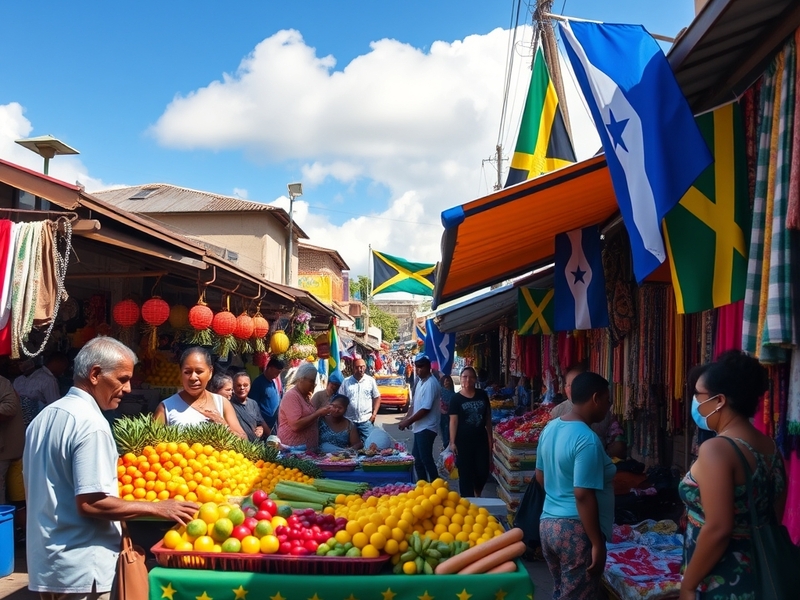
Exploring the Connection Between Jamaica and Honduras
Jamaica and Honduras, two vibrant countries in the Caribbean and Central America respectively, share a rich tapestry of cultural exchange, economic ties, and social dynamics. While geographically distinct, their histories have intertwined through migration, trade, and shared experiences. This article delves into the multifaceted relationship between these nations, examining key aspects of their interactions and the broader implications for both societies.
Cultural Exchange and Influence
The cultural connections between Jamaica and Honduras are evident in various facets, from music to cuisine. Jamaica is renowned for its reggae music, which has influenced artists worldwide, including those in Honduras. Conversely, the Garifuna culture, originating from the Caribbean, has a significant presence in Honduras, particularly along the northern coast. This culture features unique music and dance that echoes Jamaican rhythms.
Key points of cultural exchange include:
- Shared musical influences, particularly reggae and punta.
- Similar culinary traditions, with both countries showcasing vibrant flavors and ingredients.
- A history of migration that has led to the blending of cultural practices.
This cultural interplay not only enriches both nations but also fosters a sense of unity among their people. Festivals celebrating Caribbean heritage often feature artists and performers from both Jamaica and Honduras, highlighting their shared values and traditions.
Economic Ties and Trade Relations
Economically, Jamaica and Honduras engage in trade that benefits both nations. Jamaica exports products such as bauxite, rum, and coffee, while Honduras is known for its agricultural exports, including bananas and coffee. The trade relationship has been bolstered by various agreements aimed at enhancing economic cooperation.
Key aspects of their economic ties include:
- Trade agreements that facilitate the exchange of goods and services.
- Investment opportunities in tourism and agriculture.
- Joint ventures that leverage each country’s strengths.
The economic collaboration between Jamaica and Honduras creates opportunities for growth and development. By working together, both nations can capitalize on their unique resources and strengths, ultimately benefiting their populations.
Social Dynamics and Migration Patterns
Migration has played a crucial role in shaping the relationship between Jamaica and Honduras. Many Jamaicans have settled in Honduras over the years, contributing to the local economy and cultural landscape. This migration is often driven by the search for better opportunities, particularly in the context of employment and education.
Additionally, the Garifuna people, who have roots in both Jamaica and Honduras, exemplify the rich cultural connections formed through migration. Their presence in Honduras has created a bridge between the two nations, fostering a sense of shared identity and heritage.
Broader Implications for Regional Cooperation
The relationship between Jamaica and Honduras extends beyond cultural and economic exchanges. It serves as a model for regional cooperation in the Caribbean and Central America. By fostering ties between nations, these countries can address common challenges, such as climate change, economic instability, and social inequality.
Some broader implications include:
- Enhanced regional security through collaborative efforts.
- Joint initiatives aimed at addressing climate change impacts.
- Shared resources for education and healthcare improvements.
Through strategic partnerships, Jamaica and Honduras can set an example for other nations in the region, demonstrating the power of collaboration in overcoming shared challenges.
In conclusion, the relationship between Jamaica and Honduras is a dynamic interplay of culture, economy, and social connection. As both nations continue to evolve, their shared history and ongoing collaboration will undoubtedly shape their futures. By embracing their connections, Jamaica and Honduras can foster a stronger partnership that benefits their citizens and enhances regional stability.