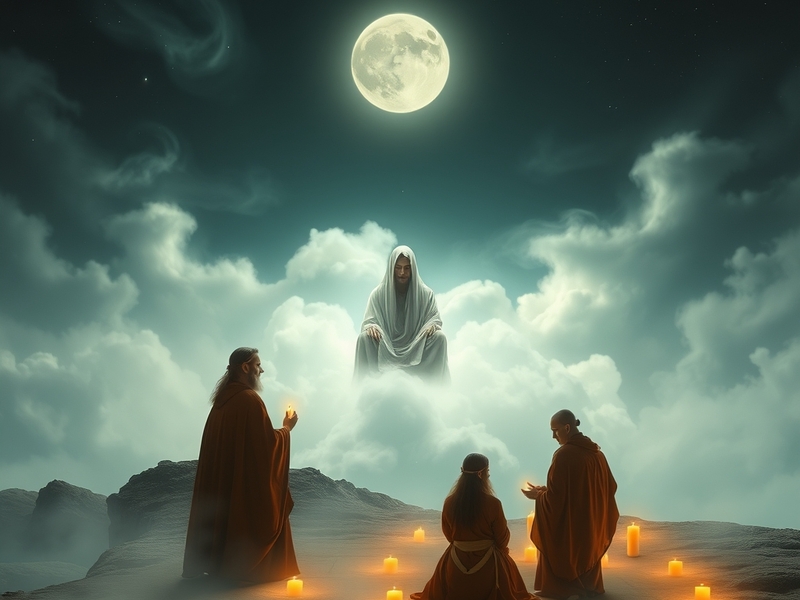
Understanding Dreams and Mysticism
Dreams and mysticism have intrigued humanity for centuries, serving as a bridge between the known and the unknown. While dreams are often seen as a natural occurrence during sleep, mysticism delves into the spiritual and metaphysical realms. This article explores the distinctions and connections between dreams and mysticism across various cultures.
The Nature of Dreams
Dreams are a universal experience, arising from the subconscious mind during sleep. They can be vivid, bizarre, or even mundane. Psychologists like Sigmund Freud and Carl Jung have studied dreams extensively, proposing that they serve as windows into our deepest fears, desires, and unresolved conflicts.
In many cultures, dreams are also viewed as prophetic or as messages from the divine. For example:
- Native American Cultures: Dreams are often seen as a means of communication with the spirit world, guiding individuals in their life choices.
- Ancient Egyptians: They believed dreams could predict the future and often employed dream interpreters.
- Indigenous Australian Cultures: The Dreamtime is a foundational concept that encompasses the spiritual, cultural, and historical narratives of the land.
These examples illustrate the varying interpretations of dreams, emphasizing their significance beyond mere psychological phenomena.
Mysticism and Its Interpretations
Mysticism, on the other hand, is a spiritual practice that seeks to understand the nature of the divine and the universe. It often involves transcendent experiences that are not easily explained by rational thought. Mystics across different traditions often report feelings of unity with the cosmos, which can be both profound and transformative.
There are numerous forms of mysticism, each influenced by the cultural and historical context of its practitioners. Some notable types include:
- Christian Mysticism: Focuses on personal experiences of God through prayer and contemplation.
- Sufi Mysticism: Emphasizes a direct relationship with the divine, often through poetry and music.
- Buddhist Mysticism: Involves meditation practices aimed at achieving enlightenment and understanding the nature of reality.
- Hindu Mysticism: Explores the concept of Brahman and the idea of oneness with the universe through various yogic practices.
Each tradition provides unique insights into the human experience and our quest for understanding the divine.
Interconnections Between Dreams and Mysticism
While dreams and mysticism may seem distinct, they often intersect in fascinating ways. Many mystics report that their spiritual experiences can manifest as vivid dreams or altered states of consciousness during sleep. In some cases, dreams serve as a gateway to mystical insights or revelations.
For instance, the practice of lucid dreaming, where individuals become aware that they are dreaming, can lead to profound spiritual experiences. This blend of consciousness and spirituality is explored in various cultures, showcasing how dreams can act as a canvas for mystical exploration.
Furthermore, many mystics utilize dream interpretation as part of their spiritual practices. By analyzing dreams, they seek to uncover hidden messages and guidance from the divine. This practice is evident in:
- Islamic Tradition: Where dreams are considered significant and often interpreted for spiritual insight.
- Jungian Psychology: Which draws parallels between dream analysis and personal growth through spirituality.
Cultural Perspectives on Dreams and Mysticism
Different cultures have unique perspectives on both dreams and mysticism. In Western contexts, dreams are often viewed through a psychological lens, focusing on their therapeutic benefits. Conversely, many Eastern traditions approach dreams as spiritual phenomena that can provide insights into one’s life journey.
In modern society, the resurgence of interest in spirituality has led to a renewed exploration of both dreams and mysticism. People are increasingly seeking ways to integrate these experiences into their daily lives, often through practices such as meditation, journaling, and dream analysis.
As we continue to explore the depths of our consciousness, the relationship between dreams and mysticism remains a rich field of inquiry. Understanding these elements not only enhances our knowledge of human experience but also invites us to consider the mysteries that lie beyond the veil of ordinary reality.
In conclusion, dreams and mysticism represent two facets of humanity’s quest for understanding. By examining their interconnections, we can appreciate the profound ways in which they shape our lives and beliefs. Whether through the lens of psychology or spirituality, both dreams and mysticism offer invaluable insights into the human condition.