Historical Context
The rivalry between France and Belgium is steeped in history, shaped by both geographical proximity and cultural ties. The two nations share a border of approximately 620 kilometers, which has facilitated a blend of traditions, languages, and customs over the centuries. This closeness has contributed to a complex relationship that oscillates between camaraderie and rivalry.
Historically, Belgium has often been viewed as a battleground for larger European powers, including France. From the Napoleonic Wars to the World Wars, the territory of modern-day Belgium has been pivotal. This history has influenced how both countries perceive one another, leading to a unique dynamic.
Sports Rivalry
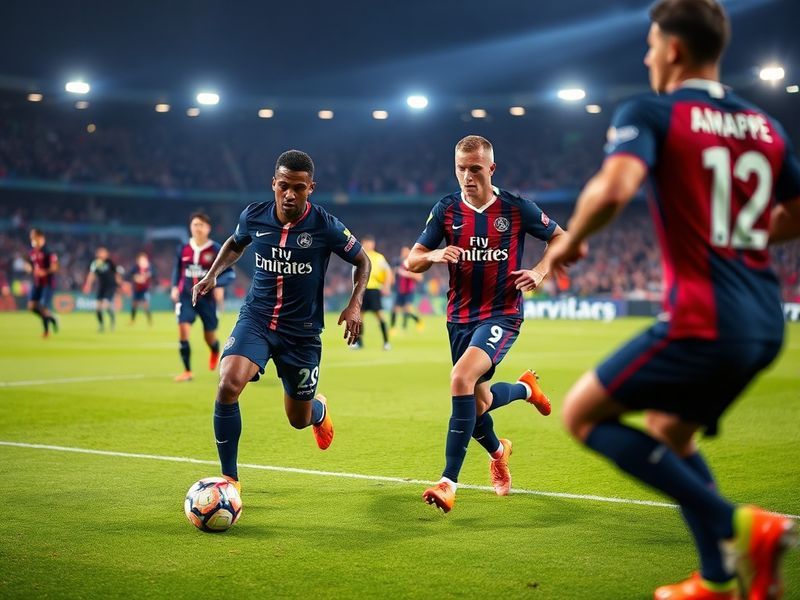
One of the most visible aspects of the France-Belgium relationship is found in sports, particularly football. Matches between the two national teams often draw significant attention and evoke strong emotions from fans. The 2018 FIFA World Cup semi-final, where France triumphed over Belgium, is a recent example of this rivalry.
Football matches not only serve as a platform for competition but also highlight national pride. The passion displayed by fans can be intense, with chants, flags, and national colors prominently featured in the stands. The following are key moments in the sports rivalry:
- 1986 World Cup: France defeated Belgium in the quarter-finals.
- 2002 Friendly: Belgium emerged victorious in a surprising upset.
- 2018 World Cup: France won 1-0, advancing to the final.
These encounters have fostered a sense of anticipation for future matches, where each side aims to assert dominance over the other.
Cultural Connections
Despite the competitive nature of their relationship, France and Belgium share deep cultural connections. Both nations are bilingual, with French being one of the official languages of Belgium. This linguistic connection facilitates cultural exchanges in literature, art, and cuisine.
Belgium is known for its rich culinary traditions, including waffles, chocolates, and beer, many of which have French influences. On the other hand, French cuisine has also embraced elements from Belgian cooking, creating a unique fusion that can be found in many restaurants across both countries. Events such as food festivals and art exhibitions regularly showcase this blend of cultures.
Notably, festivals like the Brussels Flower Carpet and the French Fête de la Musique highlight the shared appreciation for art and celebration. These cultural events act as a reminder of the bond that exists beyond competition.
Political Relations
The political landscape of France and Belgium further complicates their relationship. Both countries are members of the European Union, which encourages cooperation on various matters, including trade, security, and environmental policies. However, differences in political ideologies sometimes lead to friction.
For instance, France’s centralized government structure contrasts with Belgium’s federal system, where regional governments hold significant power. This difference can create misunderstandings and challenges in negotiations and policy-making within the EU framework.
Additionally, issues such as immigration, climate change, and economic policies often see both nations taking different stances, which can strain their diplomatic relations. However, both countries recognize the importance of collaboration in addressing transnational challenges.
Conclusion
The relationship between France and Belgium is multifaceted, characterized by both rivalry and partnership. From historical battles to sports competitions and cultural exchanges, these nations have forged a complex bond that continues to evolve. While competition in sports may fuel national pride, the shared history and cultural connections lay the groundwork for collaboration.
As both countries navigate the challenges of the modern world, their ability to work together while embracing their differences will be crucial. The future of France and Belgium’s relationship will likely be defined by a balance of competition and cooperation, reflecting the rich tapestry of their intertwined histories.