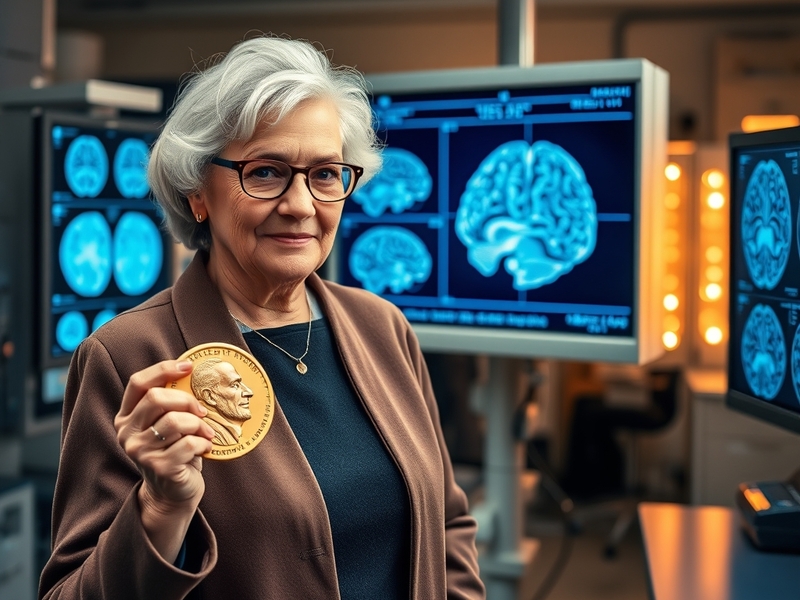
Nobel Prize in Neuroscience: A Gateway to Understanding the Brain
The Nobel Prize in Physiology or Medicine has long been a prestigious recognition of groundbreaking research, particularly in the field of neuroscience. As our understanding of the brain continues to evolve, several laureates have made significant contributions that have reshaped our perception of neural functions and brain disorders. This article explores notable winners, their discoveries, and the broader implications of their work.
Key Laureates and Their Contributions
Throughout its history, the Nobel Prize has honored numerous scientists whose research has illuminated the complexities of the brain. Here are some key laureates and their pivotal discoveries:
- Camillo Golgi and Santiago Ramón y Cajal (1906): Awarded for their pioneering work on the structure of the nervous system, utilizing the Golgi stain to visualize neurons.
- Barbara McClintock (1983): Recognized for her discovery of genetic transposition, which has implications for understanding neurological diseases.
- Eric Kandel (2000): Honored for his research on the cellular and molecular mechanisms of learning and memory.
- John O’Keefe, May-Britt Moser, and Edvard I. Moser (2014): Awarded for their discoveries of cells that constitute a positioning system in the brain, fundamental to understanding spatial memory.
The Broader Implications of Neuroscience Research
Neuroscience research recognized by the Nobel Prize extends beyond academic achievement. It has profound implications for medicine, psychology, and even ethics. Understanding brain function can lead to advancements in treating various neurological disorders such as Alzheimer’s, Parkinson’s, and schizophrenia.
For instance, Eric Kandel’s work has not only deepened our understanding of memory but also opened avenues for developing treatments for memory-related disorders. Similarly, the research conducted by O’Keefe and the Mosers has implications for developing therapies for spatial awareness issues, which can be pivotal in conditions like dementia.
Contextualizing Neuroscience in Today’s Society
In recent years, the intersection of neuroscience and technology has gained traction. With advancements in neuroimaging and neurostimulation techniques, researchers are better equipped to explore the brain’s intricacies. This technological evolution has led to new methodologies in both research and clinical applications.
Moreover, the ethical considerations surrounding neuroscience research are becoming increasingly significant. With the ability to manipulate brain functions through various interventions, society must grapple with the moral implications of such power. Discussions around consent, privacy, and the potential for misuse of neurological data are critical as we move forward.
Conclusion: The Future of Neuroscience and the Nobel Prize
The Nobel Prize continues to shine a light on the remarkable achievements in neuroscience. As we look to the future, the ongoing research and discoveries in this field promise to further unravel the complexities of the human brain. The implications of these findings will shape not only medical practices but also our understanding of what it means to be human.
The journey of neuroscience is far from over. With each Nobel Prize awarded, we take another step toward comprehending the enigmatic workings of our minds. As researchers push the boundaries of what we know, society must remain engaged in the conversation about the ethical and practical ramifications of these advancements.