Overview of the Judicial Review
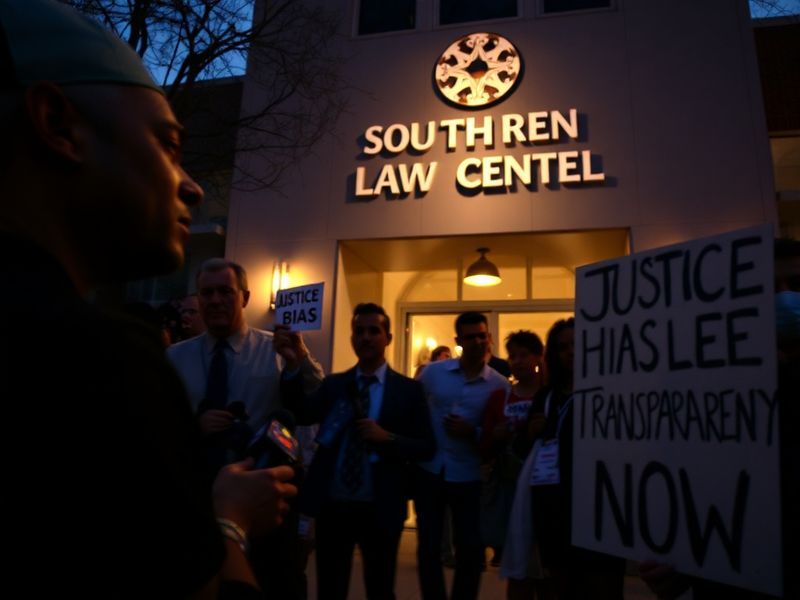
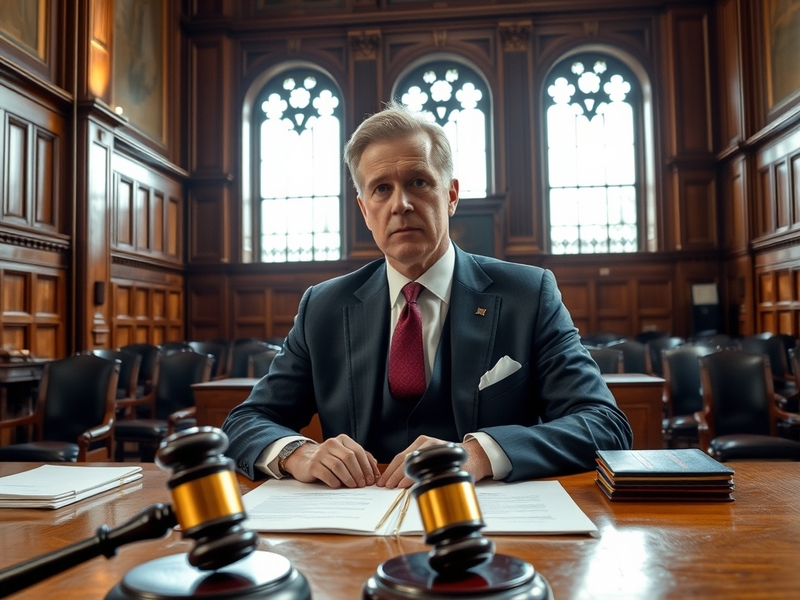
The recent judicial review involving Andrew Mountbatten-Windsor has brought attention to significant legal and constitutional questions surrounding the British royal family. This review is particularly notable as it highlights the intersection of royal privilege, public interest, and the legal rights of individuals. Judicial reviews serve as a critical mechanism for ensuring that decisions made by public authorities are lawful and that they adhere to established legal frameworks.
Background on Andrew Mountbatten-Windsor
Andrew Mountbatten-Windsor, the Duke of York, has been a figure of public interest for decades. His association with various controversies, including his ties to Jeffrey Epstein, has led to increased scrutiny of his actions and the implications for the royal family. As a member of the British monarchy, he enjoys certain privileges, but these privileges are not absolute and can be challenged in court.
The judicial review seeks to address whether the decisions made regarding Andrew’s status and responsibilities were made legally and fairly. This case has implications beyond the immediate circumstances, as it could set precedents for how members of the royal family interact with the law and the public.
Key Legal Issues at Stake
Several key legal issues are at the heart of this judicial review:
- Royal Immunity: To what extent do royal family members enjoy immunity from legal action?
- Public Interest: How does the public’s right to information and transparency weigh against the privacy rights of individuals?
- Accountability: What mechanisms are in place to hold royal family members accountable for their actions?
Each of these issues not only affects Andrew Mountbatten-Windsor but also has broader implications for the monarchy and its relationship with the public. The outcome of the judicial review could redefine the boundaries of royal privilege in the UK.
Global Perspectives on Monarchical Accountability
The scrutiny of royal figures is not unique to the United Kingdom. Many countries with monarchies face similar challenges. For instance, in Sweden and Spain, royal family members have also faced legal challenges that tested the limits of their privileges. These global examples illustrate that the question of monarchical accountability is a relevant and pressing issue across different cultural contexts.
Public sentiment towards royal families varies greatly around the world. In some nations, there is a strong sense of nostalgia for royal traditions, while in others, there is a push for transparency and accountability. This divergence can influence how judicial reviews and similar legal actions are perceived. For example:
- Sweden: The Swedish royal family has faced calls for greater transparency, with some members even stepping back from public duties to quell criticism.
- Spain: The former king, Juan Carlos I, faced legal issues that led to his abdication. This created a significant shift in public opinion regarding the monarchy.
- Thailand: The Thai royal family enjoys a high level of respect, but recent events have led to discussions about the need for accountability.
The case of Andrew Mountbatten-Windsor is emblematic of a broader trend in which traditional institutions are being challenged by modern legal frameworks and public expectations. As societies evolve, so too do the expectations placed on their leaders, including royal figures.
Conclusion
The judicial review involving Andrew Mountbatten-Windsor serves as a crucial test for the British monarchy and its relationship with the law. It raises important questions about royal privilege, accountability, and the rights of individuals in the face of public scrutiny. As the case unfolds, it will be essential to observe not only the legal outcomes but also the societal implications that may arise from this landmark event. The balance between tradition and modern accountability will likely remain a contentious topic, inviting further discussion and analysis in the future.