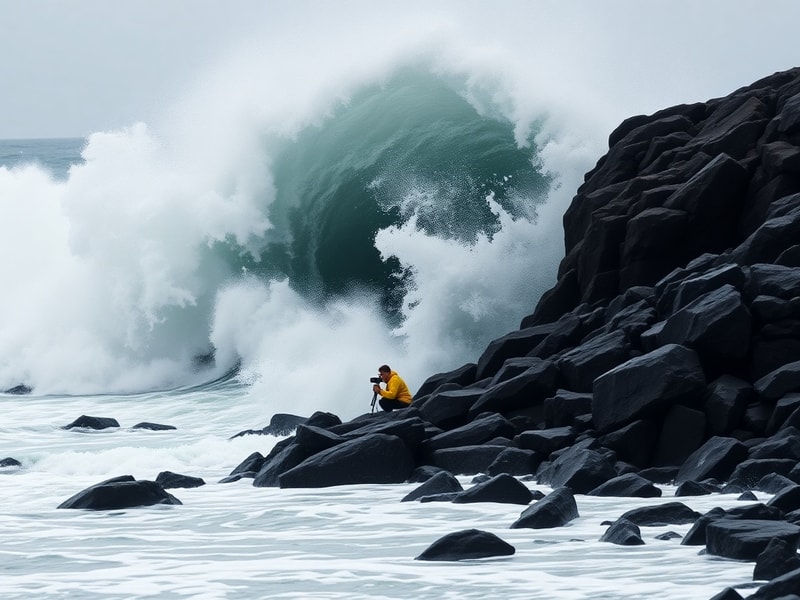
On a calm Pacific morning, the ocean appears deceptively gentle. Waves lap against the shore in a rhythmic cadence, lulling beachgoers into a false sense of security. Then, without warning, a sneaker wave rushes in, surging far beyond the usual tide line. These unpredictable surges are not just powerful—they’re deadly. In recent years, sneaker waves have claimed lives along the West Coast, from California to Washington, catching even experienced surfers and lifeguards off guard.
What Exactly Is a Sneaker Wave?
A sneaker wave, also known as a king wave or sneaker sets, is a coastal phenomenon where unusually large waves suddenly rush ashore, often traveling much farther than typical waves. Unlike tsunamis—which are triggered by seismic activity—sneaker waves are generated by distant storms. Their power comes from a combination of wind, swell period, and underwater topography. When these waves hit the shoreline, they don’t break gently. Instead, they surge forward with force, sweeping people off their feet and pulling them into the ocean.
What makes sneaker waves particularly dangerous is their unpredictability. They don’t always follow the expected pattern of high tide or storm conditions. Instead, they can occur on seemingly calm days, catching both locals and tourists off guard. The National Oceanic and Atmospheric Administration (NOAA) warns that sneaker waves are responsible for more coastal fatalities on the West Coast than any other weather-related hazard.
Why Do Sneaker Waves Keep Making Headlines?
The past decade has seen a noticeable increase in sneaker wave incidents, prompting scientists and emergency responders to take notice. In 2020, a sneaker wave in Oregon tragically killed a 14-year-old boy and injured two others. In 2023, a group of surfers in Northern California was caught off guard by a sudden surge, resulting in multiple rescues. These events are not isolated. They reflect a broader trend linked to climate change and shifting ocean conditions.
Researchers at Oregon State University have linked the rise in sneaker wave incidents to stronger and more frequent winter storms in the North Pacific. As ocean temperatures rise, storm systems intensify, generating swells that travel farther and with greater force. These swells interact with coastal features like underwater canyons and rocky outcroppings, amplifying their power when they reach the shore.
Another factor is the growing popularity of coastal tourism. More people than ever are visiting beaches, often underestimating the dangers of sneaker waves. Social media has played a role too, with viral videos of sneaker waves drawing attention—but also encouraging risky behavior. Some beachgoers deliberately wade into the water to film the waves, unaware of the life-threatening risks.
The Science Behind the Surge
Understanding sneaker waves requires a closer look at ocean dynamics. Unlike wind-driven waves that break and dissipate quickly, sneaker waves often travel in wave sets. These sets consist of multiple waves of varying size, with the largest one sometimes arriving without warning. The key to their unpredictability lies in their wavelength—the distance between wave crests—which can stretch for hundreds of feet. When a long-wavelength wave approaches shallow water, it slows down, but its energy compresses, causing it to surge forward with surprising force.
Underwater topography also plays a critical role. Off the coast of California, for example, the Monterey Canyon funnels wave energy toward the shore, increasing the likelihood of sneaker waves. Similarly, the rugged coastline of Oregon and Washington creates ideal conditions for these surges. Scientists use buoys and satellite data to monitor wave patterns, but predicting sneaker waves remains challenging due to their sudden nature.
NOAA’s JetStream Weather education site offers detailed explanations of wave behavior, including sneaker waves. For those interested in coastal safety, the site provides essential tips on recognizing hazardous conditions and responding appropriately.
How to Stay Safe When the Ocean Turns Deadly
Surviving a sneaker wave starts with awareness. The first rule is simple: never turn your back on the ocean. Many victims are caught off guard because they assume the water is calm. Instead, always face the waves and watch for subtle signs of an incoming surge, such as a sudden increase in wave height or a distant rumble.
Here are key safety tips to follow:
- Stay back from the water’s edge. Even on sunny days, maintain a safe distance—at least 30 feet from the waterline. If you’re on rocks or cliffs, be extra cautious, as sneaker waves can reach surprising heights.
- Never turn your back on the ocean. Always keep an eye on the waves, especially during changing tides or stormy conditions.
- Avoid filming or photographing sneaker waves. The urge to capture the moment can be deadly. Instead, prioritize your safety over social media likes.
- Check local conditions before heading to the beach. Websites like NOAA’s beach forecasts provide real-time updates on wave heights and hazards.
- If caught in a sneaker wave, don’t fight the current. Instead, swim parallel to the shore to escape the pull, then make your way back to land.
For families visiting the coast, education is critical. Children are particularly vulnerable, as they may not recognize the danger until it’s too late. Teaching kids about sneaker waves—and the importance of staying away from the water’s edge—can save lives.
The Broader Impact of Sneaker Waves
Beyond the immediate danger to beachgoers, sneaker waves have economic and environmental repercussions. Coastal communities rely on tourism, and high-profile accidents can deter visitors. In places like Cannon Beach, Oregon, and Big Sur, California, local businesses have reported drops in foot traffic after fatal incidents. The loss isn’t just financial—it’s cultural. These beaches are iconic, and their safety is intertwined with their identity.
Environmentally, sneaker waves contribute to coastal erosion. The sheer force of these surges can strip away sand dunes and weaken cliffs, accelerating land loss. In some areas, homeowners and local governments are investing in erosion control measures, but these solutions are often temporary. Climate change is expected to worsen the problem, as rising sea levels and stronger storms create ideal conditions for sneaker waves.
Emergency responders are also adapting. Lifeguard agencies along the West Coast are increasing patrols and installing warning signs in high-risk areas. Some communities have implemented tsunami-style sirens to alert beachgoers of approaching sneaker waves. While these measures help, they can’t replace personal responsibility. The ocean is unpredictable, and no amount of technology can eliminate the risk entirely.
Looking Ahead: Can We Predict the Unpredictable?
The future of sneaker wave safety hinges on better forecasting. Researchers are exploring new methods, including artificial intelligence and machine learning, to predict when and where sneaker waves might strike. By analyzing historical data and real-time ocean conditions, scientists hope to develop early warning systems that could save lives.
For now, the best defense remains education and vigilance. The ocean is not a theme park ride—it’s a powerful force that demands respect. Understanding sneaker waves isn’t just about avoiding danger; it’s about preserving the natural beauty of our coastlines for generations to come.
As more people flock to the beach each year, the need for awareness has never been greater. Whether you’re a surfer, a family on vacation, or a local resident, the message is clear: the ocean is unpredictable, but your safety doesn’t have to be.