The Complex Relationship Between Trump, Putin, and Diesel
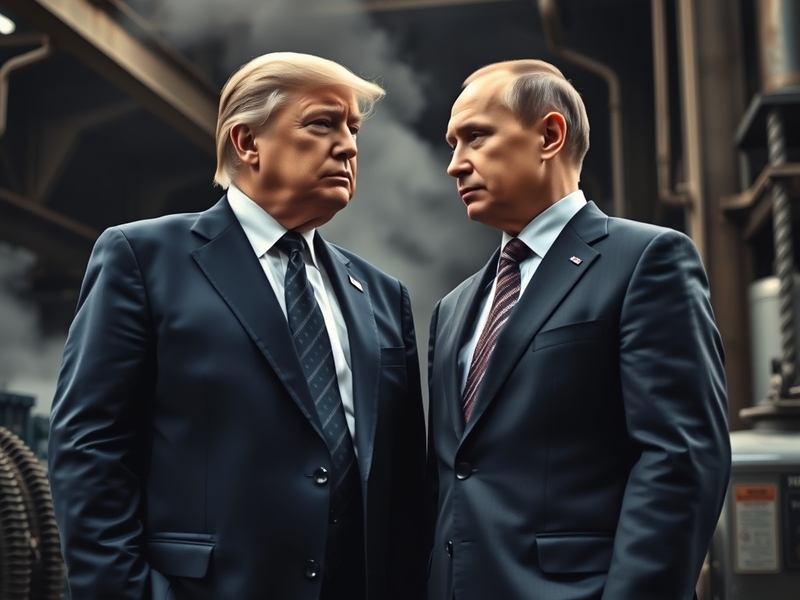
The interplay between political figures and global energy markets often creates a narrative that extends beyond simple economics. The relationship between former U.S. President Donald Trump and Russian President Vladimir Putin has consistently drawn attention, particularly regarding energy resources like diesel fuel. This dynamic not only highlights the political maneuverings of both leaders but also underscores the broader implications for global energy policies and international relations.
The Energy Context
Diesel fuel, a critical component of global energy supplies, plays a significant role in various sectors, from transportation to agriculture. Both the U.S. and Russia are major players in the diesel market, influencing prices and availability on a global scale. Under Trump’s administration, the focus on energy independence led to a push for increased domestic production. This initiative often put the U.S. at odds with Russian energy interests.
Trump’s policies favored deregulation and boosting fossil fuel production, which contrasted sharply with Putin’s longstanding strategy of leveraging energy exports to strengthen Russia’s geopolitical influence. The tension between these two approaches created a complex backdrop for their interactions.
Political Maneuvering and Energy Diplomacy
The relationship between Trump and Putin has often been characterized by a mix of admiration and skepticism. Trump’s overtures towards Putin, including praise for his leadership style, were frequently met with backlash from various political factions in the United States. Critics argued that such a stance could undermine U.S. interests, particularly in the energy sector.
As both leaders navigated their respective political landscapes, energy diplomacy became a crucial tool. Key moments in their relationship included:
- Oil and Gas Deals: Both nations explored energy deals that could potentially benefit their economies while affecting global markets.
- Sanctions and Responses: The U.S. imposed sanctions on Russia, impacting its energy sector, which Putin sought to counteract through strategic partnerships with other nations.
- Climate Policy Divergence: Trump’s withdrawal from the Paris Agreement contrasted sharply with Putin’s positioning of Russia as a responsible energy producer.
Global Implications
The interactions between Trump and Putin regarding diesel and energy policies have far-reaching consequences. Countries that depend heavily on diesel fuel are directly affected by the policies and agreements forged between these two leaders. The volatility of energy prices can lead to economic instability in nations reliant on imports, creating a ripple effect across global markets.
Moreover, the energy strategies of both leaders reflect broader geopolitical tensions. For instance, Russia’s efforts to expand its influence through energy exports challenge U.S. positions in regions like Eastern Europe and the Middle East. This competition raises concerns about energy security and the potential for conflict.
As the world moves towards more sustainable energy solutions, the legacy of Trump and Putin’s relationship will likely continue to impact global energy dynamics. The ongoing reliance on diesel—despite the push for greener alternatives—remains a critical aspect of international economic discussions.
Conclusion
The relationship between Trump and Putin is emblematic of the intricate ties between politics and energy resources. Diesel fuel serves as a focal point in understanding how these two leaders approached their national interests and shaped global energy policies. As nations grapple with the transition to sustainable energy, the implications of their interactions will echo in the corridors of power for years to come.
For further insights into energy policies and their impact on global relations, visit our Politics and Business sections.