Shane Gillis’ SNL Monologue: A Controversial Debut
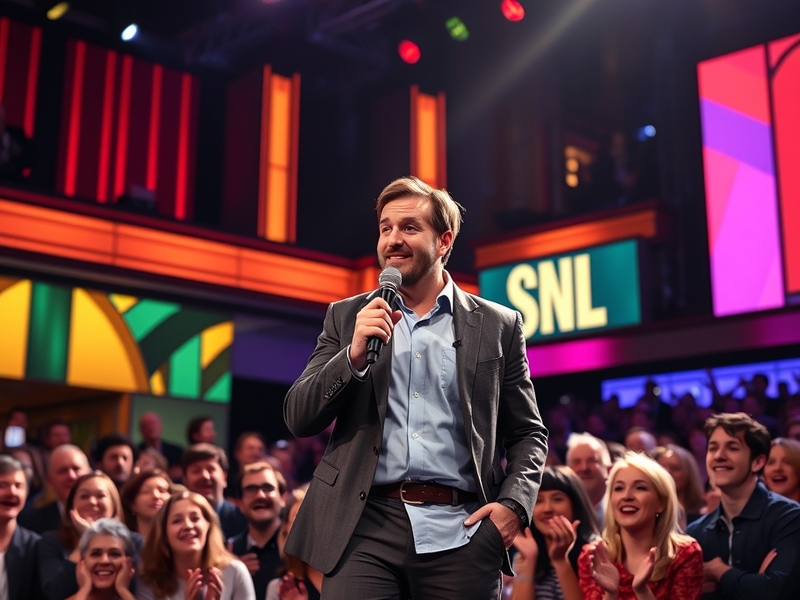
Shane Gillis made headlines with his recent monologue on Saturday Night Live (SNL), a performance that has sparked conversations across various platforms. As a comedian known for his edgy humor, Gillis’ debut was highly anticipated, but it also came with its share of controversy. The monologue touched on sensitive topics, showcasing his unique comedic style while simultaneously raising eyebrows among audiences and critics alike.
Context of the Monologue
Gillis was initially announced as a cast member for SNL in 2019 but faced backlash due to past comments that many found offensive. This led to his dismissal before he even appeared on the show. However, his eventual return as a guest host was seen as a chance for redemption. In his monologue, Gillis addressed his previous controversies head-on, weaving them into his comedic narrative.
The setting of the monologue was crucial. SNL has a long-standing tradition of addressing current events and societal issues through humor, often pushing boundaries. Gillis’ approach was no different, as he utilized self-deprecating humor to navigate his complicated relationship with the audience.
Key Themes in the Monologue
Several key themes emerged from Gillis’ performance that are worth noting:
- Self-Reflection: Gillis opened up about his past mistakes, using humor to reflect on how he has evolved as a person and comedian.
- Political Commentary: The monologue included pointed observations about contemporary political issues, showcasing his ability to blend humor with critique.
- Audience Engagement: He skillfully interacted with the audience, creating a sense of camaraderie while addressing divisive topics.
- Risk and Reward: Gillis pushed boundaries, demonstrating the fine line comedians walk when tackling sensitive subjects.
Broader Implications of Gillis’ Performance
The implications of Gillis’ SNL monologue extend beyond the realm of comedy. His performance reignites discussions about the role of humor in society, particularly regarding offensive jokes and the boundaries of free speech. In an era where comedians are often scrutinized for their material, Gillis’ approach raises important questions about accountability and artistic expression.
Furthermore, his monologue serves as a reflection of the current cultural climate. Many comedians are grappling with the challenge of addressing social issues while maintaining their comedic integrity. Gillis’ willingness to confront his past suggests a potential shift in how comedians can approach controversial topics—by owning their mistakes and evolving their material.
Conclusion: A Complex Legacy
Shane Gillis’ SNL monologue is more than just a comedic performance; it is a cultural commentary on the complexities of humor in today’s society. While some may view his jokes as offensive, others may appreciate his candidness and ability to laugh at himself. As discussions about the role of comedy continue, Gillis’ performance will likely remain a focal point for both supporters and critics alike.
In the end, the monologue serves as a reminder that comedy is a powerful tool for reflection and dialogue. Whether one agrees with Gillis’ style or not, it undeniably contributes to the ongoing conversation about the boundaries of humor in our society.