The Drumcree Conflict: A Historical Overview
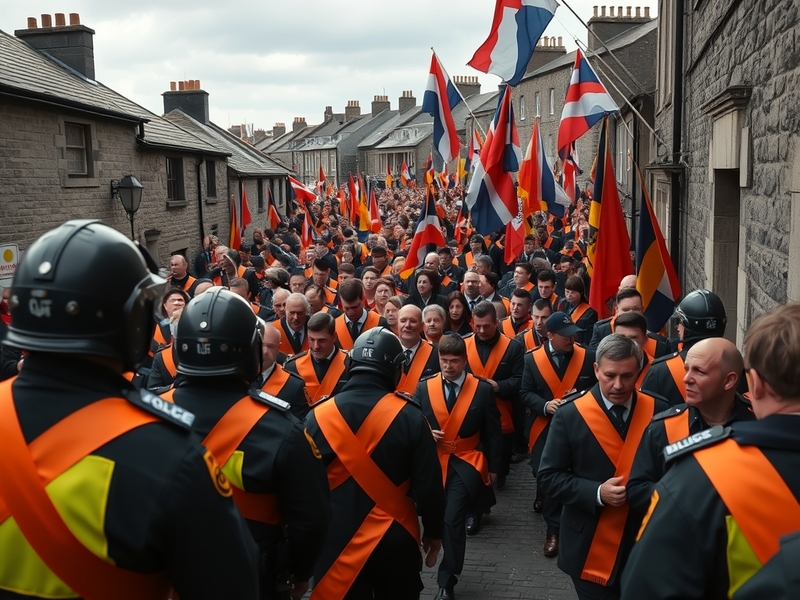
The Drumcree conflict, rooted in the deep-seated sectarian divisions of Northern Ireland, has been a focal point of tension between the Protestant and Catholic communities. This dispute primarily centers around the annual Orange Order parades, which commemorate the Protestant victory at the Battle of the Boyne in 1690. The parades often pass through predominantly Catholic neighborhoods, leading to significant unrest.
Background of the Conflict
The Orange Order, a Protestant fraternal organization, has a long history in Northern Ireland, dating back to the late 18th century. The Drumcree church, located in Portadown, has become synonymous with the conflict due to the annual parades that take place there. While the parades are seen as a celebration of Protestant heritage by their participants, many Catholics view them as provocative displays of dominance.
This clash of perspectives has resulted in numerous confrontations over the years. The conflict has not only been a local issue but has drawn international attention, highlighting the broader sectarian strife that has characterized Northern Ireland’s history.
Key Events and Escalation
Since the 1990s, the Drumcree conflict has seen several significant escalations. The tensions often peak during the summer months, particularly around July 12, when the Orange Order parades are most prominent. Some key events include:
- 1995-1996 Standoff: The first major confrontation occurred when police blocked the parade from passing through a Catholic area, leading to riots and widespread unrest.
- 2002 Riots: A particularly violent episode occurred when the parade was met with protests, leading to clashes that resulted in injuries and arrests.
- Peace Process Impact: The Good Friday Agreement in 1998 aimed to address such conflicts, yet tensions remain high, with Drumcree often serving as a flashpoint.
Cultural Significance and Global Perspective
The Drumcree conflict extends beyond local grievances; it reflects broader themes of identity, nationalism, and historical memory. The annual parades embody a celebration of cultural heritage for many, yet they simultaneously serve as a reminder of division and historical wounds for others. This duality has implications not only for Northern Ireland but also for other regions with similar sectarian or ethnic conflicts worldwide.
From a global perspective, the Drumcree conflict can be compared to other identity-based disputes, such as:
- The Israeli-Palestinian conflict, where historical narratives shape contemporary tensions.
- The Kurdish struggle for autonomy in Turkey and Iraq, highlighting issues of national identity.
- The ongoing ethnic tensions in the Balkans, which reflect the complexities of post-war reconciliation.
These comparisons reveal that the Drumcree conflict is part of a larger pattern of how communities navigate their identities against a backdrop of historical grievances and contemporary politics.
Conclusion: Path Forward
While the Drumcree conflict has been a persistent issue, there are avenues for progress. Dialogue and community engagement are essential in addressing the underlying issues of identity and mutual respect. Efforts to promote understanding between the Protestant and Catholic communities could pave the way for a more peaceful coexistence. As Northern Ireland continues to evolve, the lessons learned from the Drumcree conflict may serve as a valuable guide for resolving similar tensions globally.