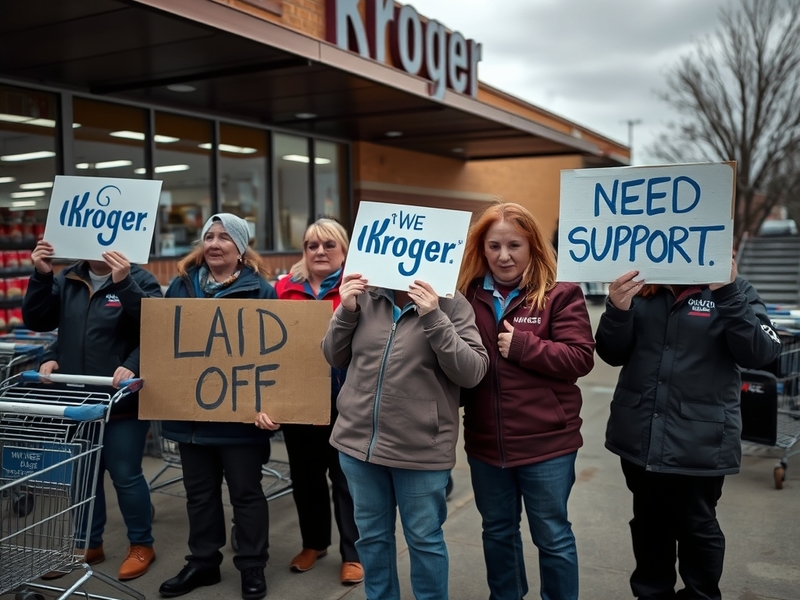
Kroger Layoffs: An Overview
Kroger, one of the largest supermarket chains in the United States, recently announced a series of layoffs that have sent ripples through the industry. As the retail landscape continues to evolve, companies like Kroger face mounting pressures from various fronts, including competition, economic conditions, and shifts in consumer behavior. The layoffs reflect not only the company’s response to current challenges but also a strategic move towards optimizing operations.
The Reasons Behind the Layoffs
The decision to downsize often stems from a combination of factors. In Kroger’s case, several key reasons have been identified:
- Increased Competition: With the rise of e-commerce and discount retailers, traditional grocery chains are struggling to maintain market share.
- Changing Consumer Habits: Customers are increasingly opting for online shopping and delivery services, leading to a decline in foot traffic in physical stores.
- Inflation and Economic Pressures: Rising costs have forced retailers to reevaluate their workforce needs in an effort to cut expenses.
- Technological Advancements: Automation and technology are replacing some traditional roles, making certain positions redundant.
Impact on Employees and the Community
The layoffs, which reportedly affect several hundred employees across various locations, have raised concerns about job security within the retail sector. Many of those impacted are long-time employees who have dedicated years to the company. The emotional and financial toll on these individuals and their families cannot be understated.
Moreover, the layoffs extend beyond the immediate workforce. Local communities that rely on Kroger for employment and economic stability may feel the effects as well. The loss of jobs can lead to decreased spending in the community, affecting local businesses and services.
Strategic Moves and Future Outlook
In light of these layoffs, Kroger is also making strategic adjustments to its business model. The company is investing in technology and infrastructure to enhance its online shopping capabilities and streamline operations. By focusing on efficiency, Kroger aims to position itself better against competitors.
Looking ahead, the future of Kroger will depend on several factors:
- Adaptation to Market Trends: Kroger must continue to innovate and adapt to the changing retail environment.
- Consumer Loyalty: Retaining existing customers while attracting new ones will be crucial for the company’s growth.
- Employee Morale: Maintaining a motivated and engaged workforce in the wake of layoffs is essential for operational success.
In conclusion, the recent layoffs at Kroger reflect broader trends in the retail industry. As the company navigates these turbulent waters, it will be essential to balance operational efficiency with the needs of employees and the community. The outcome of these changes will not only shape Kroger’s future but also influence the retail landscape as a whole.