Incident Overview
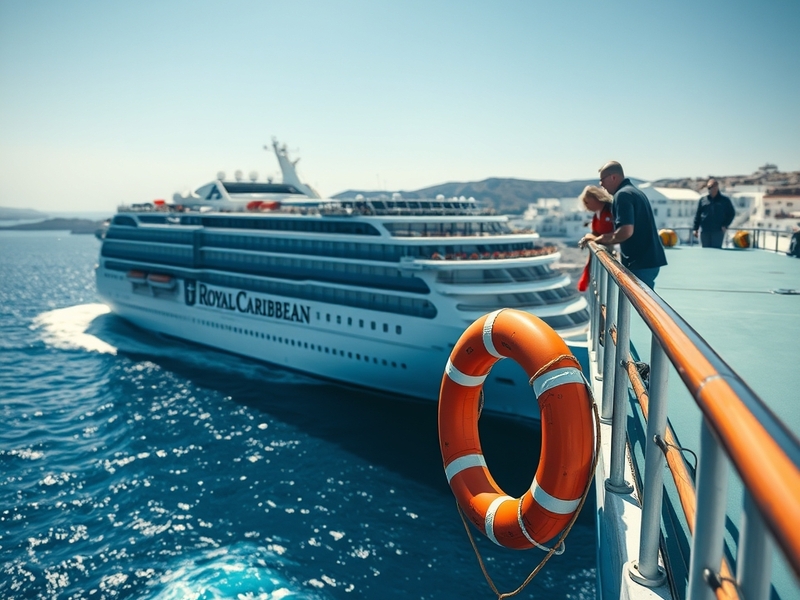
Recently, a tragic incident occurred aboard a Royal Caribbean cruise ship in Greece, as a passenger was reported overboard. This incident not only raises safety concerns for cruise lines but also highlights the need for stringent measures to protect passengers at sea. The cruise industry, while providing leisure and relaxation, carries inherent risks that must be addressed.
Details of the Incident
The passenger reportedly fell from the ship while it was docked. Witnesses described a chaotic scene as crew members and other passengers attempted to locate the individual. The ship’s crew initiated emergency protocols, including notifying local authorities and coordinating search efforts in the surrounding waters.
Search and rescue operations involved multiple vessels and aircraft, showcasing the urgency and seriousness of the situation. Unfortunately, despite these efforts, the individual was not found, leading to heightened concerns regarding passenger safety on cruise ships.
Safety Protocols and Measures
The cruise industry has implemented various safety protocols over the years, including:
- Regular safety drills for passengers and crew.
- Installation of safety barriers and railings on ships.
- Training for crew members in emergency response and rescue operations.
- Real-time monitoring of passengers in critical areas.
Despite these measures, incidents like this one raise questions about the effectiveness of current safety standards. As cruise lines continue to grow in popularity, the need for improved safety protocols becomes increasingly important.
Broader Implications for the Cruise Industry
This incident is not an isolated case. Various cruise lines have faced scrutiny over passenger safety in recent years. Reports of accidents, illnesses, and even disappearances have plagued the industry, prompting calls for enhanced oversight and regulation.
In light of this incident, cruise companies may need to reevaluate their safety measures. This could lead to:
- Stricter regulations from maritime authorities.
- Increased investment in safety technology, such as surveillance systems.
- Enhanced training for crew members on passenger management and emergency protocols.
Ultimately, the cruise industry must prioritize passenger safety to maintain consumer trust and ensure a positive experience for travelers.
Conclusion
The tragic overboard incident involving a Royal Caribbean passenger in Greece serves as a sobering reminder of the risks associated with cruise travel. While the industry provides a unique vacation experience, it must also confront the realities of ensuring passenger safety at sea. Continuous improvement in safety protocols and a commitment to passenger well-being are essential for the industry’s future. As this situation unfolds, it will be crucial for cruise lines to learn from these incidents and implement necessary changes to safeguard their guests.