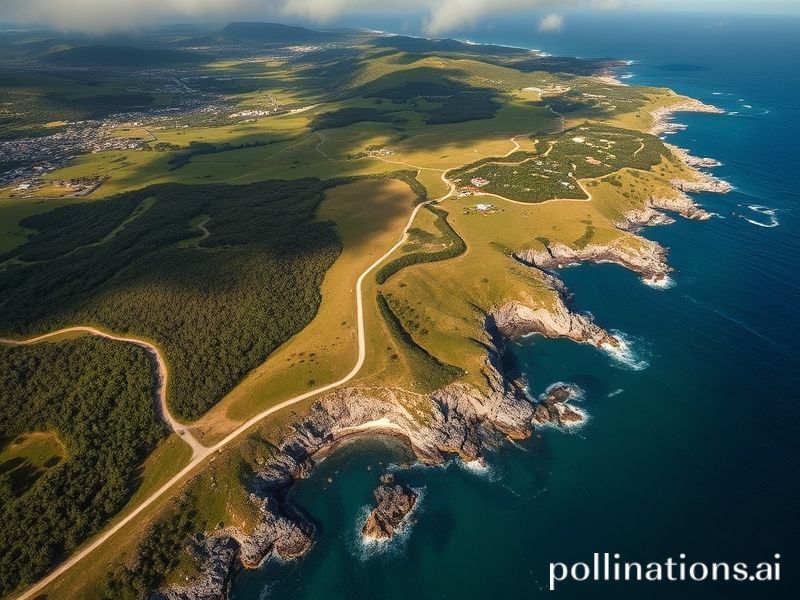
Exploring Nikumaroro: A Mysterious Atoll in the Pacific
Nikumaroro, a small atoll in the Phoenix Islands of Kiribati, has captivated historians, adventurers, and researchers alike. Known primarily for its connection to the disappearance of Amelia Earhart, this remote spot in the Pacific Ocean is shrouded in mystery and intrigue. The atoll’s unique geography and history make it a focal point for both scientific study and popular speculation.
The Geography and Biodiversity of Nikumaroro
Nikumaroro is characterized by its stunning coral reefs, sandy beaches, and lush vegetation. The atoll measures about 4.5 kilometers long and 1.5 kilometers wide, offering a small but diverse ecosystem. The surrounding waters are rich in marine life, making it an ideal location for studying coral reef systems and their responses to climate change.
Key features of Nikumaroro include:
- Coral reefs that support a variety of marine species
- Unique terrestrial flora, including coconut palms and pandanus trees
- Bird populations, such as frigatebirds and terns, that nest on the island
This biodiversity not only provides ecological insights but also enhances the atoll’s appeal as a travel destination for eco-tourists and researchers. The combination of its natural beauty and rich marine life makes Nikumaroro a hidden gem in the Pacific.
The Earhart Connection: Mystery and Research
Perhaps the most famous aspect of Nikumaroro is its association with Amelia Earhart, the pioneering aviator who vanished during her attempt to circumnavigate the globe in 1937. Numerous theories have emerged regarding her fate, with many suggesting that she and her navigator, Fred Noonan, landed on Nikumaroro after running out of fuel.
In the years following Earhart’s disappearance, various expeditions have sought to uncover evidence of her presence on the island. Some of the key findings include:
- Bone fragments discovered in the 1940s that were later analyzed and suggested to be of European descent.
- Artifacts such as a woman’s shoe and a compact found on the island, which some believe could belong to Earhart.
- Reports of local fishermen who claimed to have seen a plane crash in the vicinity during the time of her disappearance.
While definitive proof remains elusive, these discoveries continue to fuel interest in Nikumaroro and the search for answers about Earhart’s fate. The ongoing research not only aims to solve this historical mystery but also contributes to broader discussions about aviation safety and the challenges of early 20th-century air travel.
Current Research and Conservation Efforts
Today, Nikumaroro is not only a site of historical intrigue but also a focal point for conservation efforts. The atoll is part of the Phoenix Islands Protected Area (PIPA), one of the largest marine protected areas in the world. This designation aims to preserve the unique ecosystems of the atoll and its surrounding waters.
Researchers are actively studying the impacts of climate change on coral reefs and other marine life in the area. The data collected from Nikumaroro contributes to global efforts in understanding how oceanic ecosystems can adapt to changing conditions. Additionally, conservation initiatives focus on:
- Protecting endangered species and their habitats
- Restoring damaged coral reefs through active rehabilitation projects
- Educating local communities about sustainable practices
These efforts are crucial not only for preserving the natural beauty of Nikumaroro but also for ensuring that future generations can appreciate and learn from this unique environment.
Conclusion: The Allure of Nikumaroro
Nikumaroro remains a captivating subject for exploration, research, and conservation. Its rich history, particularly the connection to Amelia Earhart, draws visitors and scholars from around the globe. The atoll’s diverse ecosystems serve as a reminder of the importance of preserving our natural world while unraveling the mysteries of the past. As research continues, Nikumaroro will likely reveal more of its secrets, solidifying its place in both history and environmental science.