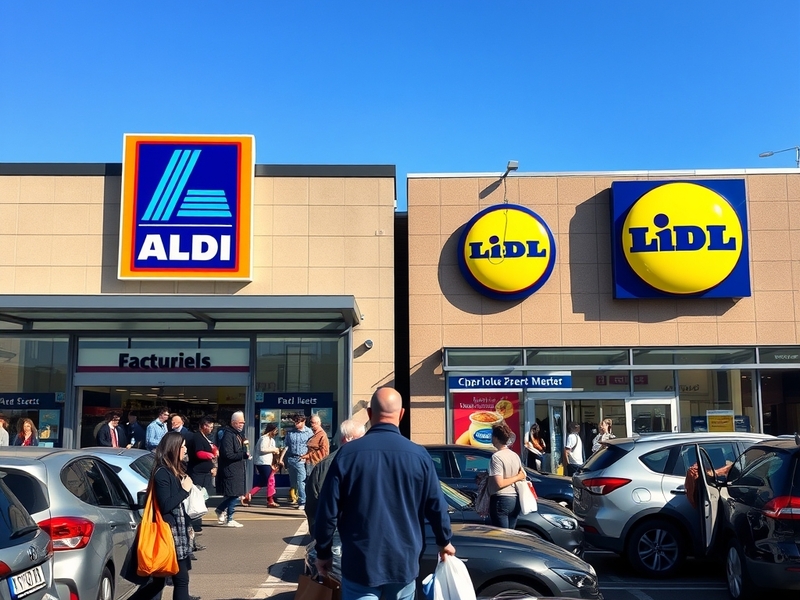
Aldi and Lidl: A New Era of Retail Competition
Aldi and Lidl have emerged as significant players in the global grocery market, particularly in the UK and Europe. Their aggressive expansion strategies have prompted scrutiny from regulatory bodies, notably the Competition and Markets Authority (CMA) in the UK. Understanding the implications of these land agreements and the rules set forth by the CMA is crucial for both consumers and competitors alike.
The Role of the CMA in Retail Expansion
The Competition and Markets Authority is tasked with ensuring fair competition and preventing monopolistic practices within markets. As Aldi and Lidl continue to grow, their land agreements come under the microscope to assess potential impacts on market competition. The CMA’s role is essential in maintaining a level playing field, particularly in the grocery sector where competition can lead to better prices and services for consumers.
- Market Analysis: The CMA conducts thorough market analyses to evaluate the effects of mergers and acquisitions.
- Public Consultation: Stakeholders, including consumers, are often invited to provide feedback during investigations.
- Regulatory Decisions: The CMA has the authority to block agreements that could harm competition.
Aldi and Lidl’s Growth Strategies
Aldi and Lidl have both adopted unique strategies that have contributed to their rapid growth. Their focus on cost-effective operations allows them to offer lower prices, attracting a broad customer base. This approach includes:
- Limited Product Range: By offering fewer products, they streamline operations and reduce costs.
- Private Label Products: A significant portion of their offerings consists of private label goods, which are often cheaper than branded items.
- Efficient Supply Chains: Both retailers have invested heavily in their logistics and supply chain management to minimize costs.
These strategies not only enhance their competitive edge but also challenge traditional supermarkets to rethink their pricing and product offerings. The result is a dynamic market where consumers benefit from lower prices and greater choice.
The Cultural Impact of Discount Retailers
The rise of Aldi and Lidl reflects broader cultural shifts in consumer behavior. As economic pressures mount, many shoppers are prioritizing value over brand loyalty. This change is evident in various regions, where discount retailers are reshaping the grocery landscape.
In many European countries, Aldi and Lidl have successfully positioned themselves as affordable alternatives to larger chains. This has led to a cultural acceptance of discount shopping, where consumers no longer associate low prices with low quality. Instead, they have come to recognize that these retailers can offer both affordability and quality.
As Aldi and Lidl continue to expand, they not only influence shopping habits but also impact local economies and employment. Their growth may lead to the closure of smaller, independent retailers, which raises concerns about community cohesion and diversity in the marketplace.
Conclusion
The agreements between Aldi and Lidl and the scrutiny from the CMA highlight the complexities of retail competition. As these discount giants expand, they must navigate regulatory frameworks designed to ensure fair competition. The implications of their growth extend beyond market dynamics; they reflect changing consumer behaviors and cultural shifts in shopping habits. Understanding these trends is essential as the grocery market continues to evolve.
For more insights into the latest trends in retail and consumer behavior, visit our Business section. Stay informed and engaged with the evolving landscape of retail.