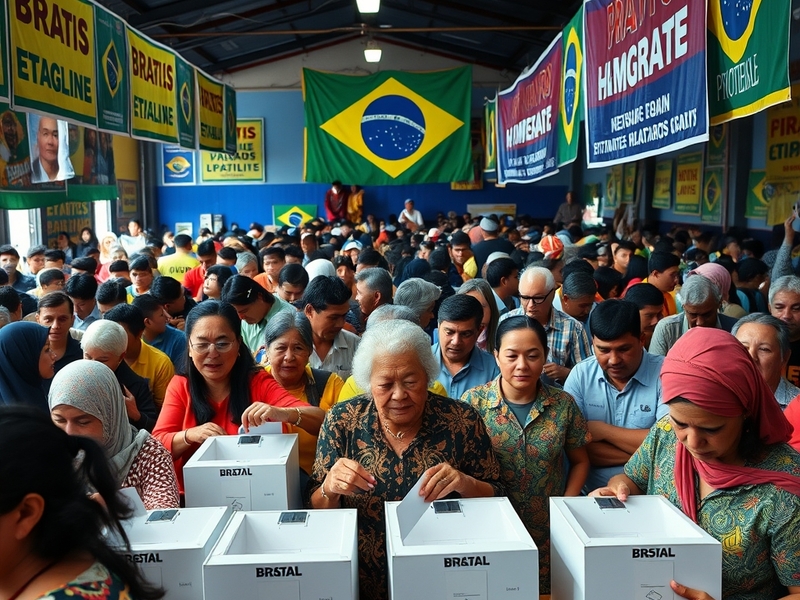
The Brazilian Election: A Pivotal Moment in Democracy
The Brazilian election has emerged as a critical event in the nation’s political landscape, drawing attention from across the globe. With a history of political turmoil and vibrant democracy, Brazil’s electoral process is a testament to the resilience of its citizens. This year’s election not only reflects the political inclinations of the Brazilian populace but also has broader implications for the region and beyond.
The Political Context
Brazil, the largest country in South America, has faced significant challenges in recent years. Economic instability, social inequality, and political corruption have marred its reputation and governance. The election process, which occurs every four years, serves as a platform for citizens to express their hopes and frustrations. The stakes are high this year, as candidates grapple with pressing issues such as environmental policies, economic recovery, and social justice.
This election cycle has seen a surge in political engagement, particularly among younger voters. Many are driven by a desire for change, seeking candidates who prioritize sustainability and equitable growth. The candidates have tailored their campaigns to address these concerns, highlighting their positions on various issues:
- Environmental Policies: Candidates are focusing on protecting the Amazon rainforest and promoting sustainable practices.
- Economic Recovery: With the pandemic’s impact still felt, there is a strong emphasis on job creation and economic reforms.
- Social Justice: Issues of inequality and human rights are at the forefront, with calls for policies that protect marginalized communities.
Key Candidates and Their Platforms
The election features several prominent candidates, each representing a different facet of Brazilian society and political thought. Understanding their platforms is crucial for grasping the election’s potential outcomes. Here’s a brief overview of the main contenders:
- Candidate A: Advocates for aggressive environmental policies and has a strong backing from eco-conscious voters.
- Candidate B: Focuses on economic revitalization and job creation, appealing to those affected by unemployment.
- Candidate C: A champion of social justice, aiming to address systemic inequalities and promote inclusive policies.
These candidates not only reflect diverse ideologies but also the dynamic nature of Brazil’s electorate. The interactions and debates among them have sparked conversations that extend beyond the election, influencing public opinion and political discourse.
Broader Implications for Brazil and Beyond
The outcome of the Brazilian election could have far-reaching implications, not just for Brazil, but for Latin America as a whole. A shift in leadership may signal changes in foreign relations, particularly regarding trade agreements and environmental policies. Brazil’s role as a leader in regional politics is significant; thus, its electoral outcomes can influence neighboring countries and their governance strategies.
Moreover, Brazil’s approach to issues like climate change is under scrutiny. The Amazon rainforest, often referred to as the “lungs of the Earth,” plays a critical role in global ecology. The election results will likely affect international partnerships and commitments to climate initiatives. Observers around the world are keenly watching how the newly elected officials will navigate these complex challenges.
Conclusion
The Brazilian election is not merely a local affair; it serves as a reflection of broader societal trends and challenges. As citizens cast their votes, they are making statements about their hopes for the future. The world watches closely, as Brazil’s decisions will resonate beyond its borders and may set precedents for democratic practices in the region. In this critical moment, the power of the ballot is evident, offering a glimpse into the potential for change and progress.
For more insights on political trends and analysis, visit our Politics and News categories.