This City is Ours: A Reflection on Urban Identity
The phrase “this city is ours” evokes a sense of ownership and belonging among its residents. Cities are not merely geographical locations; they are vibrant ecosystems filled with unique cultures, histories, and stories. The emotional connection that individuals have with their urban environments can significantly impact community engagement and civic pride. As we delve into the implications of this sentiment, it becomes clear that it shapes not only individual identities but also collective experiences.
The Role of Community in Urban Spaces
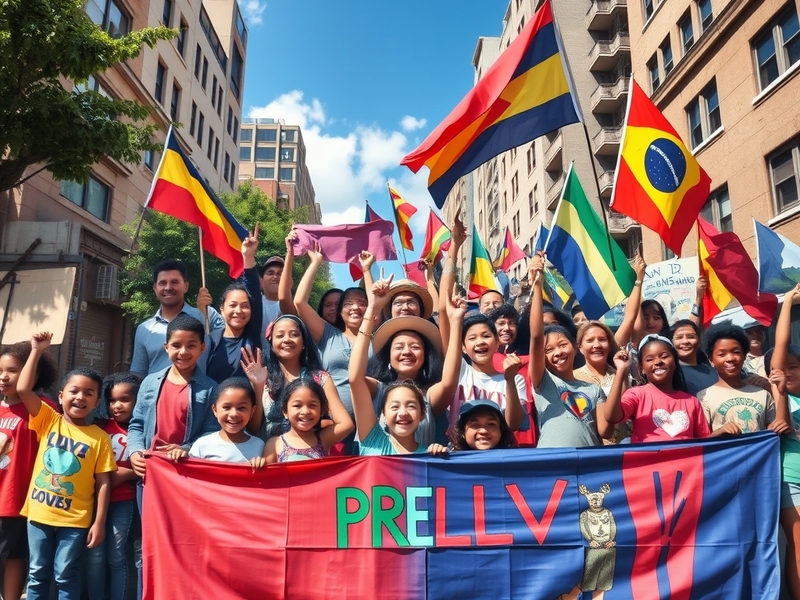
Community plays a pivotal role in defining what a city represents. When residents actively participate in local events, public meetings, and grassroots movements, they contribute to a shared sense of ownership. This involvement fosters a stronger bond among residents and enhances the overall livability of the city.
Key aspects of community engagement include:
- Local Events: Festivals, fairs, and markets that bring people together.
- Public Spaces: Parks and plazas where residents can gather and interact.
- Volunteerism: Opportunities for individuals to contribute to neighborhood improvement.
- Advocacy: Participation in local governance and decision-making processes.
When residents feel a sense of agency in their surroundings, they are more likely to advocate for policies that benefit the community, such as improved public transportation or increased green spaces.
Urban Challenges and Collective Solutions
Despite the positive aspects of urban identity, cities face numerous challenges including homelessness, crime, and environmental concerns. These issues require collaborative efforts from both local governments and residents to find sustainable solutions. The idea that “this city is ours” encourages individuals to take responsibility for their environment and work together to address these pressing matters.
For instance, community-led initiatives have been instrumental in tackling urban decay. Neighborhood clean-up campaigns and local safety patrols are examples of how residents can directly impact their surroundings. Additionally, advocacy for affordable housing and mental health resources illustrates the power of collective action.
The Broader Implications of Urban Ownership
The sentiment of ownership extends beyond individual cities and reflects broader societal values. When residents embrace their city as “theirs,” it can lead to a more engaged citizenry that prioritizes social equity and environmental sustainability. This shift in mindset can have far-reaching implications, influencing everything from local policy to global conversations about urban sustainability.
As cities continue to evolve, the concept of urban ownership becomes increasingly relevant. It challenges residents to think critically about their roles within the larger context of society. The implications of this ownership are profound:
- Enhanced Civic Engagement: A sense of belonging leads to higher participation in local governance.
- Greater Social Cohesion: Shared ownership fosters connections among diverse groups.
- Increased Local Investment: Residents are more likely to support local businesses and initiatives.
- Improved Quality of Life: Engaged citizens advocate for better services and infrastructure.
Ultimately, when residents embrace the idea that “this city is ours,” they not only enrich their own lives but also contribute to the development of a more vibrant and resilient urban environment.
For further insights on community engagement and urban development, check out our articles on Culture and News.
Conclusion
The phrase “this city is ours” encapsulates a powerful sentiment that can lead to transformative change within urban environments. By fostering a sense of ownership among residents, cities can become more inclusive, sustainable, and vibrant. It is imperative for individuals to recognize their role in shaping their communities and to engage actively in the processes that define their urban experiences. As cities continue to grow and evolve, the collective ownership of these spaces will be vital in creating a better future for all residents.