Black Friday 2026: Anticipations and Trends
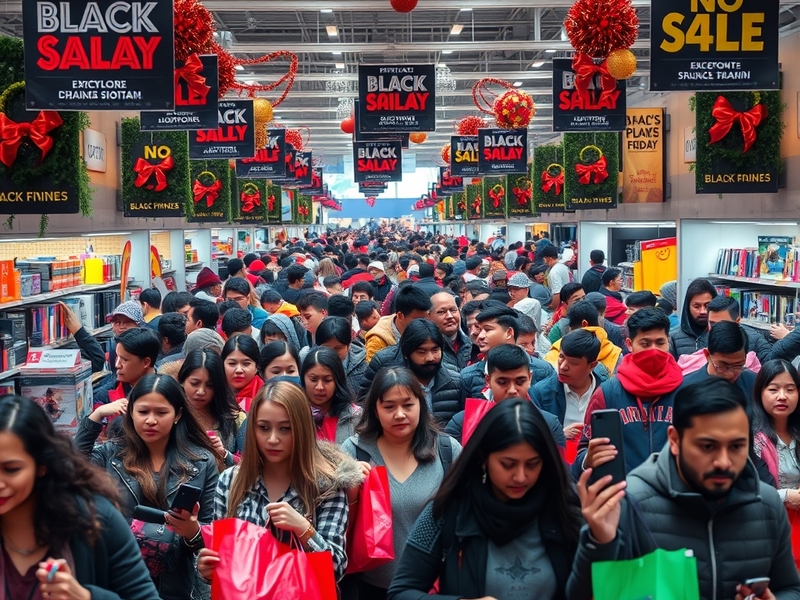
As we approach Black Friday 2026, consumers and retailers alike are gearing up for what promises to be another significant retail event. Traditionally held the day after Thanksgiving in the United States, Black Friday has evolved from a one-day shopping spree into a month-long extravaganza. This shift has implications not only for consumer behavior but also for the retail industry as a whole.
Key Trends to Watch
This year, several trends are expected to dominate the Black Friday landscape. Retailers are focusing on both online and in-store experiences, aiming to cater to a diverse range of shopping preferences. Here are some key points to consider:
- Increased Online Shopping: E-commerce continues to rise, with more consumers opting for online deals over in-store shopping.
- Sustainability Focus: Brands are increasingly prioritizing eco-friendly products and practices, appealing to environmentally conscious consumers.
- Personalized Marketing: Retailers are leveraging data analytics to create tailored shopping experiences for their customers.
- Experiential Retail: Physical stores are enhancing the shopping experience with events, demonstrations, and exclusive in-store offers.
The Impact of Technology
Technology plays a crucial role in shaping Black Friday strategies. From advanced inventory management systems to augmented reality (AR) applications, retailers are using innovative tools to enhance customer engagement. For instance, AR allows customers to visualize products in their own space before purchasing, which can lead to increased sales and reduced returns.
Moreover, mobile shopping continues to dominate. With more consumers using smartphones for their shopping needs, retailers are optimizing their websites and apps for mobile devices. This shift underscores the importance of a seamless and user-friendly online experience, as customers expect to browse, compare, and purchase products with ease.
Broader Implications for Retail
The significance of Black Friday extends beyond immediate sales figures. It serves as a barometer for consumer confidence and economic health. A successful Black Friday can signal a robust economy, while disappointing sales may indicate underlying issues. As such, retailers are not only focused on maximizing sales but also on understanding consumer sentiment.
Additionally, the competition among retailers intensifies as they vie for consumer attention. This competition can lead to aggressive pricing strategies, which may affect profit margins. However, it also fosters innovation, pushing brands to differentiate themselves through unique offerings and exceptional customer service.
For consumers, the implications are clear: Black Friday provides opportunities for significant savings but also encourages a culture of consumption that can have long-term effects on spending habits. As shoppers prepare for the event, they should consider their purchases carefully, balancing the allure of discounts with the need for thoughtful consumption.
Preparing for Black Friday 2026
As the date approaches, consumers can take several steps to ensure a successful shopping experience:
- Research Deals: Start early by researching the best deals and creating a wishlist of desired items.
- Set a Budget: Establish a budget to avoid overspending during the frenzy of sales.
- Sign Up for Alerts: Subscribe to newsletters or follow favorite retailers on social media for exclusive offers and early access.
- Plan Shopping Routes: For in-store shopping, plan routes to maximize efficiency and minimize time spent in lines.
With careful planning and awareness of trends, consumers can navigate Black Friday 2026 effectively, ensuring they make the most of the opportunities available.
In conclusion, Black Friday 2026 is shaping up to be a pivotal event in the retail calendar. The convergence of technology, changing consumer behavior, and economic implications will define this year’s shopping experience. By staying informed and prepared, shoppers can enjoy both savings and a satisfying retail experience.